The massive teratorns were once thought to be scavengers, but they were likely active hunters.
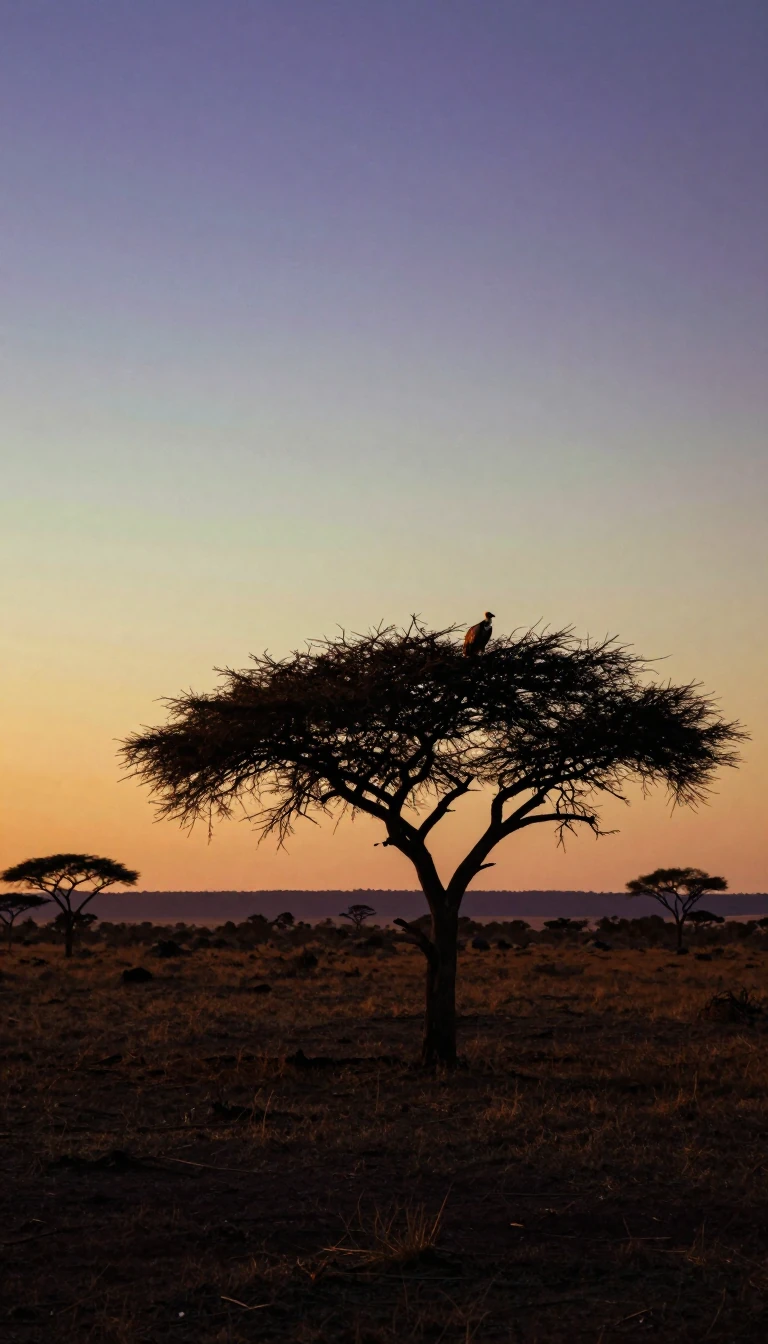
In short: Teratorns were some of the largest flying birds to ever exist, with wingspans reaching up to eight metres. While long compared to modern vultures, their anatomy suggests they were not merely passive scavengers, but agile predators that stalked prey on the ground before taking to the sky.
The Teratornithidae family, which includes seven identified species across six genera, dominated the skies of the Americas from the Late Oligocene until the Late Pleistocene. Originating in South America, these birds eventually migrated north. The most well-studied member, Teratornis merriami, is known from over a hundred specimens found in the La Brea Tar Pits, standing about 75 centimetres tall with a wingspan of up to 3.8 metres.
While traditionally compared to New World vultures due to their size and scavenging habits, teratorns possessed distinct anatomical differences. Their long beaks and wide gapes resemble those of active predators like eagles, and their leg and pelvis structures suggest they were capable of stalking prey on the ground, similar to modern caracaras. However, some skull features, such as sideward-facing orbits and long bills, remain consistent with a scavenging lifestyle, leading to ongoing debate about their primary feeding methods.
Despite their immense size, there is little doubt these birds could fly. Argentavis magnificens, one of the largest known flying birds, likely relied on steady winds to get airborne, much like modern albatrosses. With a wingspan estimated between 6 and 8 metres and a weight of around 80 kilograms, Argentavis would have required significant time to reach maturity, potentially up to 12 years. These birds were not just massive; they were highly specialized creatures that pushed the known limits of avian flight.
Opens the Intellect+ feed with this card first. Swipe up for the next one.
Sources
- Summary by Intellect · source: Teratornithidae
To cite this card, link to https://intellectplus.co.uk/app/nature-teratornithidae.
How we source, check and correct cards: Editorial standards.
General information, not professional advice. Spotted an error? Flag the card or see corrections and complaints.
Intellect Plus is a visual educational discovery platform for exploring fascinating facts and ideas. Brain Food, Not Brain Rot. What is Intellect Plus?
Related
More in Vertebrates · More in Nature · Latest · A–Z · All topics
