Beyond the beach: how the Philippines leverages its mega-biodiverse landscape for global tourism
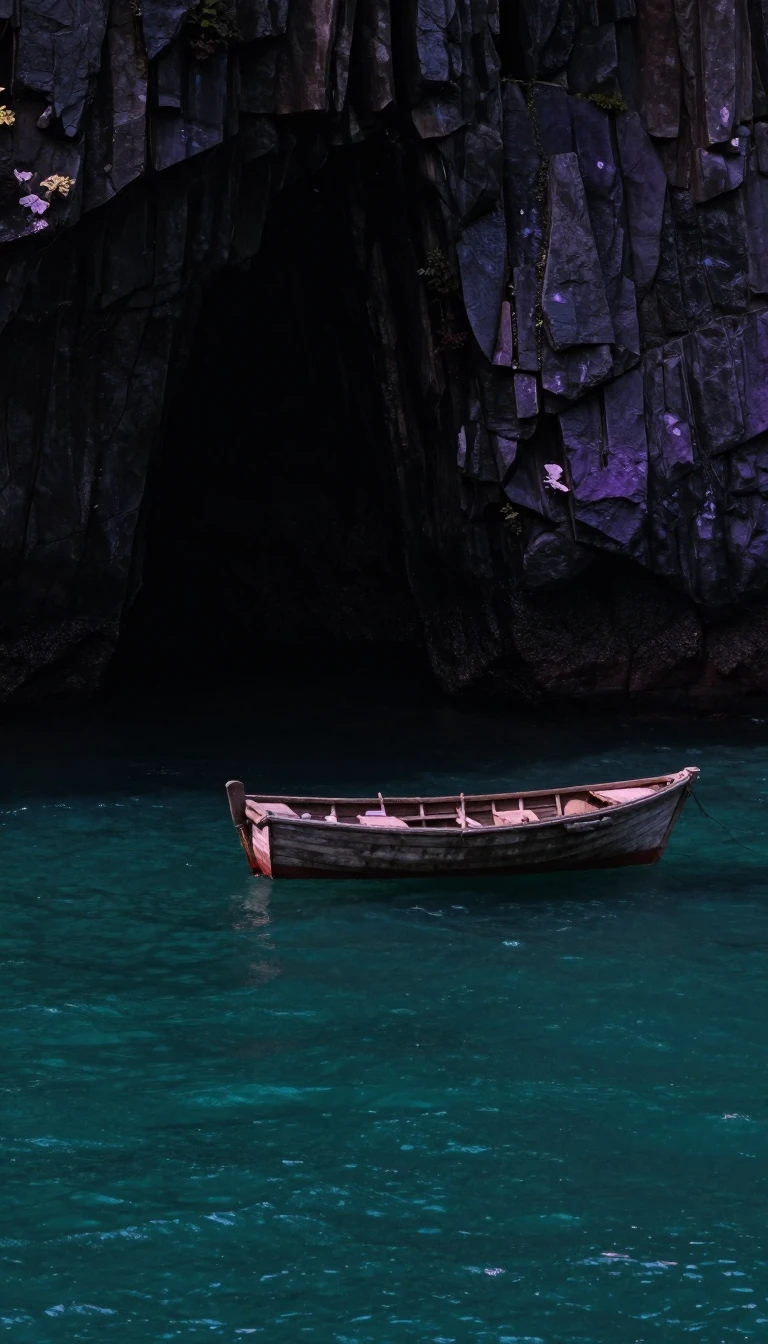
In short: With over 7,000 islands, the Philippines is a global hotspot for ecotourism and wildlife observation. From whale sharks in Donsol to the subterranean rivers of Palawan, the nation transforms its immense natural wealth into a sustainable economic engine, funding conservation efforts while inviting the world to explore its unique ecosystems.
The Philippines is recognized as one of the world's 17 mega-biodiverse countries, a status that drives a significant portion of its tourism sector. Coastal activities, particularly beach and diving tourism, account for 25% of the industry's total revenue. Beyond the coastline, the archipelago hosts diverse habitats ranging from rainforests to mangrove forests, supporting a high concentration of endemic species. Iconic animals such as the Philippine eagle, the Tamaraw, and the Philippine tarsier serve as major draws for wildlife enthusiasts, while marine megafauna like whale sharks and thresher sharks attract visitors to specific sites like Donsol and Malapascua.
Ecotourism in the Philippines is frequently structured to provide direct benefits to local communities and support conservation. Organizations like the Department of Environment and Natural Resources manage these initiatives, ensuring that tourism revenue contributes to the protection of vulnerable species. Scientific interest also plays a role in this landscape; researchers from across the globe visit biodiversity corridors like the Verde Island Passage and the Tubbataha Reefs to study the country's complex flora and fauna. These efforts are supported by a network of protected areas, including 14 ASEAN Heritage Parks and various wildlife sanctuaries.
The industry's development is guided by the National Tourism Development Plan, which emphasizes sustainability and inclusive growth. Despite challenges—including the impact of the COVID-19 pandemic, which saw arrivals drop to 1.48 million in 2020, and the destruction caused by Super Typhoon Odette in 2021—the government has invested heavily in infrastructure. Between 2016 and 2021, ₱120 billion was allocated to improve roads leading to tourist destinations. These initiatives aim to balance the influx of foreign visitors, who numbered over 8.26 million in 2019, with the preservation of the natural and cultural heritage that defines the country's appeal.
Opens the Intellect+ feed with this card first. Swipe up for the next one.
Sources
- Summary by Intellect · source: Tourism in the Philippines
To cite this card, link to https://intellectplus.co.uk/app/nature-tourism-in-the-philippines.
How we source, check and correct cards: Editorial standards.
General information, not professional advice. Spotted an error? Flag the card or see corrections and complaints.
Intellect Plus is a visual educational discovery platform for exploring fascinating facts and ideas. Brain Food, Not Brain Rot. What is Intellect Plus?
Related
More in Air · More in Nature · Latest · A–Z · All topics
