Where three worlds collide: the delicate geometry of tectonic triple junctions
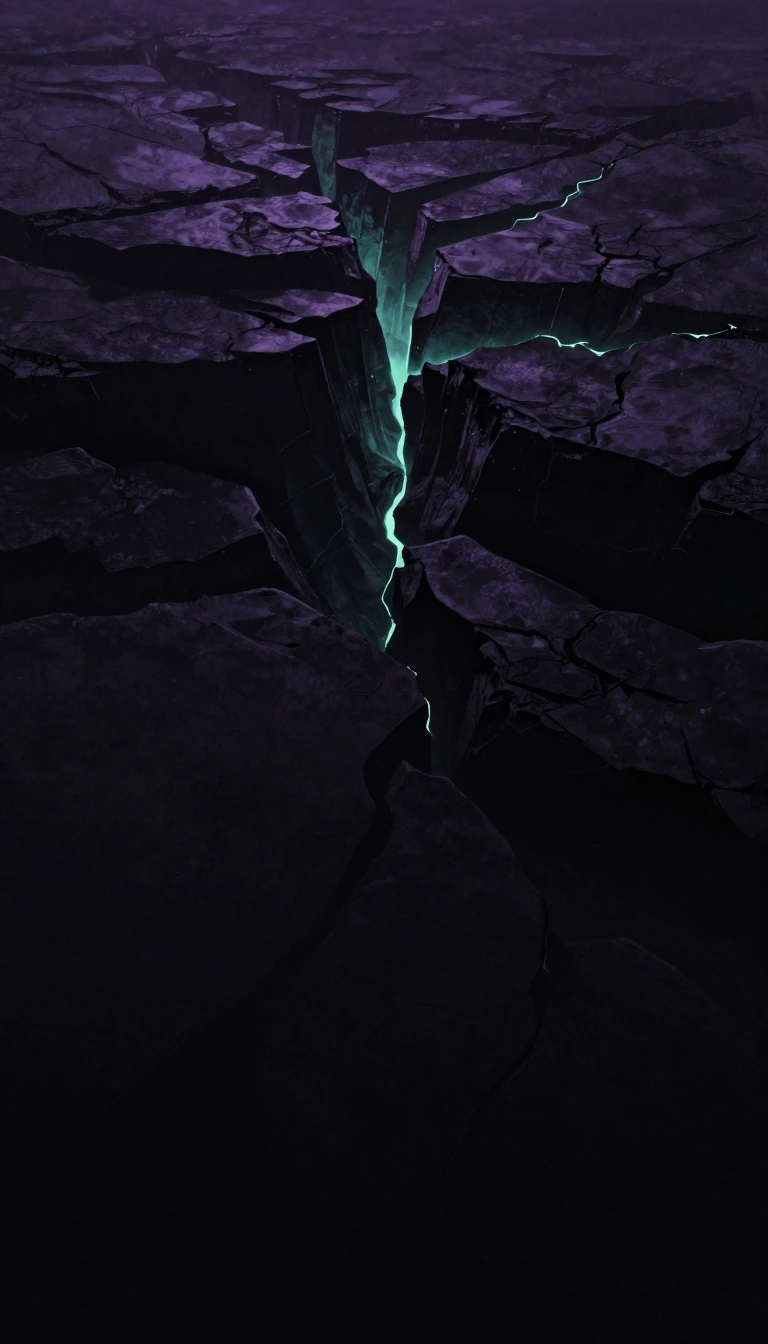
In short: Deep beneath the ocean and high above the sea, the Earth's crust meets at singular, high-stakes intersections. These triple junctions are the meeting points of three tectonic plates, and their stability dictates whether continents split apart or oceans swallow the land.
A triple junction is a point where three plate boundaries meet, categorized by whether they are ridges (R), trenches (<0xE2><0x80><0x8A>T), or transform faults (F). While sixteen theoretical types exist, only a few are stable over geological time. A stable junction maintains its geometric configuration even as the plates move. In contrast, unstable junctions—such as the F-F-F type, where three faults meet—cannot persist because they lack the necessary geometric constraints to remain intact.
The fundamental mechanics of these junctions were first detailed in 1969 by Dan McKenzie and W. Jason Morgan. They demonstrated that the stability of these points can be assessed using kinematics, treating plates as rigid bodies moving over a sphere. By applying Euler's theorem of motion, researchers can determine if a junction's geometry will remain unchanged. For example, an R-R-R junction is inherently stable because the perpendicular bisectors of the velocity vectors will always intersect at a single point.
These junctions drive massive geological transformations. The breakup of continents often begins with three divergent boundaries radiating from a central point. In the South Atlantic, the opening of the ocean began near the Gulf of Guinea, leaving behind the Benue Trough as a 'failed' arm of the junction. Other notable examples include the Afar triple junction—the only R-R-R junction above sea level—and the Azores junction, where the North American, Eurasian, and African plates meet.
Opens the Intellect+ feed with this card first. Swipe up for the next one.
Sources
- Summary by Intellect · source: Triple junction
To cite this card, link to https://intellectplus.co.uk/app/nature-triple-junction.
How we source, check and correct cards: Editorial standards.
General information, not professional advice. Spotted an error? Flag the card or see corrections and complaints.
Intellect Plus is a visual educational discovery platform for exploring fascinating facts and ideas. Brain Food, Not Brain Rot. What is Intellect Plus?
Related
More in Geology · More in Nature · Latest · A–Z · All topics
