Why meteorologists stopped naming hurricanes after ships and started using human names
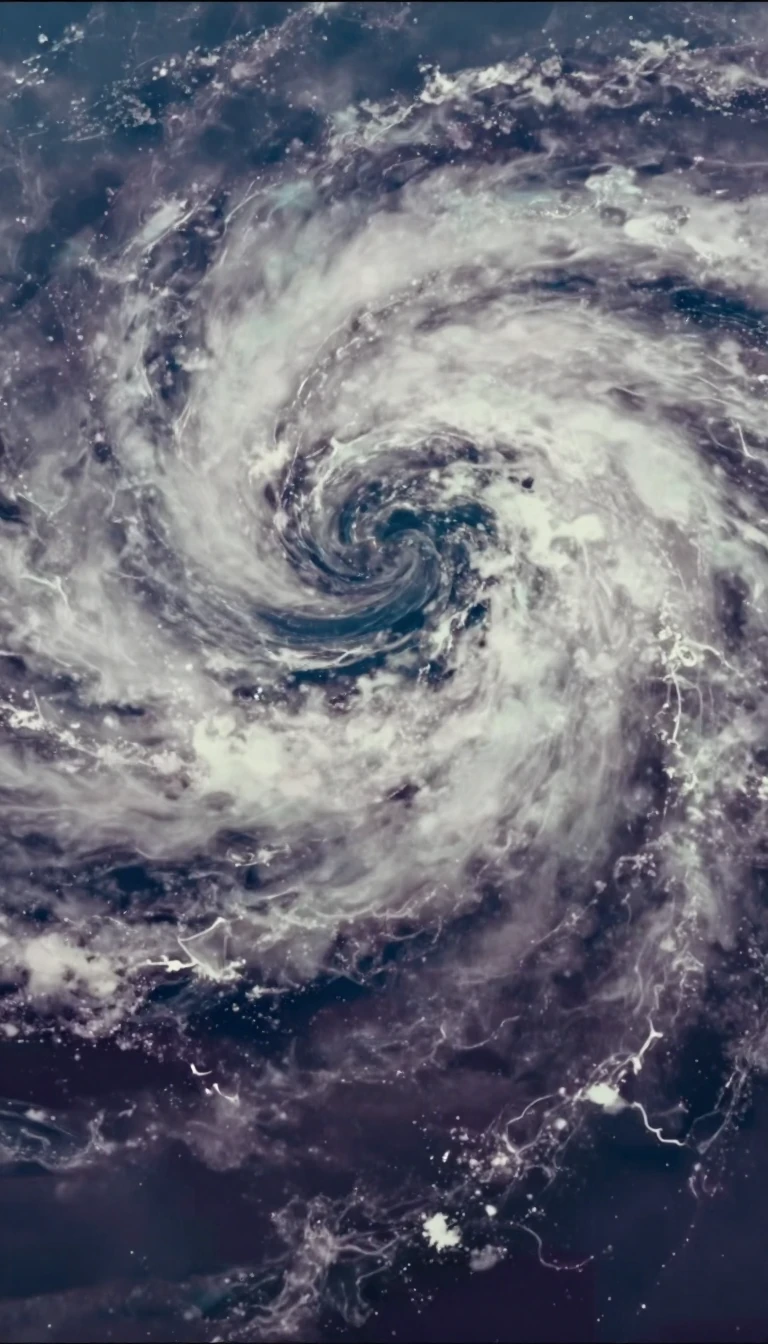
In short: Naming tropical cyclones is not just a bureaucratic formality; it is a vital tool for public safety. By replacing cumbersome latitude-longitude coordinates with short, memorable names, meteorologists have significantly improved communication, reduced errors, and heightened community preparedness during the chaotic, high-stakes environment of a developing natural disaster.
Before the mid-20th century, storm identification was largely haphazard. Early systems were often named after the objects they damaged, such as the infamous 'Antje's hurricane,' which earned its title after tearing the mast off a boat named Antje. As meteorology matured, experts briefly shifted to using technical latitude-longitude coordinates. However, this method proved prone to error and difficult to communicate quickly between ships, coastal bases, and widely scattered weather stations.
The transition to human names began in the mid-1900s, initially utilizing only female names. By 1953, the National Hurricane Center began formalizing these lists for the Atlantic. The system evolved further in 1979 when male names were introduced, alternating with female names to create a more balanced and organized rotation. Today, the World Meteorological Organization maintains these lists across five regional bodies, ensuring that names are familiar to the local population and easy to pronounce.
The naming process is strictly regional, with lists often rotating on a six-year cycle. For example, the 2019 Atlantic list is scheduled to return in 2025. While these names are designed to be memorable, they are never chosen to honor specific individuals. Instead, the primary goal is to facilitate disaster risk awareness and management. If a storm becomes particularly deadly or costly, its name is permanently retired to avoid future insensitivity, replaced by a new selection at annual committee meetings. Notable retired names include Katrina (2005), Sandy (2012), and Haiyan (2013).
This system is not universal; while many regions use alphabetical lists, others organize names based on the alphabetical order of participating countries. Regardless of the specific regional rules, the core objective remains consistent: to provide a clear, unambiguous identifier that helps the public, media, and emergency agencies track storms and respond effectively when multiple systems are active simultaneously.
Opens the Intellect+ feed with this card first. Swipe up for the next one.
Sources
- Summary by Intellect · source: Tropical Cyclone Naming
- Also: Tropical cyclone naming
- Also: Tropical cyclone naming
To cite this card, link to https://intellectplus.co.uk/app/nature-tropical-cyclone-naming.
How we source, check and correct cards: Editorial standards.
General information, not professional advice. Spotted an error? Flag the card or see corrections and complaints.
Intellect Plus is a visual educational discovery platform for exploring fascinating facts and ideas. Brain Food, Not Brain Rot. What is Intellect Plus?
Related
More in Earth science · More in Nature · Latest · A–Z · All topics
