Why meteorologists name winter storms and how they decide which ones make the list
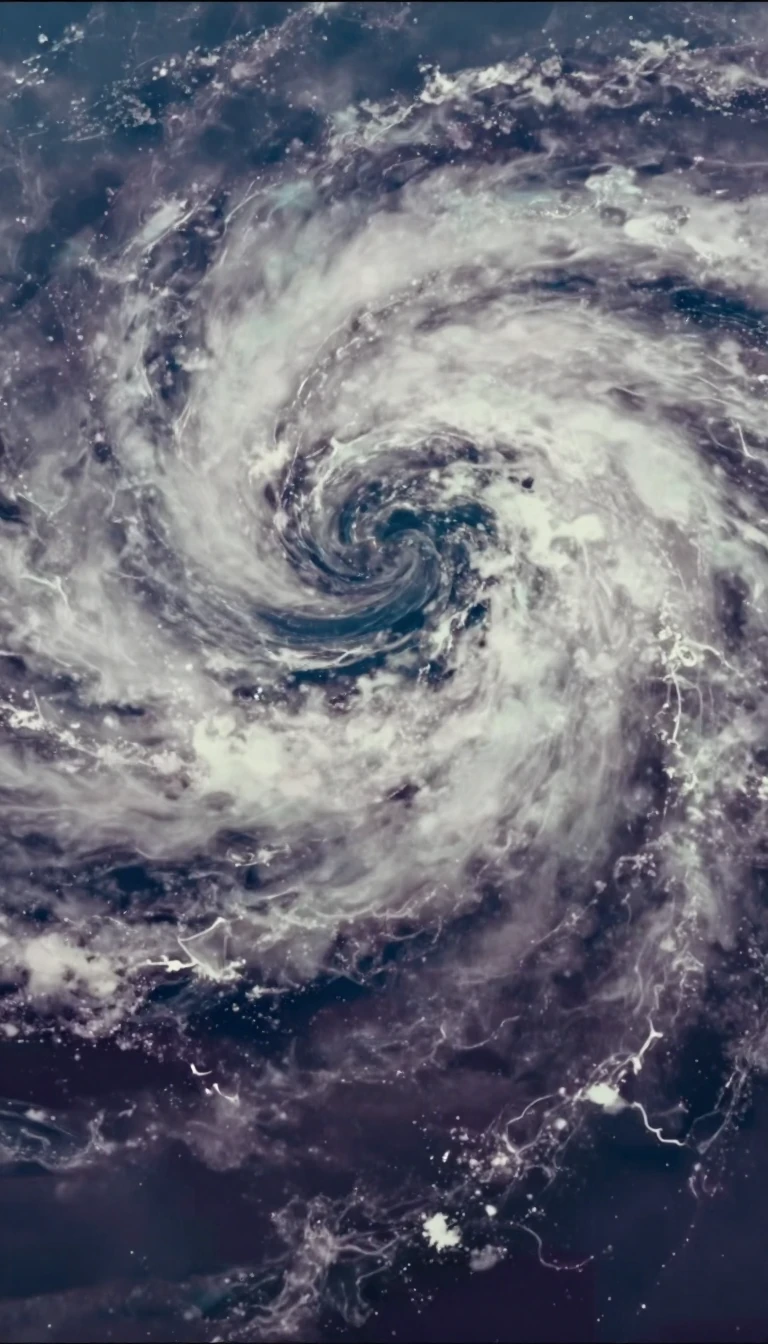
In short: Naming storms provides a consistent, authoritative message that helps the public stay safe during severe weather. While we often associate these systems with wind, they are frequently named for the combined impacts of rain and snow. Discover the criteria behind these designations and why some letters are excluded entirely.
In the UK, Ireland, and the Netherlands, the western storm naming group designates storms that threaten to cause significant disruption. A storm is officially named when it reaches the threshold for an amber or red warning, a decision based on the potential impact of the weather and the likelihood of those impacts occurring. While wind is the primary driver, the system also accounts for the dangers posed by heavy rain and snow, which can trigger flooding or other hazards.
The naming process is collaborative, involving the Met Office, Met Éireann, and the Dutch national weather service, KNMI. Each September, a new list is released to cover the upcoming year. To maintain consistency with North Atlantic conventions used by the US National Hurricane Centre, names starting with Q, U, X, Y, and Z are omitted. Names are chosen to reflect the diversity of the participating nations, though they are never selected based on popularity or brand affiliation.
When a storm arrives, the naming system ensures clear communication across media and government agencies. If a tropical system crosses the Atlantic, it retains its original name, such as 'ex-hurricane Ophelia,' but may be designated as a named storm if it meets local criteria for impact. Despite public concern, current data shows no clear trend in the frequency or intensity of windstorms, as these events naturally fluctuate significantly from year to year and decade to decade.
Winter storms themselves are complex meteorological events where wind coincides with freezing precipitation. They form through 'lift,' where moist air rises into the atmosphere, often pushed by mountains or hills. When temperatures remain below freezing, this moisture falls as snow, ice, or sleet. These systems can be local or span entire continents, with severe impacts ranging from traffic immobilization and roof collapses to hazardous whiteout conditions caused by blowing snow.
Opens the Intellect+ feed with this card first. Swipe up for the next one.
Sources
- Summary by Intellect · source: UK Storm Centre
- Also: Winter storm
To cite this card, link to https://intellectplus.co.uk/app/nature-winter-storm.
How we source, check and correct cards: Editorial standards.
General information, not professional advice. Spotted an error? Flag the card or see corrections and complaints.
Intellect Plus is a visual educational discovery platform for exploring fascinating facts and ideas. Brain Food, Not Brain Rot. What is Intellect Plus?
Related
More in Air · More in Nature · Latest · A–Z · All topics
