How a single tropical cyclone forced the retirement of two different storm names globally.
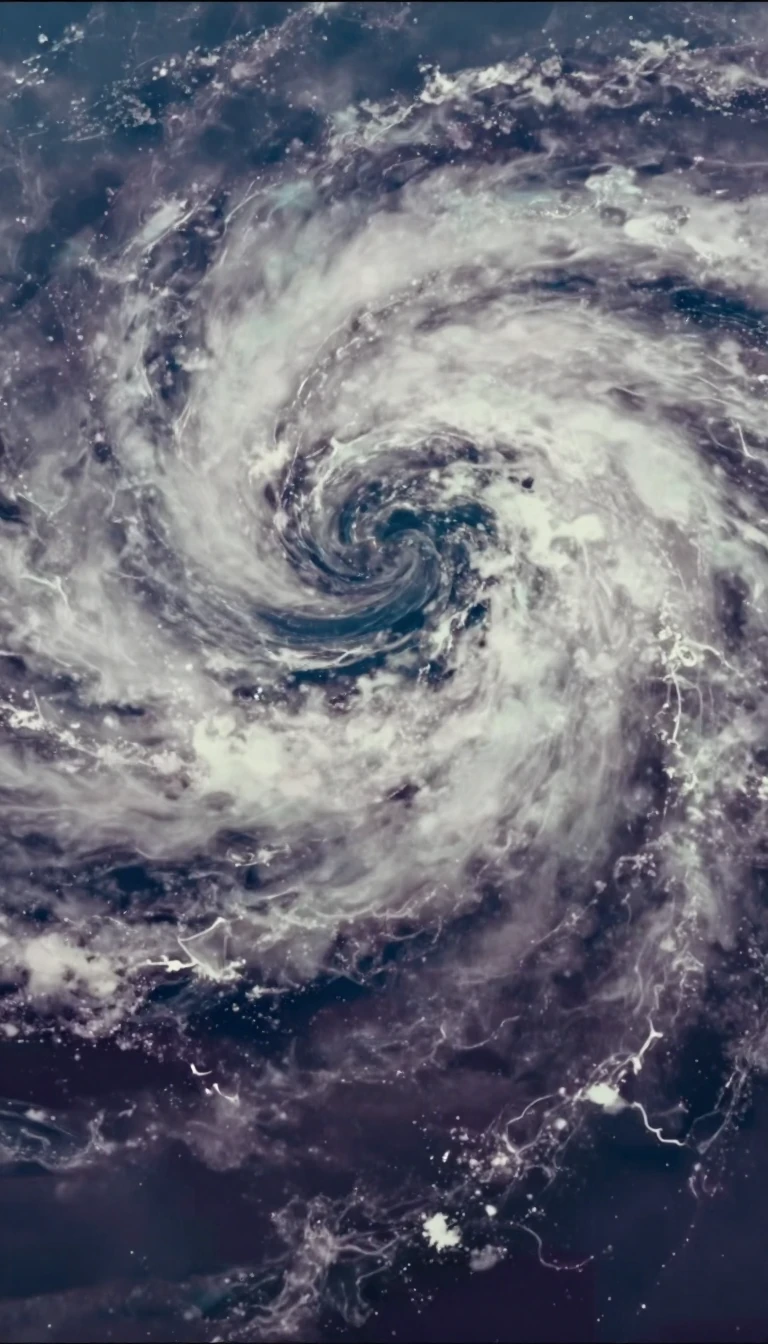
In short: In November 2025, Typhoon Fung-wong—known locally as Super Typhoon Uwan—slammed into the Philippines and Taiwan. The storm was so destructive that international committees and Philippine authorities took the rare step of permanently retiring both of its names from future use, marking a significant moment in meteorological history.
Originating northeast of Chuuk on November 3, 2025, the system underwent rapid intensification to become a Category 4-equivalent typhoon. By the time it made landfall in Dinalungan, Aurora, on November 9, it was classified as a super typhoon with sustained winds reaching 215 km/h. Its massive circulation, spanning approximately 1,800 kilometers, brought torrential rains and life-threatening storm surges to the Bicol Region and Northern Luzon, where it arrived just five days after Typhoon Kalmaegi had already battered the country.
The human and economic toll was severe. In the Philippines, the storm resulted in at least 33 fatalities and 52 injuries, primarily due to landslides and flooding. Infrastructure damage was widespread, with over 4,000 homes damaged and 17 million people losing electricity. Taiwan also suffered, recording one death and 95 injuries as the storm made landfall in Hengchun Township on November 12. The total economic impact in the Philippines alone reached nearly 5 billion pesos, prompting a national state of calamity.
The storm's legacy is defined by the administrative response to its devastation. The Philippine agency PAGASA retired the name Uwan in March 2026, replacing it with Urbano for the 2029 season. Simultaneously, the international ESCAP/WMO Typhoon Committee retired the name Fung-wong, with a replacement to be selected in 2027. This dual retirement highlights the severity of the event, which was the first November storm to hit Taiwan since 1967 and necessitated the evacuation of over 1.1 million people across the Philippines.
The storm's path and intensity drew comparisons to historical cyclones like Typhoon Babs and Typhoon Koppu, which had previously impacted similar regions. The event tested disaster response protocols, including the suspension of government work and the preemptive evacuation of thousands of residents. Despite these efforts, the sheer scale of the flooding and the destruction of critical infrastructure like bridges and roads underscored the persistent vulnerability of the region to high-intensity tropical cyclones.
Opens the Intellect+ feed with this card first. Swipe up for the next one.
Sources
- Summary by Intellect · source: Typhoon Fung-wong (2025)
To cite this card, link to https://intellectplus.co.uk/app/nature-typhoon-fung-wong-2025.
How we source, check and correct cards: Editorial standards.
General information, not professional advice. Spotted an error? Flag the card or see corrections and complaints.
Intellect Plus is a visual educational discovery platform for exploring fascinating facts and ideas. Brain Food, Not Brain Rot. What is Intellect Plus?
Related
More in Air · More in Nature · Latest · A–Z · All topics
