A university founded before the state itself, defined by its unique Cherokee Gothic architecture.
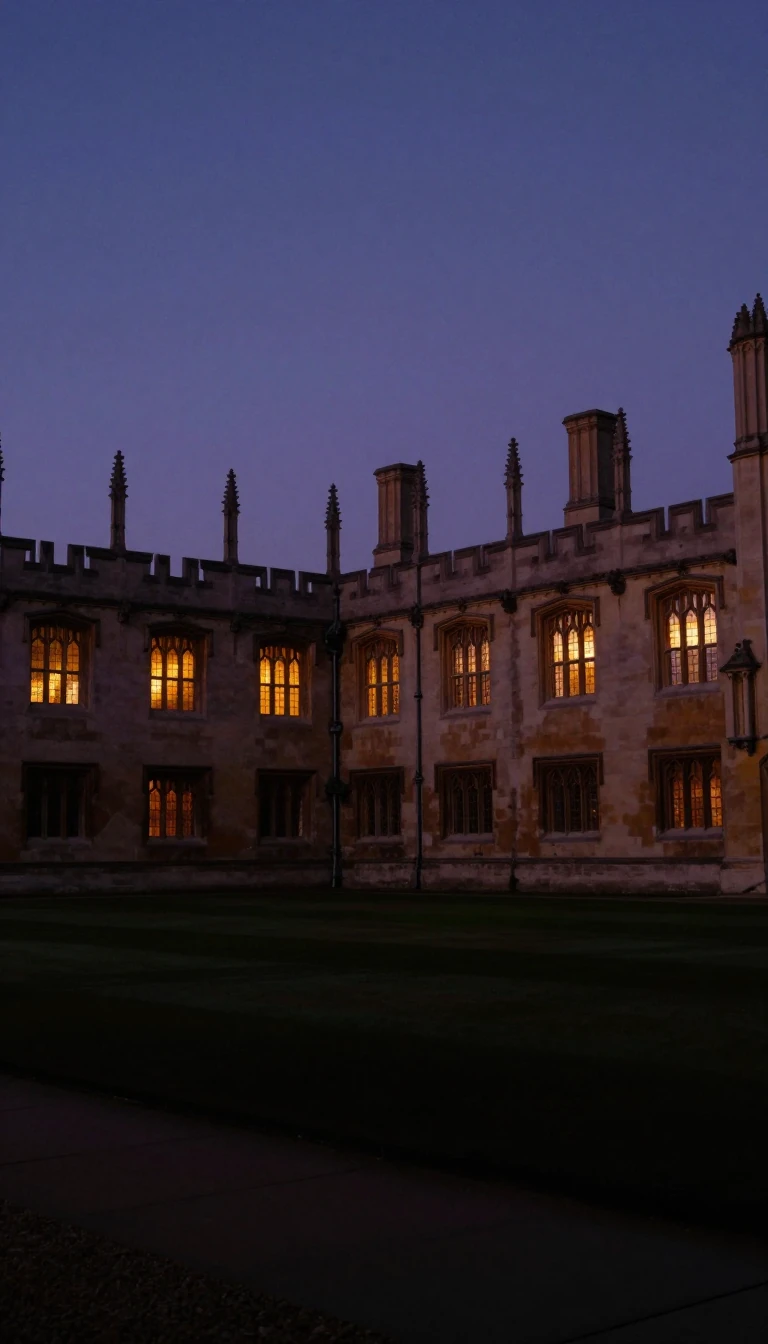
In short: Established in 1890, seventeen years before Oklahoma achieved statehood, the University of Oklahoma has evolved from a modest territorial institution into a major research hub. Beyond its academic reach, the campus is famous for its distinctive Cherokee Gothic style and a history that mirrors the state's own turbulent development.
The University of Oklahoma was established by the territorial legislature in 1890, with instruction commencing in 1892. Its early years were marked by significant challenges, including a 1903 fire that destroyed the institution's only building. Rather than faltering, the faculty and administration prioritized continuity, with mathematics professor Frederick Elder famously declaring that classes required only chalk and a blackboard. This resilience helped shape the campus, leading to the development of the North Oval, which remains a central feature today.
The campus is architecturally renowned for its Cherokee Gothic style, a term attributed to Frank Lloyd Wright. This aesthetic blends traditional Gothic Revival elements with Native American influences, utilizing lighter stonework to distinguish the buildings from standard Collegiate Gothic designs. This commitment to landscape and architecture began with the university's first president, who insisted on planting trees before construction even started, as he could not envision a seat of learning without them.
The university's growth has been deeply intertwined with Oklahoma's political and social history. Following statehood in 1907, the institution faced internal pressures as religious and political shifts influenced leadership. Today, the university operates as a major public research institution with a broad academic portfolio, including 14 colleges on its main Norman campus and specialized health science facilities in Oklahoma City and Tulsa. It continues to serve as a significant research center, housing institutions like the Center for Analysis and Prediction of Storms.
Athletics have long been a pillar of the university's identity. The Sooners, as the teams are known, have a storied history, including a record-setting 47-game winning streak under coach Bud Wilkinson. While the university recently transitioned from the Big 12 Conference to the Southeastern Conference in 2024, its legacy as a cornerstone of Oklahoma's higher education system remains firmly established, supported by a diverse range of museums and research facilities that preserve both natural history and political archives.
Opens the Intellect+ feed with this card first. Swipe up for the next one.
Sources
- Summary by Intellect · source: University of Oklahoma | Norman campus, Big 12, Sooners | Britannica
- Also: University of Oklahoma
To cite this card, link to https://intellectplus.co.uk/app/nature-university-of-oklahoma.
How we source, check and correct cards: Editorial standards.
General information, not professional advice. Spotted an error? Flag the card or see corrections and complaints.
Intellect Plus is a visual educational discovery platform for exploring fascinating facts and ideas. Brain Food, Not Brain Rot. What is Intellect Plus?
Related
More in Earth science · More in Nature · Latest · A–Z · All topics
