The Ussuri brown bear can rival the Kodiak bear, one of the largest bears alive
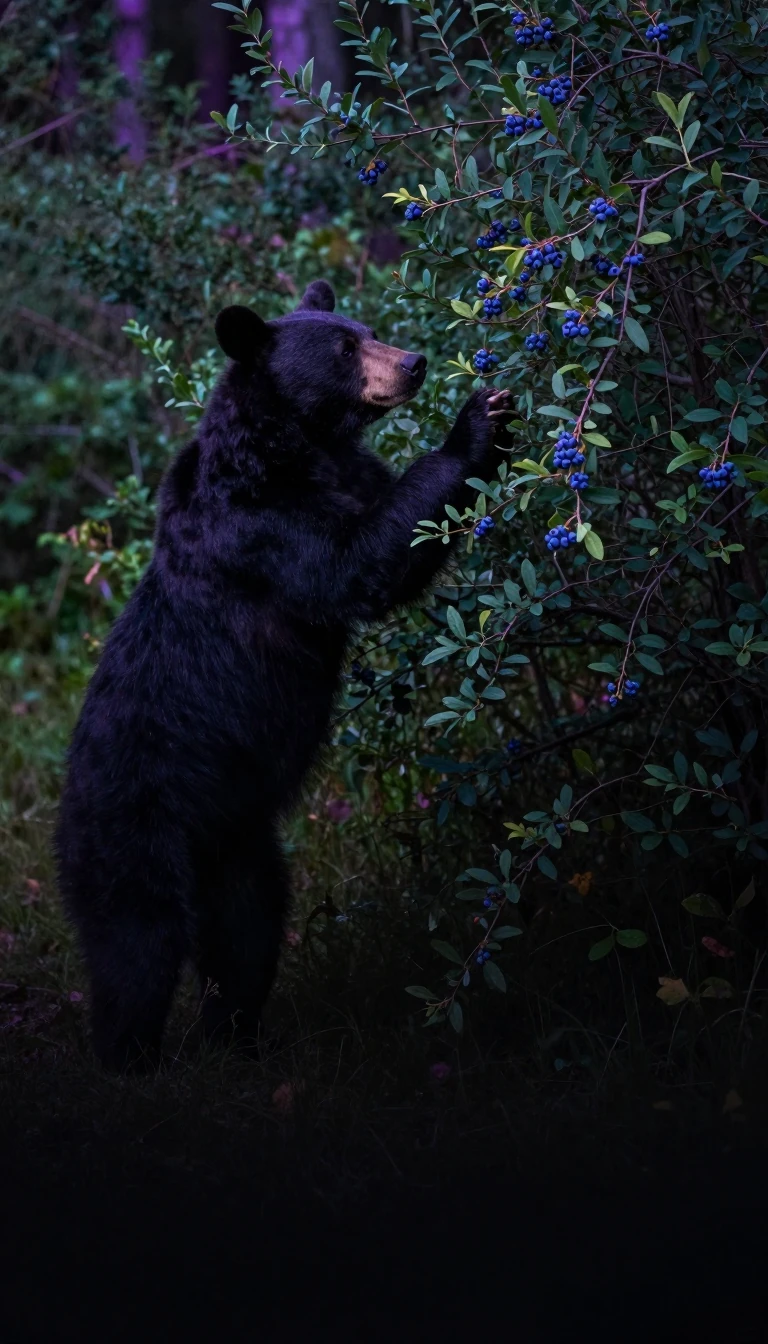
In short: One of the largest brown bears on Earth, the Ussuri brown bear ranges across eastern Russia, northeast China and Hokkaido. Its size, diet and surprising place in Ainu tradition reveal how a single animal can shape ecosystems, human communities and even cultural rituals across eastern Asia.
The Ussuri brown bear, Ursus arctos lasiotus, is classed either as a subspecies of the brown bear or as a population of the Eurasian brown bear, depending on the approach taken. Its range centres on the Russian Far East, with further populations in northeast China, Hokkaido and some islands in the Sea of Okhotsk. The name traces back to the Ussuri river. A very large individual may approach the Kodiak bear in size, and the animal is related to the North American grizzly. Adult males have skulls averaging about 38.7 cm long. Some individuals are almost entirely black, a feature once wrongly taken as evidence of crossbreeding with Asian black bears, an idea that has since been refuted.
Its diet is mostly vegetarian, though as a large predator it can kill almost any prey in its habitat. In spring on Sakhalin and in the Sikhote Alin region, bears eat acorns, nuts, bilberries, ants and larvae. In summer they strip bark from fir trees and eat berries, and on the middle part of Sakhalin fish make up about 28 percent of the August diet. Siberian tigers are the main threat to adult bears. Between 1944 and 1959, when hoofed prey populations fell, 32 cases of tigers attacking both brown and black bears were recorded. Conflict also runs the other way: bears frequently take tiger kills, and bears over 300 kg are reported to be largely safe from tiger attacks.
Human relations with these bears have been complicated. In Hokkaido, 141 people died from bear attacks in the first half of the twentieth century, a span of 57 years. The Sankebetsu incident of December 1915, in which a large brown bear killed seven people, is often cited in Japan and is thought to have shaped a perception of bears as man-eaters. Other accounts show calmer coexistence: on the Shiretoko Peninsula, females with cubs sometimes approach fishermen, with no casualties recorded.
Conservation status varies widely by region. About 500 to 1,500 bears are estimated in Heilongjiang, where the population is classed as vulnerable, with illegal hunting for high-value body parts a serious factor. In Hokkaido, five regional subpopulations are recognised, and the isolated western Ishikari group is listed as endangered in Japan's Red Data Book. A 2015 estimate by the Hokkaido government put the island's population as high as 10,600, a figure that shows how uncertain counts remain.
Opens the Intellect+ feed with this card first. Swipe up for the next one.
Sources
- Summary by Intellect · source: Ussuri brown bear
- Also: www.britannica.com — Ussuri brown bear | mammal | Britannica
To cite this card, link to https://intellectplus.co.uk/app/nature-ussuri-brown-bear.
How we source, check and correct cards: Editorial standards.
General information, not professional advice. Spotted an error? Flag the card or see corrections and complaints.
Intellect Plus is a visual educational discovery platform for exploring fascinating facts and ideas. Brain Food, Not Brain Rot. What is Intellect Plus?
Related
More in Vertebrates · More in Nature · Latest · A–Z · All topics
