The vampire squid is not a bloodsucker, but a master of the deep-sea abyss
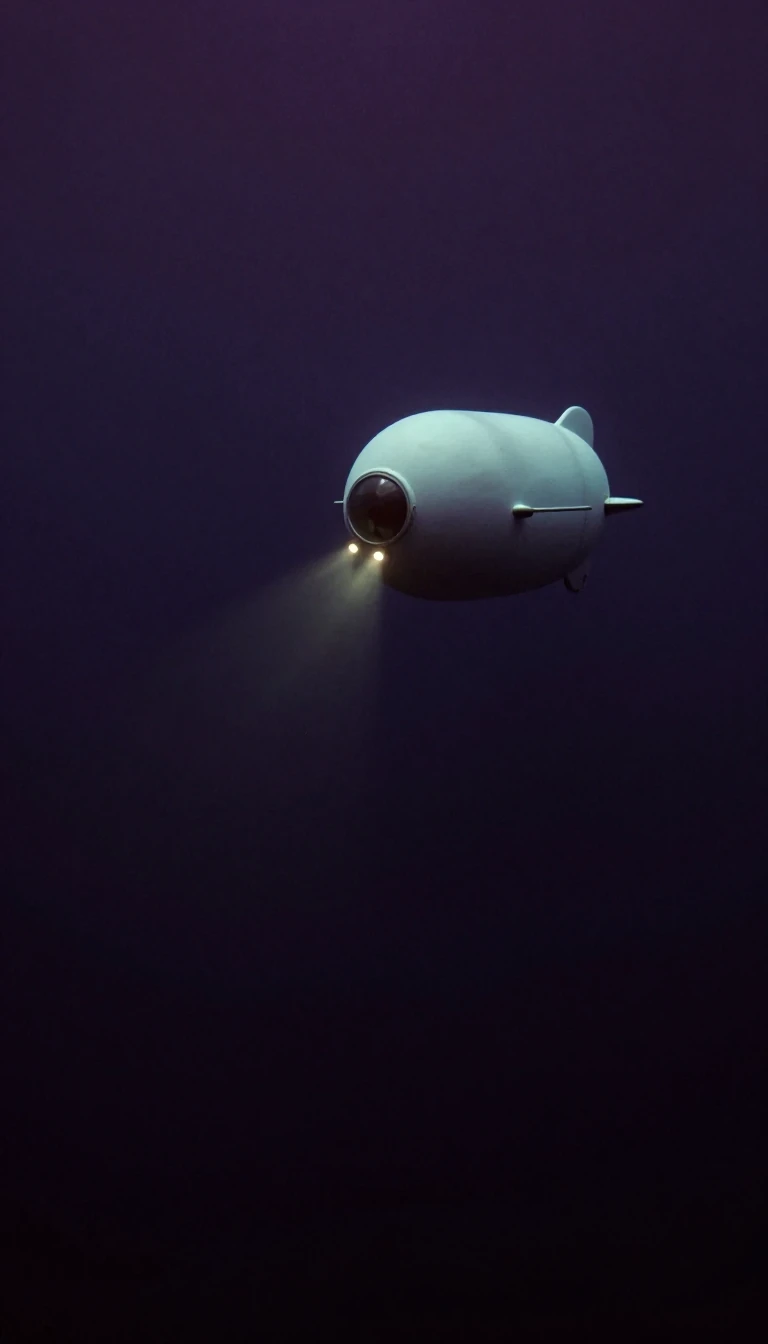
In short: Despite a name that sounds like a horror movie villain, the vampire squid is a gentle scavenger. Living in the oxygen-starved depths of the ocean, this unique cephalopod survives on marine snow and uses bioluminescent tricks to evade predators, proving that life thrives in the most inhospitable corners of Earth.
The vampire squid, or Vampyroteuthis infernalis, is a phylogenetic relict and the sole survivor of the order Vampyromorphida. Discovered during the 1898–1899 Valdivia Expedition, it was initially misidentified as an octopus. It thrives in the oxygen minimum zone, a layer of the ocean where oxygen levels are as low as 3%, a feat no other cephalopod can manage. To survive this suffocating environment, it has evolved the lowest mass-specific metabolic rate of any deep-sea cephalopod and utilizes highly efficient hemocyanin in its blood.
Physically, the creature is a marvel of adaptation. It possesses the largest eyes in the animal kingdom relative to its body size, allowing it to detect faint bioluminescence in the lightless depths. Instead of ink, it uses a sophisticated defense mechanism known as the 'pumpkin' posture, where it turns inside-out to reveal spiny cirri. If further threatened, it can eject a cloud of bioluminescent mucus to dazzle predators, a tactic that creates a 'burglar alarm effect' by marking the attacker for secondary predators.
Unlike most coleoid cephalopods, which are semelparous and die after one reproductive cycle, the vampire squid is iteroparous. Females can store sperm for long periods and may undergo more than twenty reproductive cycles in their lifetime, brooding eggs for up to 400 days. This slow, energy-conservative lifestyle is essential for survival in the nutrient-poor deep sea, where the animal feeds on detritus and marine snow, occasionally supplementing its diet with small crustaceans or gelatinous zooplankton.
While the name has been co-opted in popular culture to describe financial institutions, the biological reality is far more fascinating. The vampire squid's unique ontogeny—where it transitions from having two pairs of fins to one as it matures—once led scientists to misclassify its different life stages as separate species. Today, it remains a subject of intense study, offering a window into how life persists in the most extreme, aphotic regions of our planet.
Opens the Intellect+ feed with this card first. Swipe up for the next one.
Sources
- Summary by Intellect · source: Vampire squid
- Also: Vampire Squid (Vampyroteuthis infernalis)
To cite this card, link to https://intellectplus.co.uk/app/nature-vampire-squid.
How we source, check and correct cards: Editorial standards.
General information, not professional advice. Spotted an error? Flag the card or see corrections and complaints.
Intellect Plus is a visual educational discovery platform for exploring fascinating facts and ideas. Brain Food, Not Brain Rot. What is Intellect Plus?
Related
More in Mollusks · More in Nature · Latest · A–Z · All topics
