Beyond the tornado: the hidden physics of the atmosphere's ubiquitous swirling dust devils
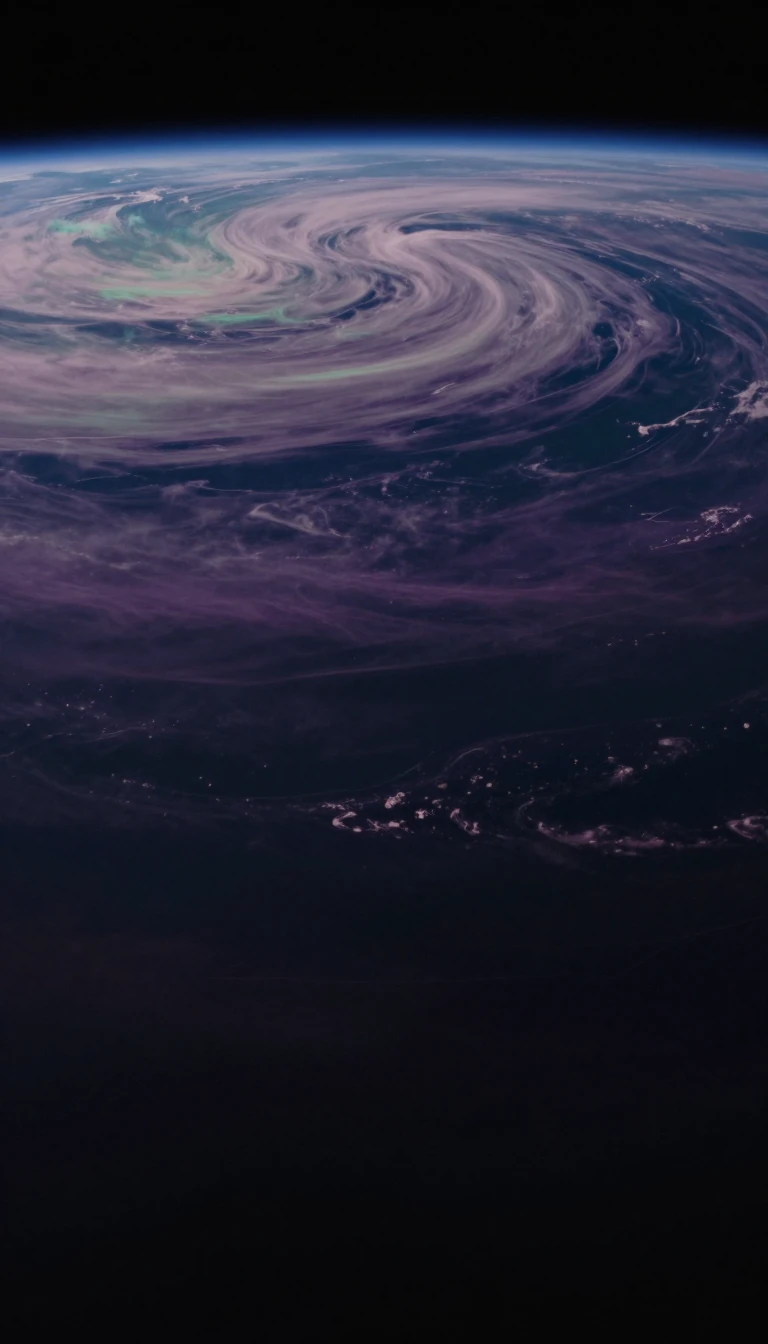
In short: A whirlwind is more than just a miniature tornado. These columnar vortices, ranging from tiny eddies to towering dust devils, are driven by surface heat and atmospheric instability. While often fleeting, these spinning columns can reach thousands of feet into the sky, revealing the invisible energy of our planet.
A whirlwind is defined as a small-diameter columnar vortex of rapidly swirling air. While the term is sometimes used broadly, meteorologists typically restrict it to atmospheric systems smaller than tornadoes but larger than microscale turbulence. These vortices are classified by the materials they loft, leading to phenomena like dust devils, sand pillars, and even fire or snow whirls. Unlike tornadoes, which are often tied to powerful supercell thunderstorms, dust devils are primarily driven by intense surface heating.
The formation of a dust devil requires a highly unstable layer of air near the ground, typically occurring on hot, clear days with light winds. As the Earth's surface heats up, it creates a strong heat flux, generating thermal plumes—parcels of rising hot air. If a light wind triggers rotation in these rising plumes, a vortex can develop. The whirlwind maintains itself by drawing on this stored thermal energy, with its structure divided into three distinct vertical regions. In the boundary layer near the ground, air flows inward, sweeping up detritus, while the middle region approaches cyclostrophic balance, where pressure-gradient forces are countered by centrifugal forces.
These vortices are most active in the early afternoon, between 12:30 and 2:00 pm, when surface temperatures peak. While most last less than five minutes, they can be surprisingly resilient. One large dust devil in Utah persisted for seven hours, traveling 64 kilometers across salt flats. Their visible height can reach 1,500 meters, though sailplane pilots have encountered upward-spiraling currents from these systems at altitudes exceeding 4,500 meters. Interestingly, these phenomena are not unique to Earth; they have been observed on Mars, proving that the fundamental physics of atmospheric instability transcends our own planet's environment.
The life of a whirlwind ends when dissipative forces, such as surface friction or interaction with the environment, exceed the available energy. Because the vortex dynamics are independent of the dust or debris that makes them visible, a whirlwind may persist long after it stops picking up material. They often appear in groups, sometimes called dancing devils, likely tied to a single large thermal plume passing through an area.
Opens the Intellect+ feed with this card first. Swipe up for the next one.
Sources
- Summary by Intellect · source: Whirlwind | Meteorology, Wind & Atmospheric Phenomena | Britannica
- Also: Whirlwind
To cite this card, link to https://intellectplus.co.uk/app/nature-whirlwind.
How we source, check and correct cards: Editorial standards.
General information, not professional advice. Spotted an error? Flag the card or see corrections and complaints.
Intellect Plus is a visual educational discovery platform for exploring fascinating facts and ideas. Brain Food, Not Brain Rot. What is Intellect Plus?
Related
More in Air · More in Nature · Latest · A–Z · All topics
