Why the Earth's mid-latitude winds act as a global steering system for weather
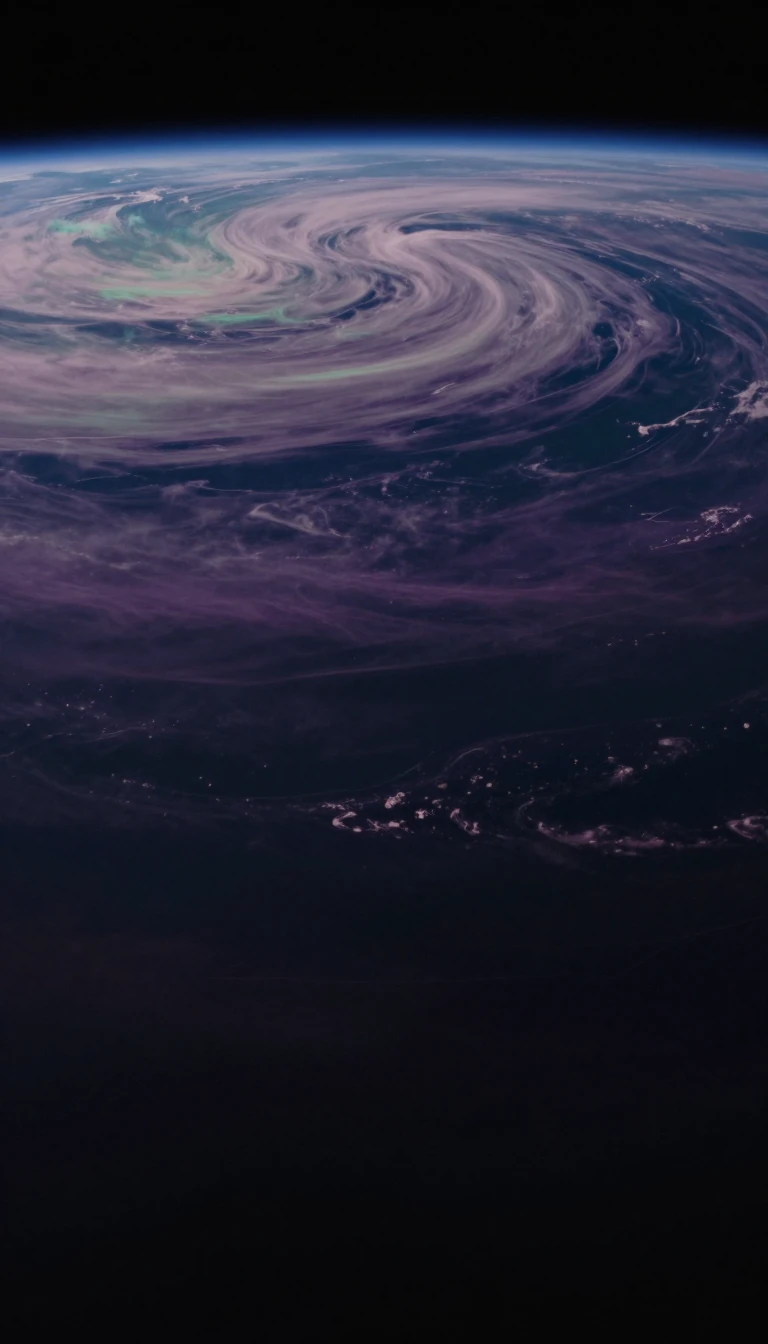
In short: The westerlies are powerful, prevailing winds that flow from west to east across the middle latitudes. Driven by the planet's rotation and temperature gradients, these currents act as a global conveyor belt, steering storm systems and shaping the climate of entire continents through their constant, high-altitude movement.
The westerlies exist as a fundamental component of Earth's atmospheric circulation. Located between 30 and 60 degrees latitude, these winds are generated by the interaction between cold polar air and warmer tropical air. This convergence zone, known as the polar front, creates the unstable conditions that produce traveling depressions—the everyday low-pressure systems that dictate weather patterns across the mid-latitudes. Because these winds are influenced by the Coriolis effect, they are deflected eastward, resulting in a consistent west-to-east flow.
The strength and behavior of the westerlies vary significantly by hemisphere and season. In the Northern Hemisphere, the presence of large landmasses disrupts the flow, causing the winds to meander and create ridges. Conversely, the Southern Hemisphere features a vast oceanic expanse with little land to obstruct the air currents. This allows the westerlies to reach remarkable speeds, earning them legendary maritime nicknames like the roaring forties, furious fifties, and shrieking sixties. These winds are also intrinsically linked to high-altitude jet streams—narrow corridors of intense wind that can reach speeds capable of significantly impacting aircraft travel.
Beyond the atmosphere, the westerlies exert a profound influence on the oceans. By driving surface waters, they help create powerful ocean currents that transport warm tropical water toward the poles. In the Southern Ocean, this process culminates in the Antarctic Circumpolar Current, the largest ocean current on the planet. These interactions demonstrate how the westerlies function as more than just wind; they are a critical mechanism for heat distribution, steering both the storms that bring our daily weather and the deep-seated currents that regulate the global climate.
Opens the Intellect+ feed with this card first. Swipe up for the next one.
Sources
- Summary by Intellect · source: Westerlies | meteorology | Britannica
- Also: Westerlies
To cite this card, link to https://intellectplus.co.uk/app/nature-westerlies.
How we source, check and correct cards: Editorial standards.
General information, not professional advice. Spotted an error? Flag the card or see corrections and complaints.
Intellect Plus is a visual educational discovery platform for exploring fascinating facts and ideas. Brain Food, Not Brain Rot. What is Intellect Plus?
Related
More in Air · More in Nature · Latest · A–Z · All topics
