The world's largest gypsum dunefield hides a prehistoric secret beneath its shifting white sands.
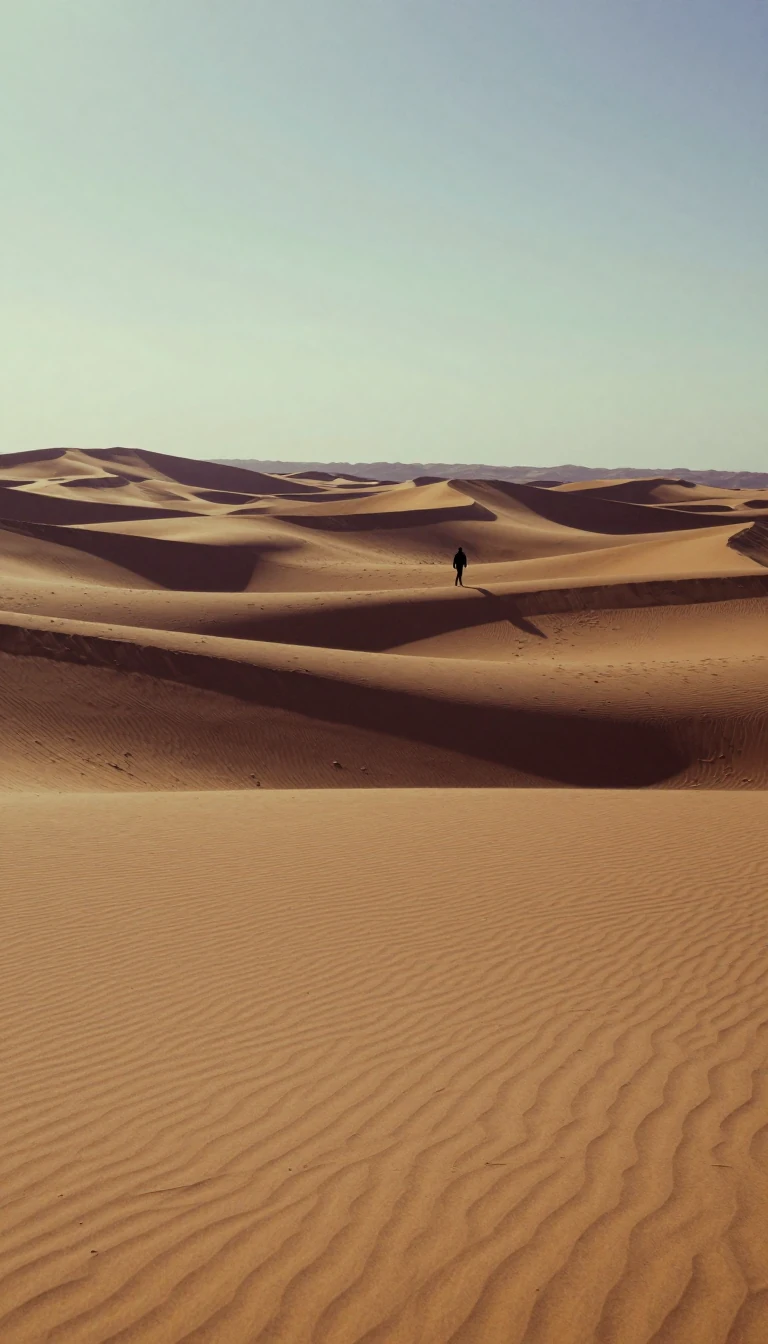
In short: White Sands National Park in New Mexico contains 4.5 billion tons of gypsum sand, forming the largest dunefield of its kind on Earth. Beyond its striking landscape, the park preserves fossilized footprints that challenge our understanding of when humans first arrived in North America, dating back 21,000 to 23,000 years.
The unique geology of White Sands began during the Permian Period, when shallow seas deposited vast amounts of gypsum. As tectonic forces pushed these deposits into the San Andres and Sacramento Mountains, rain and snowmelt dissolved the mineral, carrying it into the closed Tularosa Basin. As the climate warmed and ancient lakes like Lake Otero evaporated, the gypsum crystallized into selenite, which winds eventually broke down into the fine, white sand seen today.
The park's most profound discovery involves fossilized human footprints found in gypsum soil. While the consensus for human arrival in North America is typically 13,000 to 16,000 years ago, these tracks are bracketed by seeds yielding radiocarbon ages of 21,000 to 23,000 years. Although initially contested due to potential carbon-intake errors by the aquatic plants used for dating, subsequent analysis of pollen and quartz grains has supported these earlier dates. These tracks appear alongside those of extinct megafauna, including Columbian mammoths and ground sloths, providing a rare glimpse into a shared prehistoric landscape.
Human history in the basin extends far beyond the Ice Age. Paleo-Indians hunted megafauna with specialized stone points, followed by Archaic peoples who practiced early agriculture and stabilized the dunes. Later, the Jornada Mogollon built permanent adobe structures, and Apache bands defended the region for centuries. Today, the park remains a complex intersection of history and modern reality, completely surrounded by the White Sands Missile Range. Redesignated as a national park in 2019, it serves as both a protected ecological wonder and a site of ongoing scientific discovery.
Opens the Intellect+ feed with this card first. Swipe up for the next one.
Sources
- Summary by Intellect · source: White Sands National Park
To cite this card, link to https://intellectplus.co.uk/app/nature-white-sands-national-park.
How we source, check and correct cards: Editorial standards.
General information, not professional advice. Spotted an error? Flag the card or see corrections and complaints.
Intellect Plus is a visual educational discovery platform for exploring fascinating facts and ideas. Brain Food, Not Brain Rot. What is Intellect Plus?
Related
More in Earth science · More in Nature · Latest · A–Z · All topics
