How North America's tallest dunes formed in the shadow of the Sangre de Cristo Mountains
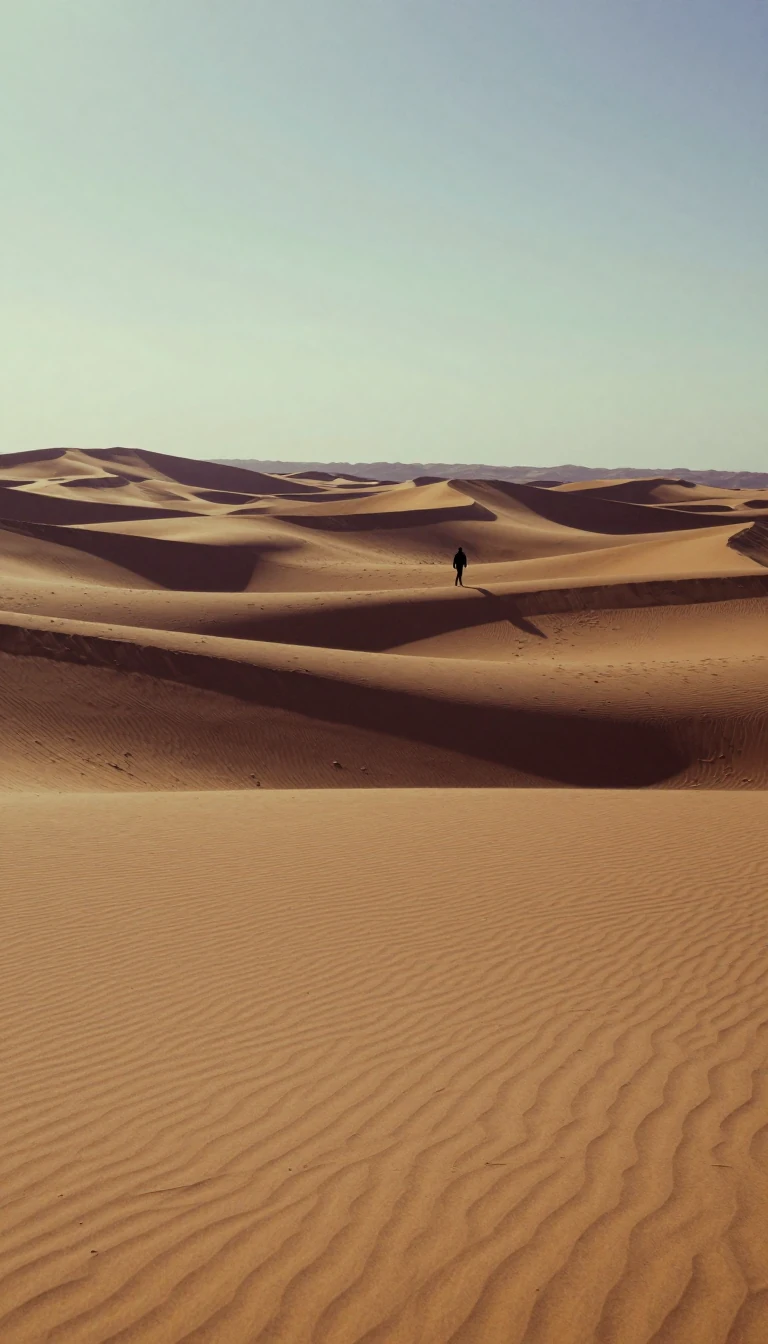
In short: Rising 750 feet above the San Luis Valley, the dunes at this Colorado park are a geological marvel. They are not merely piles of sand, but a complex system shaped by ancient lakes and persistent winds, creating a landscape that has supported human life for over 11,000 years.
The Great Sand Dunes National Park and Preserve, located in south-central Colorado, spans approximately 150,000 acres. The park's iconic dune field is the result of a long-term geological process. Over tens of thousands of years, sediments washed from the surrounding mountains into the San Luis Valley. As ancient lakes within the valley receded, the exposed sand was carried by prevailing southwest winds toward the Sangre de Cristo range, where it accumulated into the massive mounds seen today.
This environment is far more than just sand. The system is composed of four primary elements: the mountain watershed, the dune field itself, the surrounding sand sheet, and the sabkha. Because the dunes are built of loose, windblown particles, they are constantly shifting. The sand grains, typically quartz, are moved by gravity and wind, creating a dynamic surface that can reach temperatures as high as 150 degrees Fahrenheit during the summer months.
Human history in this region is remarkably deep, with evidence of habitation dating back 11,000 years. Early nomadic groups, including those who used Clovis and Folsom stone points, relied on the area for hunting prehistoric bison and mammoths. Later, tribes such as the Ute, Apache, and Navajo developed profound cultural connections to the landscape, viewing the nearby peaks as sacred sites and utilizing the local flora for medicine and sustenance.
Today, the park serves as an International Dark Sky Park and offers a diverse range of ecosystems, from alpine tundra to riparian zones. While the dunes are the primary attraction, the preserve provides a vital habitat for wildlife and a window into the geologic past. Visitors can explore the dunes, hike through subalpine forests, or experience the unique flow of Medano Creek, which peaks in late spring.
Opens the Intellect+ feed with this card first. Swipe up for the next one.
Sources
- Summary by Intellect · source: Great Sand Dunes National Park and Preserve | dunes, hiking, camping | Britannica
- Also: Great Sand Dunes National Park and Preserve
- Also: Great Sand Dunes National Park & Preserve (U.S. National Park Service)
- Also: Great Sand Dunes National Park & Preserve - Camping, Permits | Colorado | Recreation.gov
To cite this card, link to https://intellectplus.co.uk/app/nature-great-sand-dunes-national-park-and-preserve.
How we source, check and correct cards: Editorial standards.
General information, not professional advice. Spotted an error? Flag the card or see corrections and complaints.
Intellect Plus is a visual educational discovery platform for exploring fascinating facts and ideas. Brain Food, Not Brain Rot. What is Intellect Plus?
Related
More in Organisms · More in Nature · Latest · A–Z · All topics
