The Pacific white shrimp is a global aquaculture titan with a complex identity.
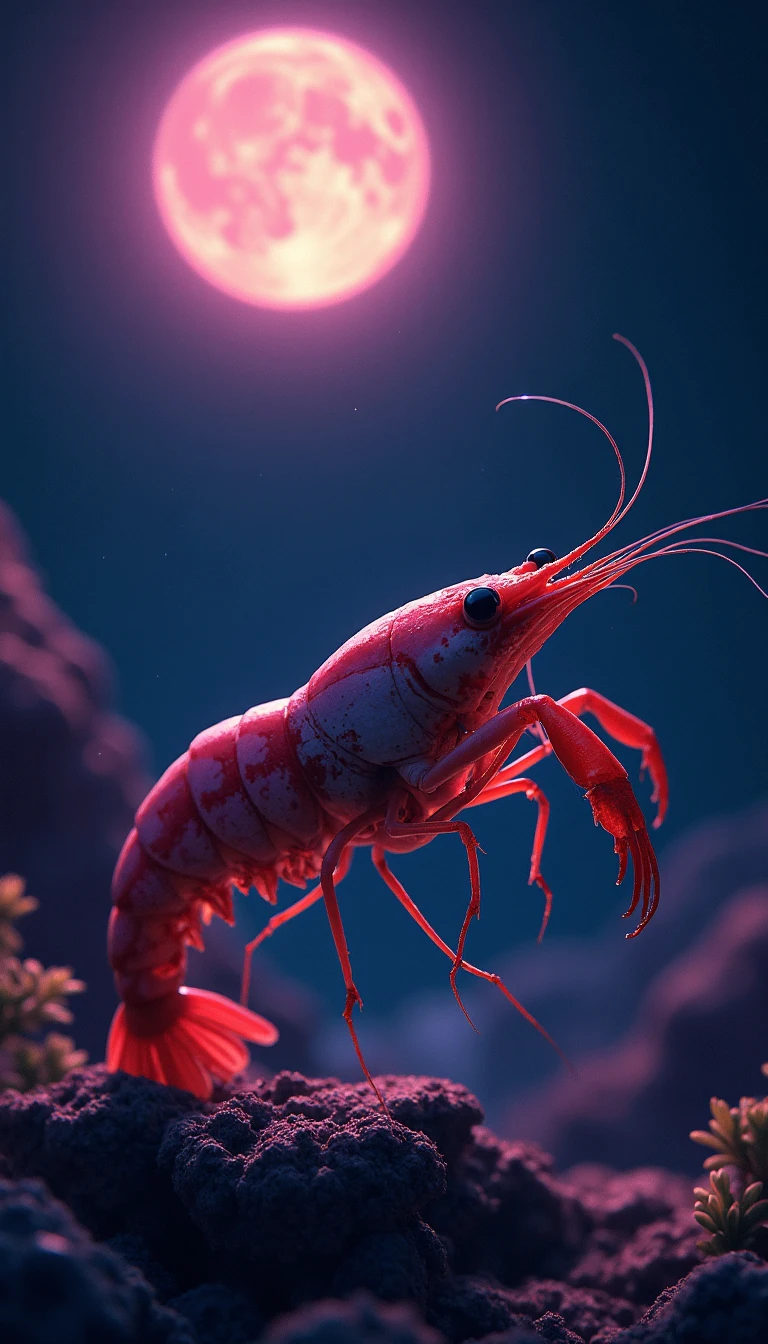
In short: Once a regional staple for Mexican fishermen, the whiteleg shrimp has become the world's most farmed crustacean. This euryhaline species thrives in diverse salinities, fueling a multibillion-dollar industry that spans from Latin America to Asia. Yet, its rapid rise has triggered significant environmental, ethical, and biological challenges.
Native to the eastern Pacific, from Sonora, Mexico, to northern Peru, the whiteleg shrimp (Penaeus vannamei) is a biological marvel. It is euryhaline, meaning it tolerates wide salinity ranges, and thrives in warm tropical waters. Adults typically inhabit the ocean at depths up to 72 meters, while juveniles mature in estuaries. The species was first described by Lee Boone in 1931, named after Willard G. Van Name, who collected the type specimen in a Panama City market. Its taxonomic classification has shifted repeatedly, moving between the genus Litopenaeus and the broader Penaeus, most recently reunified under the latter in 2023.
The transition from wild-caught fishery to industrial aquaculture began in 1973 in Florida. By the 1980s, production had exploded across Latin America, later expanding into Asia at the turn of the 21st century. By 2017, global production reached approximately 5.5 million metric tons, with whiteleg shrimp accounting for 80% of that total. This massive scale is driven by sophisticated hatchery techniques, specialized feed, and modernized farming, though it remains vulnerable to environmental shifts like El Niño and La Niña, as well as devastating pathogens like white spot syndrome and AHPND.
The industry's expansion has faced intense scrutiny. In 2010, Greenpeace International added the species to its seafood red list, citing the destruction of mangrove forests, the overfishing of wild juveniles for farm stock, and reports of human rights abuses. In response, producers are increasingly focusing on sustainable practices, such as water quality management and the use of probiotics to bolster the shrimp's non-specific immune system. These crustaceans rely on cellular and humoral responses, including haemocytes and antimicrobial peptides, to fend off disease, a critical focus as the industry seeks to move away from chemical agents and antibiotics.
Opens the Intellect+ feed with this card first. Swipe up for the next one.
Sources
- Summary by Intellect · source: Whiteleg shrimp
- Also: iNaturalist — Whiteleg Shrimp (Penaeus vannamei) · CC BY-SA 4.0 (Wikipedia summary)
To cite this card, link to https://intellectplus.co.uk/app/nature-whiteleg-shrimp.
How we source, check and correct cards: Editorial standards.
General information, not professional advice. Spotted an error? Flag the card or see corrections and complaints.
Intellect Plus is a visual educational discovery platform for exploring fascinating facts and ideas. Brain Food, Not Brain Rot. What is Intellect Plus?
Related
More in Arthropods · More in Nature · Latest · A–Z · All topics
