The humble brown shrimp's population is strangely linked to the sun's activity cycles
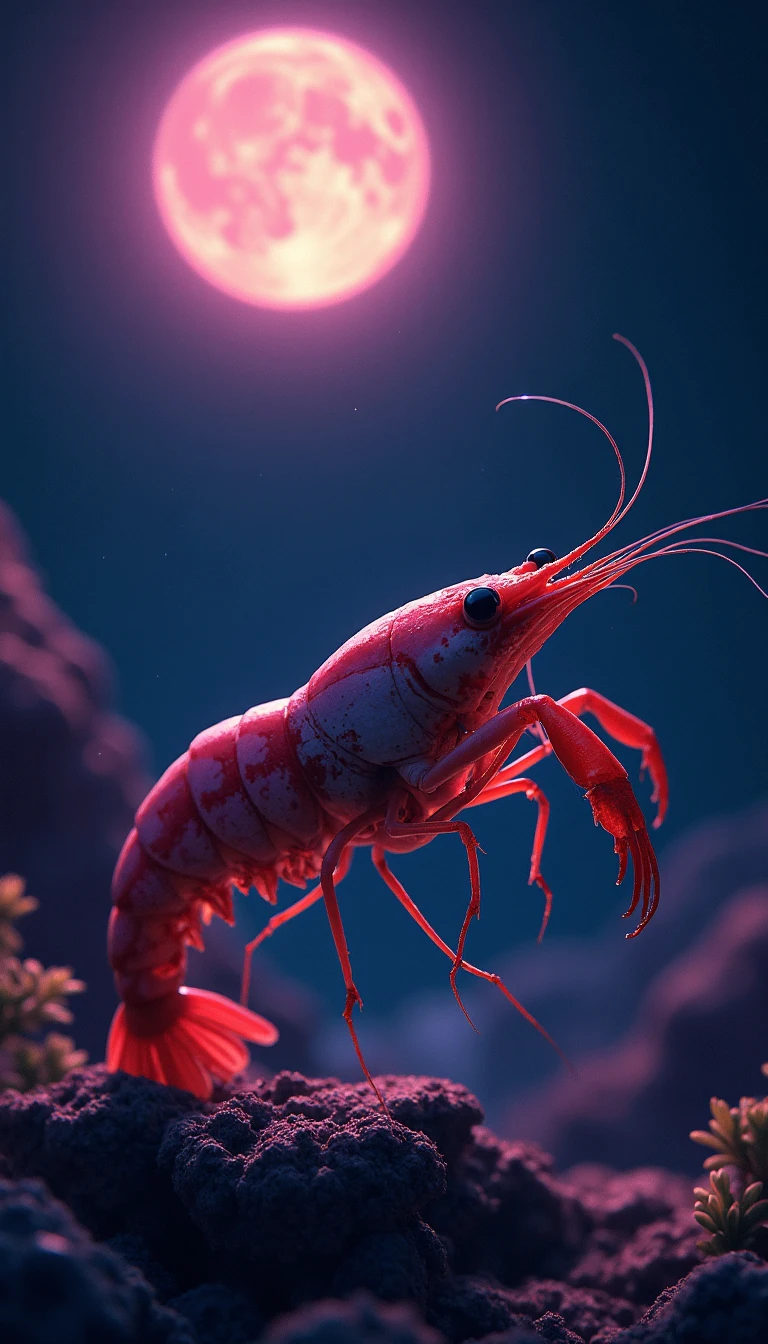
In short: Crangon crangon, the common brown shrimp, is a master of disguise that spends its days buried in the sand. Beyond its culinary fame in Europe, this small crustacean exhibits a bizarre, documented correlation between its annual catch numbers and the sunspot cycles occurring millions of miles away in space.
Found throughout the northeastern Atlantic, from the White Sea to Morocco, the brown shrimp is a vital ecological player. These creatures are nocturnal, spending daylight hours submerged in sandy shallows to evade predators. They are defined by their cryptic coloration, which they can shift to match their surroundings, and their unique subchelate first pereiopods, where a movable finger closes against a short projection.
While the species is widespread, genetic evidence suggests that natural barriers like the Strait of Gibraltar limit gene flow, with western Mediterranean populations potentially being the oldest. Their life cycle begins as planktonic larvae, which undergo five moults before settling on the sea floor as postlarvae. Females typically reach sexual maturity between 22 and 43 mm, while males mature slightly later at 30 to 45 mm.
The commercial significance of the brown shrimp is immense, particularly in the southern North Sea. Interestingly, researchers have found that annual landings in Lancashire, UK, can be predicted by factors like previous rainfall, air temperature, and even the mean annual Zürich sunspot number. For instance, data from 1965 to 1975 showed a close correlation between shrimp abundance and sunspot activity, a pattern further supported by observations during sunspot cycle No. 23 between 1997 and 2008.
Despite their popularity in dishes like Belgian shrimp croquettes or Lancashire potted shrimps, the species faces modern challenges. Greenpeace Germany has labeled them an unsustainable choice, and studies have confirmed the presence of microplastics within their bodies. Whether harvested by traditional hand-pushed nets or modern beam trawls, these shrimp remain a fascinating intersection of marine biology, climate variability, and human gastronomy.
Opens the Intellect+ feed with this card first. Swipe up for the next one.
Sources
- Summary by Intellect · source: Crangon crangon
- Also: iNaturalist — Brown Shrimp (Crangon crangon) · CC BY-SA 4.0 (Wikipedia summary)
- Also: iNaturalist — Sand Shrimp (Crangon septemspinosa) · CC BY-SA 4.0 (Wikipedia summary)
To cite this card, link to https://intellectplus.co.uk/app/nature-crangon-crangon.
How we source, check and correct cards: Editorial standards.
General information, not professional advice. Spotted an error? Flag the card or see corrections and complaints.
Intellect Plus is a visual educational discovery platform for exploring fascinating facts and ideas. Brain Food, Not Brain Rot. What is Intellect Plus?
Related
More in Arthropods · More in Nature · Latest · A–Z · All topics
