How wind turns into water waves that travel thousands of kilometers across our oceans
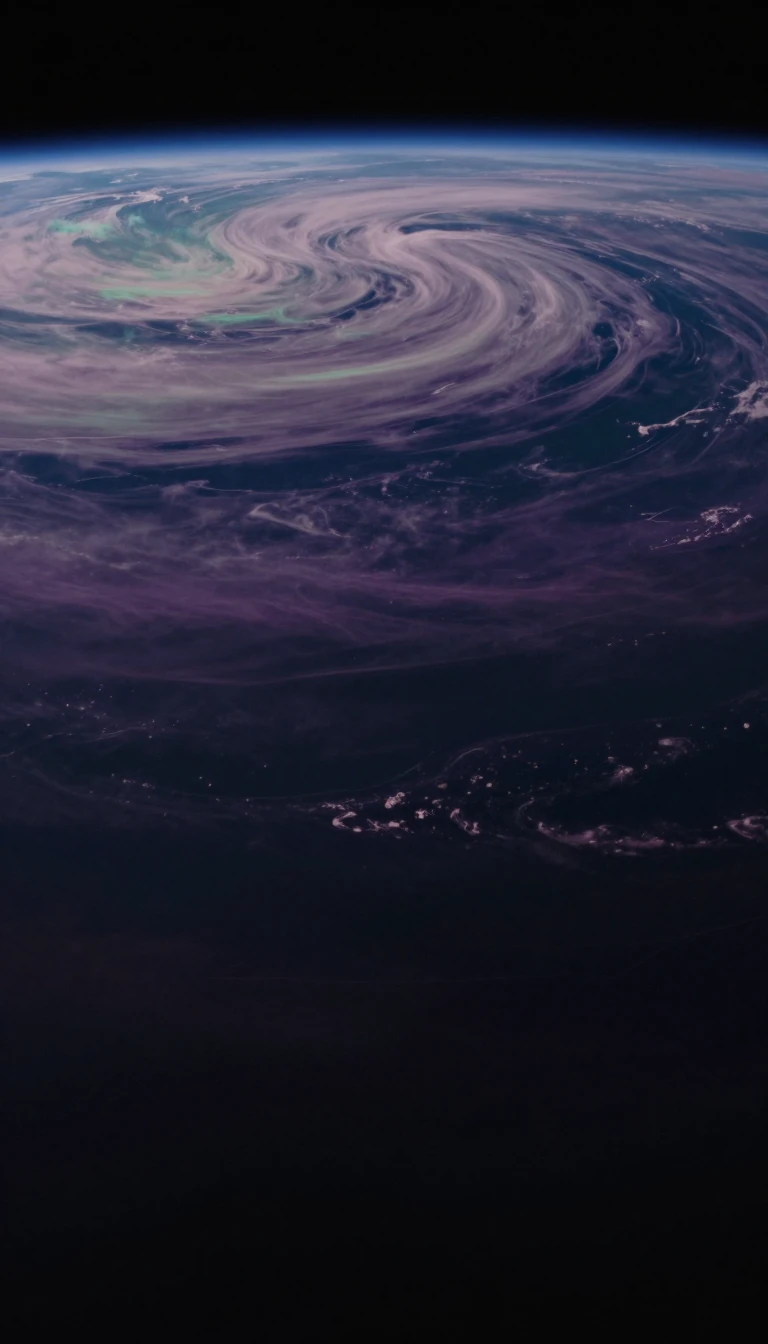
In short: Wind waves are not just surface ripples; they are complex energy transfers governed by gravity and fluid dynamics. From the initial pressure fluctuations of a breeze to the massive swells that cross entire oceans, these waves follow precise physical laws, even when they appear to behave with chaotic randomness.
The birth of a wind wave begins with turbulent air pressure acting on a flat water surface, creating tiny ripples known as capillary waves. As wind continues to blow, these ripples grow into gravity waves. This process is driven by two primary mechanisms: the Phillips mechanism, which initiates the random pressure fluctuations, and the Miles mechanism, which uses wind shear to exponentially increase wave size. By 1957, John W. Miles proposed that energy transfer is proportional to the curvature of the wind's velocity profile, effectively feeding kinetic energy from the air into the water.
Once waves move beyond the area where the wind is actively generating them—the fetch—they become swells. These waves can travel thousands of kilometers across the globe, maintaining their energy until they reach land. Their propagation is defined by wavelength, period, and water depth. In deep water, where the depth exceeds half the wavelength, water molecules move in circular orbits. As waves approach shallower regions, the sea floor flattens these orbits, eventually forcing the wave to break.
While waves are often unpredictable, scientists use statistical models to track evolving sea states. A key metric is the significant wave height, which represents the average of the highest one-third of waves in a given period. While myths suggest the seventh wave is always the largest, reality is more variable. Occasionally, rogue waves emerge, reaching heights significantly greater than the surrounding sea state. For instance, the 2007 typhoon Krosa produced a record 32.3-meter wave, demonstrating the immense power generated when wind, duration, and fetch align perfectly.
Opens the Intellect+ feed with this card first. Swipe up for the next one.
Sources
- Summary by Intellect · source: Wind wave
To cite this card, link to https://intellectplus.co.uk/app/nature-wind-wave.
How we source, check and correct cards: Editorial standards.
General information, not professional advice. Spotted an error? Flag the card or see corrections and complaints.
Intellect Plus is a visual educational discovery platform for exploring fascinating facts and ideas. Brain Food, Not Brain Rot. What is Intellect Plus?
Related
More in Water · More in Nature · Latest · A–Z · All topics
