Zacatecas: A high-altitude Mexican state defined by silver, ancient history, and rugged terrain.
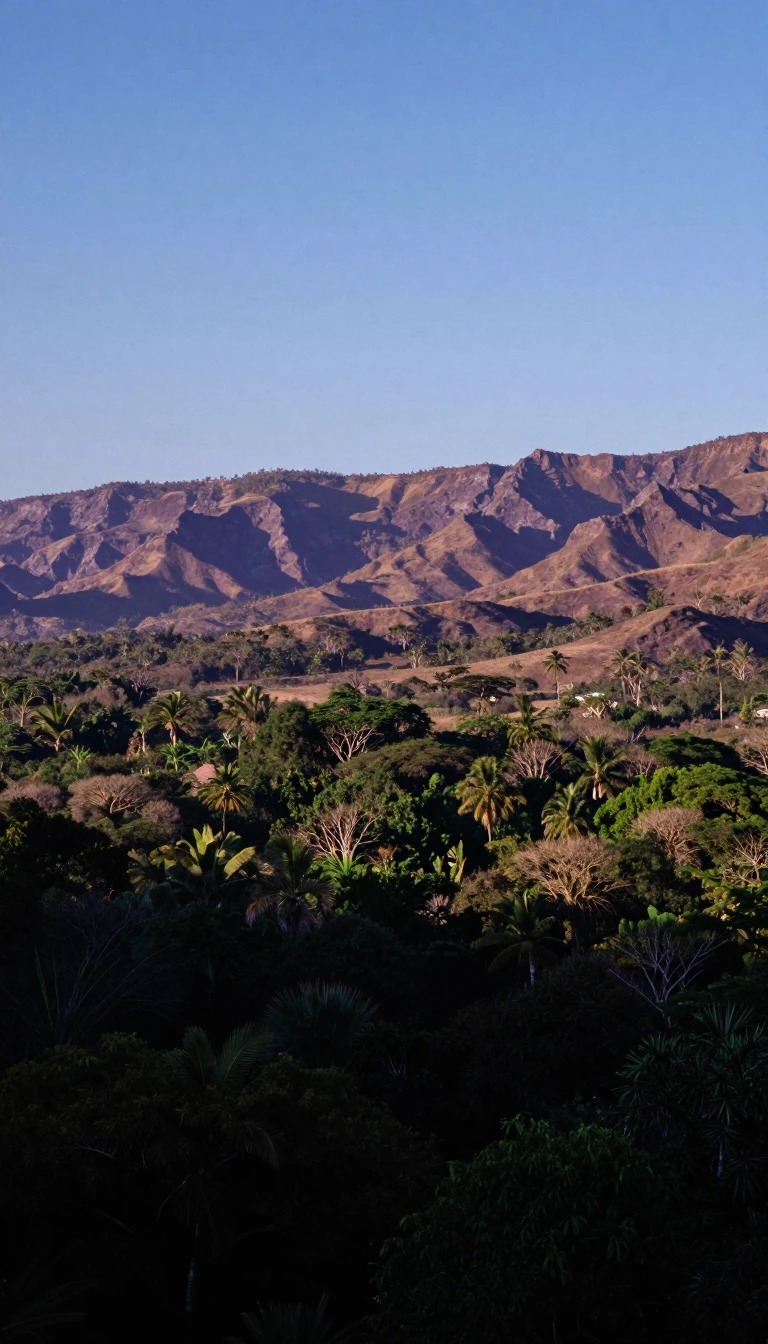
In short: Spanning over 75,000 square kilometers in north-central Mexico, Zacatecas is a land of extremes. From its arid, cactus-studded deserts to high-altitude forests, this state has shaped global markets through its immense mineral wealth while harboring mysterious pre-Hispanic ceremonial centers that predate the arrival of Spanish colonial forces by centuries.
Zacatecas sits at an average altitude of 2,230 meters, characterized by a cool, dry climate and a landscape dominated by the Sierra Madre Occidental. While 75% of its territory is arid or semi-arid, the region supports diverse ecosystems ranging from scrub and grasslands to mixed pine and holm oak forests. The state is divided into 58 municipalities and lacks major permanent rivers, relying instead on underground water accessed by thousands of wells.
The state's history is inextricably linked to mining. Following the 1546 discovery of one of the world's richest silver veins, Zacatecas became a cornerstone of New Spain. By the early 18th century, it produced one-fifth of the world's silver. Today, it remains a global mining powerhouse, accounting for over 53% of Mexico's silver production. Two of the world's most significant silver extraction sites operate within its borders: the Mina Proaño in Fresnillo and the Peñasquito Polymetallic Mine.
Beyond its industrial output, Zacatecas preserves a complex archaeological heritage. Sites like La Quemada and Altavista served as ceremonial hubs between the 4th and 10th centuries CE. The state also hosts the oldest copper smelting facility in Mesoamerica at El Teúl. Despite a tumultuous history involving the Mixtón War and the Mexican Revolution, the region has cultivated a distinct cultural identity, celebrated through festivals like the Morismas de Bracho and traditional music like the Tamborazo.
Modern Zacatecas is a blend of tradition and transition. With a population of over 1.6 million, the state faces challenges including a low average schooling level and significant emigration. However, it continues to diversify its economy beyond mining into agriculture, manufacturing, and tourism, with its historic capital recognized as a UNESCO World Heritage Site since 1993.
Opens the Intellect+ feed with this card first. Swipe up for the next one.
Sources
- Summary by Intellect · source: Zacatecas
To cite this card, link to https://intellectplus.co.uk/app/nature-zacatecas.
How we source, check and correct cards: Editorial standards.
General information, not professional advice. Spotted an error? Flag the card or see corrections and complaints.
Intellect Plus is a visual educational discovery platform for exploring fascinating facts and ideas. Brain Food, Not Brain Rot. What is Intellect Plus?
Related
More in Organisms · More in Nature · Latest · A–Z · All topics
