A precision drone strike on Saudi oil infrastructure briefly paralyzed global energy markets
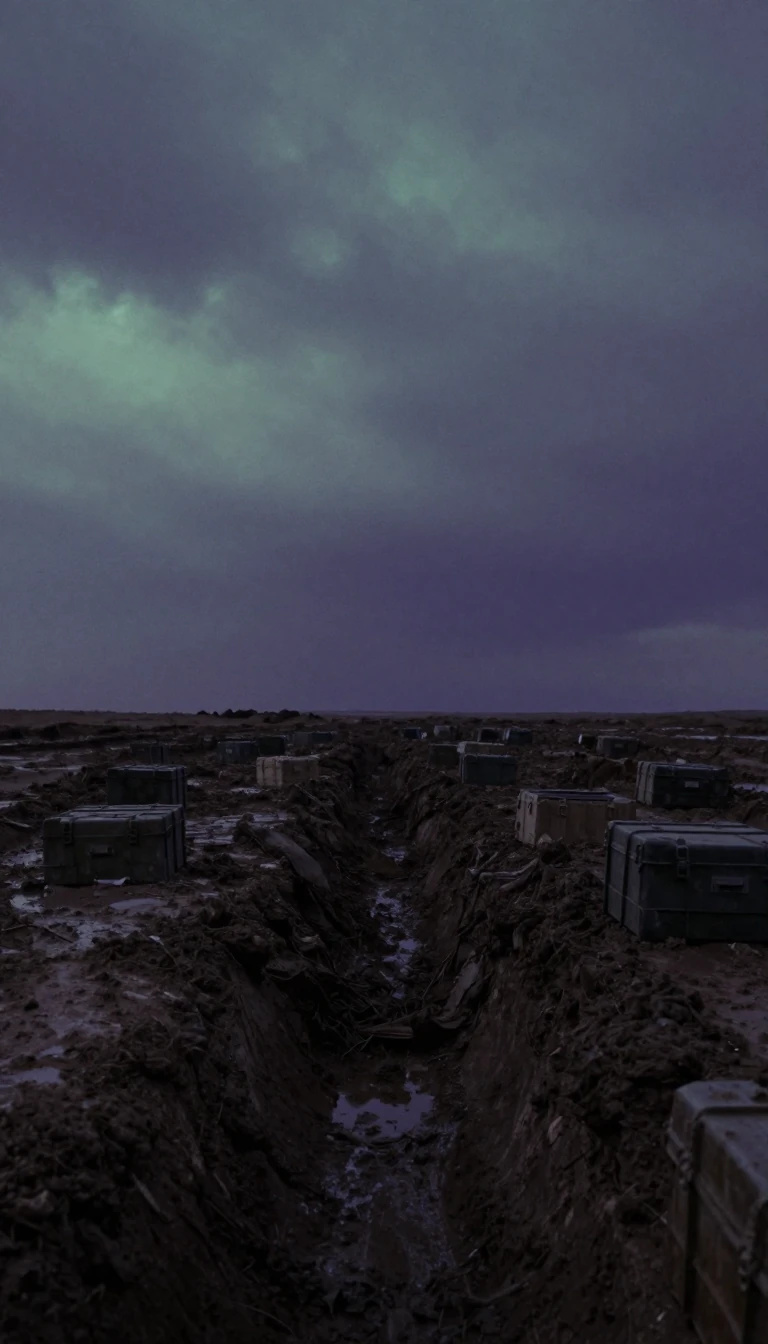
In short: On September 14, 2019, a swarm of drones and cruise missiles struck two critical Saudi Aramco facilities. The attack slashed Saudi oil production by half, representing five percent of global output. This event exposed the extreme vulnerability of the world's largest oil processing plant to low-cost, low-altitude aerial threats.
The Abqaiq facility, described as the world's largest crude oil stabilization plant, was the primary target. By removing sulfur impurities, it processes over 7 million barrels of oil daily. When the strike hit, it triggered massive fires and forced a total shutdown of both Abqaiq and the Khurais oil field. The immediate impact was a 20 percent surge in Brent Crude futures, the largest single-day jump since the 1990 invasion of Kuwait, as markets panicked over the sudden supply disruption.
The attack highlighted a significant failure of modern air defense. Despite being protected by Skyguard, Patriot, and Shahine systems, the facility was struck by weapons that flew too low for conventional radar to detect. Experts noted that these systems are optimized for high-altitude ballistic missiles, leaving them ineffective against low-altitude, high-speed cruise missiles and drone swarms. The cost asymmetry is stark: while the defense systems cost billions, the drones used in the attack may have cost as little as $15,000 each.
Attribution remains a point of intense geopolitical friction. While Houthi rebels in Yemen claimed responsibility, citing retaliation for the Saudi-led intervention in their country, the United States, France, Germany, and the United Kingdom concluded that Iran bore responsibility. Iran has consistently denied involvement, and a UN investigation was unable to confirm the origin of the weapons. The incident forced a delay in the highly anticipated Saudi Aramco IPO, which eventually launched in December 2019 as the largest in history, raising $25.6 billion.
The event served as a wake-up call for global energy security. Analysts like Uzi Rubin compared the strike to a modern 'Pearl Harbor,' suggesting it would force a rethink of how critical infrastructure is protected against asymmetric warfare. As Saudi Aramco scrambled to restore capacity, the attack demonstrated that even the most sophisticated military defenses can be overwhelmed by cheap, accessible technology, fundamentally altering the risk profile for global energy producers.
Opens the Intellect+ feed with this card first. Swipe up for the next one.
Sources
- Summary by Intellect · source: Abqaiq–Khurais attack
To cite this card, link to https://intellectplus.co.uk/app/places-abqaiq-khurais-attack.
How we source, check and correct cards: Editorial standards.
General information, not professional advice. Spotted an error? Flag the card or see corrections and complaints.
Intellect Plus is a visual educational discovery platform for exploring fascinating facts and ideas. Brain Food, Not Brain Rot. What is Intellect Plus?
Related
More in Asia · More in Countries & Cities · Latest · A–Z · All topics
