How a Mediterranean port city became the intellectual capital of the ancient world
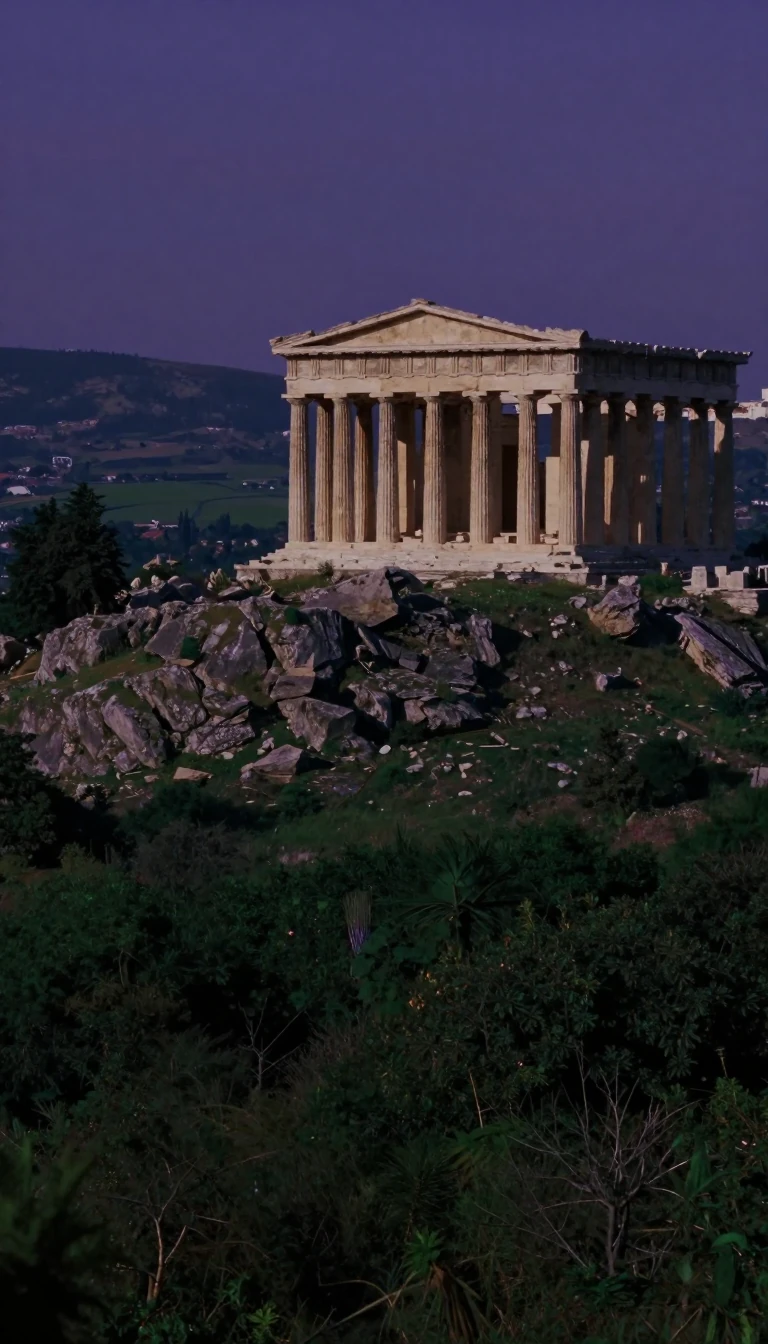
In short: Founded in 331 BC by Alexander the Great, Alexandria transformed from a modest settlement into a global powerhouse. As the capital of the Ptolemaic Kingdom, it dominated the Hellenistic age, housing the ancient world's most significant library and a legendary lighthouse that stood as a beacon of human achievement.
Originally established near the ancient Egyptian settlement of Rhacotis, Alexandria quickly ascended to become the most populous city in the ancient world. Its strategic location at the western edge of the Nile River Delta allowed it to thrive as a premier commercial and cultural hub for nearly a millennium. During this era, the city was defined by its architectural and intellectual marvels, most notably the Lighthouse of Alexandria, recognized as one of the Seven Wonders of the Ancient World, and its Great Library, which served as the largest repository of knowledge in antiquity.
The city's influence extended deep into the religious and political spheres of the Eastern Roman Empire, serving as a vital center for early Christianity and the seat of the Patriarchate of Alexandria. This legacy remains embedded in the modern identities of the Coptic Orthodox Church and the Greek Orthodox Church. Alexandria maintained its status as the Egyptian capital until the administrative center shifted to Fustat, which is now integrated into modern-day Cairo. Despite this transition, the city remained a critical naval base and trading post throughout the mid-seventh century.
Alexandria experienced a significant rebirth in the early 19th century under the leadership of Muhammad Ali, who is credited as the founder of modern Egypt. His modernization efforts and infrastructure projects revitalized the city, positioning it as a major international shipping hub by the late 18th century. This resurgence was largely driven by the lucrative trade in Egyptian cotton and the city's unique overland connectivity between the Mediterranean and Red Seas. Today, the city continues to function as a major industrial and financial center, boasting a population of 6,100,000 as of 2023 and serving as a vibrant cultural host for events like the Alexandria Mediterranean Film Festival.
Opens the Intellect+ feed with this card first. Swipe up for the next one.
Sources
- Summary by Intellect · source: Alexandria
- Also: Wikidata — Alexandria · CC0
- Also: Wikidata — Alexandria · CC0
To cite this card, link to https://intellectplus.co.uk/app/places-alexandria.
How we source, check and correct cards: Editorial standards.
General information, not professional advice. Spotted an error? Flag the card or see corrections and complaints.
Intellect Plus is a visual educational discovery platform for exploring fascinating facts and ideas. Brain Food, Not Brain Rot. What is Intellect Plus?
Related
More in Cities · More in Countries & Cities · Latest · A–Z · All topics
