How a strategic Caribbean lookout evolved from a military fortress into a cultural landmark.
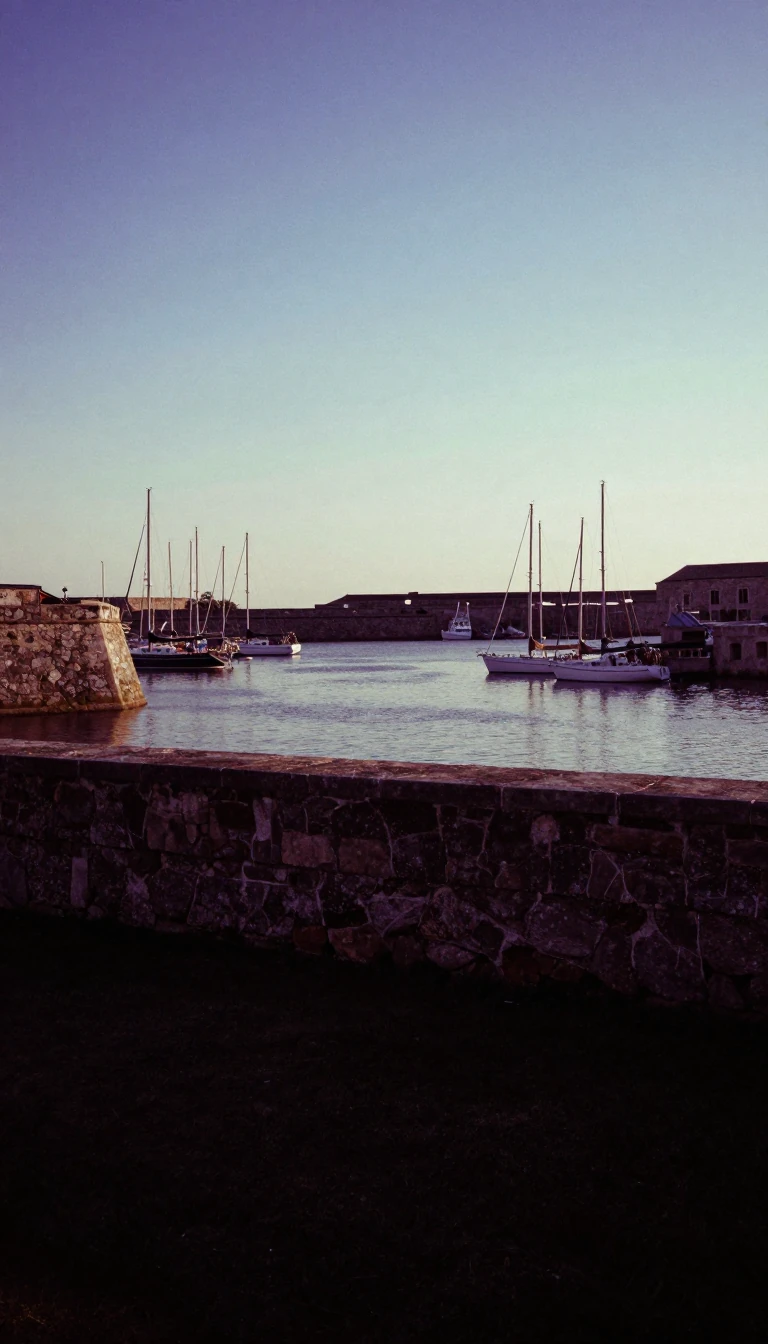
In short: Perched above English Harbour, Shirley Heights was once the defensive backbone of Antigua. Built in the 1780s to thwart French aggression, this sprawling military compound housed hundreds of soldiers. Today, the ruins have been transformed, shifting from a site of colonial fortification to a vibrant hub for local community gatherings.
The origins of Shirley Heights trace back to 1781, when Governor Thomas Shirley identified the need to fortify the high ground overlooking English Harbour. Construction began in 1788, with the local government funding the project until 1790. When local support ceased, the British government assumed financial responsibility, driven by the persistent threat of French naval incursions. Between 1781 and 1825, the site expanded to include over 50 distinct structures, ranging from barracks and powder magazines to a signal station and cemetery.
The strategic importance of the site was tested in 1803, when a force of 700 men aboard 13 schooners attempted an attack from Guadeloupe. The assault failed, marking the only time the French attempted to strike Antigua. Following Napoleon's defeat in 1814, the military necessity of the compound began to wane. Despite this, the site remained active for decades; the 86th Regiment garrisoned Fort Shirley in the 1830s, followed by 180 soldiers of the 36th Foot in 1833. The final regiment departed for Trinidad in 1854.
The site's history took a curious turn in the 1920s, when some facilities were repurposed as an asylum. As the structures fell into ruin, the late 20th century brought a shift toward preservation. In 1984, the area was incorporated into Nelson's Dockyard National Park, and by 2016, it gained international recognition as part of a UNESCO World Heritage Site. Today, the legacy of the site is maintained through stabilization efforts, such as the 2010 and 2011 work on the Blockhouse, and through the popular Sunday events at the restored lookout restaurant.
The evolution of Shirley Heights reflects broader shifts in Caribbean history, moving from colonial military dominance to the preservation of heritage. By protecting the naval dockyard, the site played a critical role in maintaining British influence in the region. Now, it serves as a bridge between the past and the present, where the remnants of 18th-century military architecture provide a backdrop for modern cultural life.
Opens the Intellect+ feed with this card first. Swipe up for the next one.
Sources
- Summary by Intellect · source: Shirley Heights, Antigua and Barbuda
To cite this card, link to https://intellectplus.co.uk/app/places-shirley-heights-antigua-and-barbuda.
How we source, check and correct cards: Editorial standards.
General information, not professional advice. Spotted an error? Flag the card or see corrections and complaints.
Intellect Plus is a visual educational discovery platform for exploring fascinating facts and ideas. Brain Food, Not Brain Rot. What is Intellect Plus?
Related
More in World Heritage Sites · More in Countries & Cities · Latest · A–Z · All topics
