A lost Neolithic civilization built the world's earliest large-scale water management system
In short: Deep in China's Yangtze River basin, the Liangzhu culture flourished 5,000 years ago. This sophisticated society constructed a massive walled city and an intricate network of dams and canals to control floods. Though they eventually vanished due to climate change, their mastery of jade and engineering remains a marvel.
The Liangzhu site, located in Hangzhou, China, represents a prehistoric urban society that thrived between approximately 3300 and 2300 BCE. Initially identified in 1936 by Shi Xingeng, the area was later recognized as a distinct culture in 1959. It was not until 2006 that excavations confirmed the presence of a vast, walled ancient city, serving as a political and spiritual hub for the region.
Central to the city's survival was an extensive hydraulic system, the oldest of its kind discovered globally. This project included high dams, levees, and reservoirs designed to manage water for irrigation and flood control. The city itself featured a complex 'triple city' layout, with a palatial compound at Mojiaoshan built on an artificial mound. Elite cemeteries, such as Fanshan, have yielded thousands of sophisticated jade artifacts, including the famous 'King of Cong,' which highlight the society's intense social stratification and religious focus.
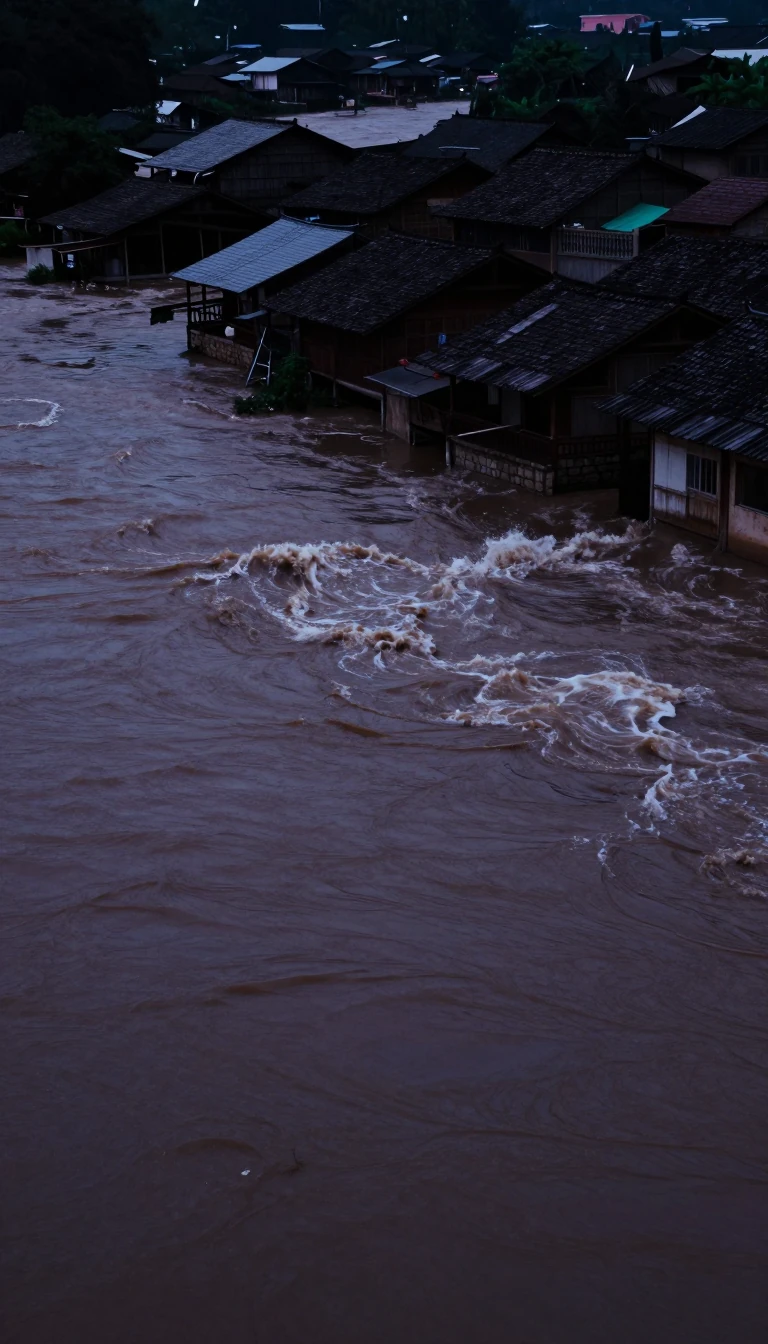
The civilization eventually collapsed as extensive flooding, driven by climate change, overwhelmed their infrastructure. Today, the ruins are a UNESCO World Heritage Site, recognized for their role in the early development of Chinese civilization. The site continues to provide insights into Neolithic life, with ongoing research and museum exhibitions preserving the legacy of a culture that once dominated the Yangtze basin.
While the Liangzhu culture is now well-documented, its discovery was gradual. Early jade finds in the 1930s were initially misattributed to later dynasties. It took decades of excavations across Hangzhou, Wuxi, and Huzhou to distinguish Liangzhu from the Longshan culture. Today, the site is managed as a national park, bridging the gap between ancient archaeological evidence and modern public understanding.
Opens the Intellect+ feed with this card first. Swipe up for the next one.
Sources
- Summary by Intellect · source: Archaeological ruins of Liangzhu City
To cite this card, link to https://intellectplus.co.uk/app/places-archaeological-ruins-of-liangzhu-city.
How we source, check and correct cards: Editorial standards.
General information, not professional advice. Spotted an error? Flag the card or see corrections and complaints.
Intellect Plus is a visual educational discovery platform for exploring fascinating facts and ideas. Brain Food, Not Brain Rot. What is Intellect Plus?
Related
More in World Heritage Sites · More in Countries & Cities · Latest · A–Z · All topics
