How a Phoenician trading post became a jewel of the Roman world in Libya
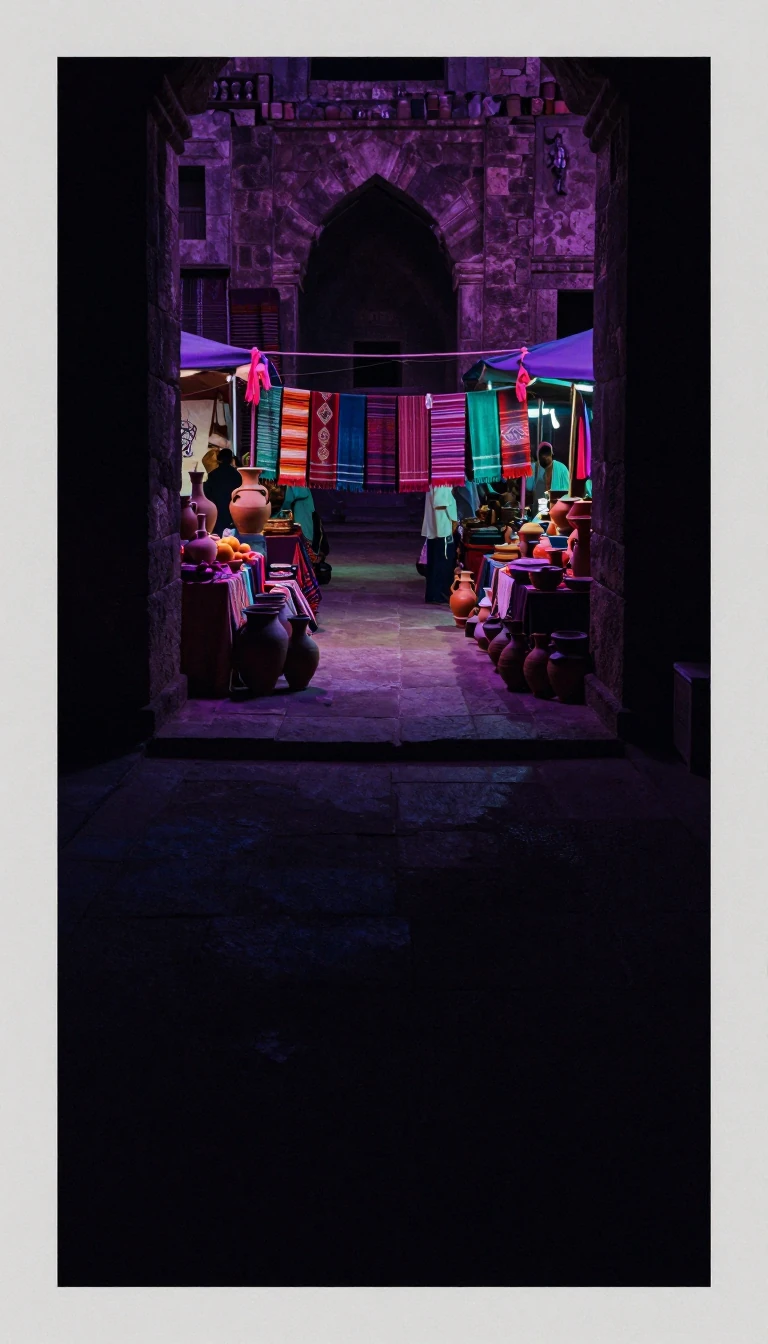
In short: Perched on the Libyan coast, Sabratha evolved from a modest Phoenician trading outpost into a thriving Roman metropolis. Though it eventually faded following the arrival of the Arabs, its ruins remain a testament to centuries of Mediterranean commerce and architectural ambition, standing today as a major classical site alongside Leptis Magna.
Founded by Phoenician settlers between the sixth and fifth centuries B.C., Sabratha originally served as a vital gateway for goods flowing from the African hinterland. Its strategic location 40 kilometers west of modern Tripoli allowed it to flourish as a commercial hub. The city later fell under the control of the Numidian Kingdom of Massinissa, marking a transitional phase before it was fully Romanized.
The city reached its architectural zenith during the second and third centuries A.D., when it was extensively rebuilt. This period of prosperity defined the site's character, leaving behind the impressive ruins that visitors encounter today. However, the city's fortunes shifted after the seventh century A.D., when the arrival of the Arabs led to its eventual decline. Unlike some other ancient centers, Sabratha did not maintain its prominence long after this transition.
Modern interest in the site began in 1926 during the Italian colonial period, which initiated the systematic uncovering of the town's heart. Following the conclusion of the Second World War, a British expedition conducted three additional seasons of archaeological work under the British Military Administration. These efforts were crucial in revealing the scale of the ancient city to the contemporary world.
Despite its historical significance, Sabratha has faced modern threats. In 2015, the site was identified as endangered by ISIS, and it subsequently sustained damage during armed conflict in 2017. Today, it is recognized as a UNESCO World Heritage site, serving as a critical link to understanding the complex history of North Africa's classical past, alongside its counterpart, Leptis Magna.
Opens the Intellect+ feed with this card first. Swipe up for the next one.
Sources
- Summary by Intellect · source: Archaeological Site of Sabratha
To cite this card, link to https://intellectplus.co.uk/app/places-archaeological-site-of-sabratha.
How we source, check and correct cards: Editorial standards.
General information, not professional advice. Spotted an error? Flag the card or see corrections and complaints.
Intellect Plus is a visual educational discovery platform for exploring fascinating facts and ideas. Brain Food, Not Brain Rot. What is Intellect Plus?
Related
More in World Heritage Sites · More in Countries & Cities · Latest · A–Z · All topics
