Misrata: The ancient Phoenician trading post that became Libya's modern economic powerhouse
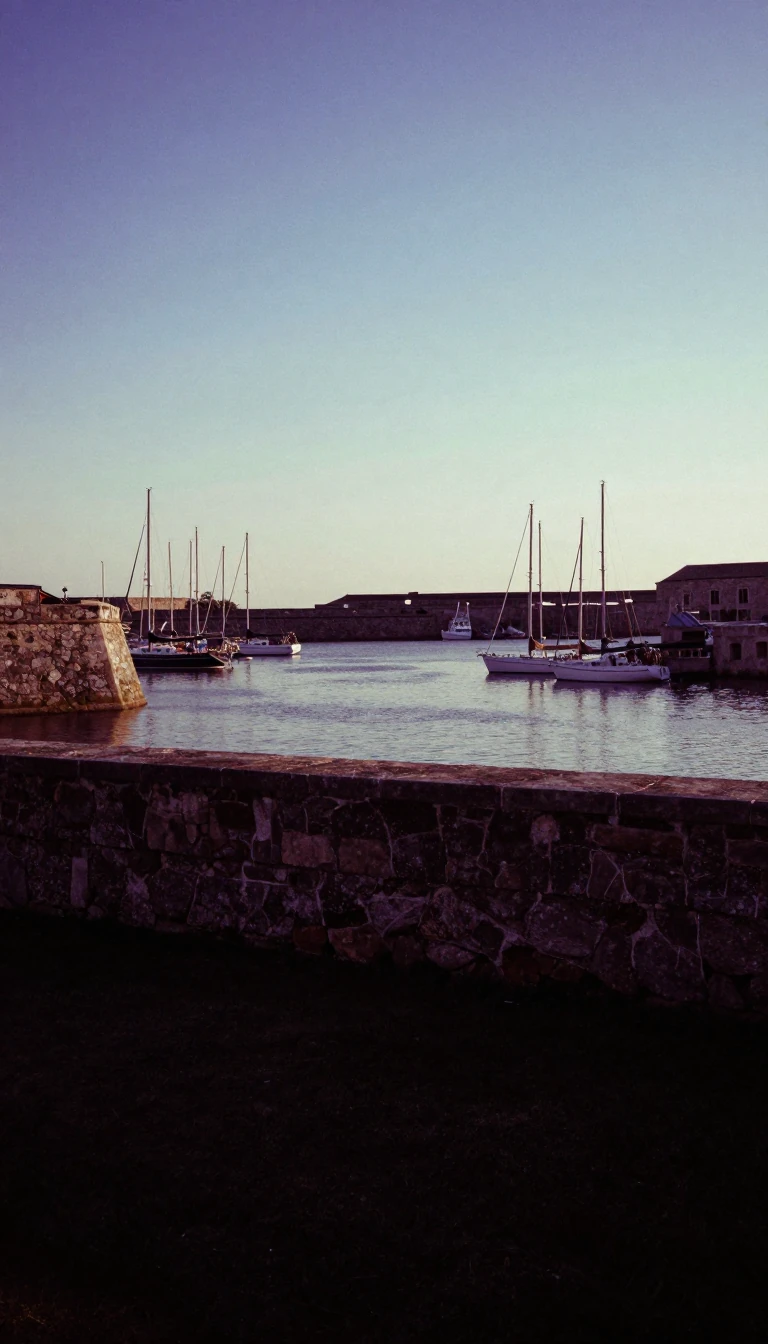
In short: Located 187 km east of Tripoli, Misrata has evolved from a Phoenician commercial station into Libya's third-largest city. Known for its business-oriented culture, the city serves as a vital industrial hub, anchored by its steel mills and a strategic harbor that has defined its prosperity for over 3,000 years.
Founded by the Phoenicians in the 10th century BC, Misrata has long occupied a critical position on the Mediterranean coast. Originally known as Thubactis, the city flourished as a caravan supply center during the Caliphate, connecting Saharan trade routes to the sea. Its unique geography—a mix of fertile coastal land and arid desert—allowed inhabitants to cultivate luxury carpets and agricultural goods, establishing a reputation for commerce that persisted through centuries of Ottoman rule.
The 20th century brought dramatic shifts. Following the Italian invasion in 1912, the city became a focal point of resistance, notably under Ramadan al-Swehli, who briefly established a semi-autonomous administration during World War I. Later, under Italian colonization, the city was redesigned with a modern grid pattern, and subsequent decades saw it transformed by the 1969 coup. The introduction of large-scale iron and steel production in the 1970s triggered rapid urban expansion and migration, cementing Misrata's status as the economic capital of Libya.
Today, Misrata is a cosmopolitan center defined by its dual identity: a historic core of arched streets and traditional souks alongside a modern industrial landscape. Despite the destruction caused during the 2011 uprising, the city remains a hub of education and enterprise. It is home to Misurata University, which has gained regional recognition for academic excellence, and a population that is roughly two-thirds of Turkish descent. As the city continues to rebuild, it remains a testament to the resilience of a community that has navigated centuries of shifting empires and political upheaval.
Opens the Intellect+ feed with this card first. Swipe up for the next one.
Sources
- Summary by Intellect · source: Misrata
To cite this card, link to https://intellectplus.co.uk/app/places-misrata.
How we source, check and correct cards: Editorial standards.
General information, not professional advice. Spotted an error? Flag the card or see corrections and complaints.
Intellect Plus is a visual educational discovery platform for exploring fascinating facts and ideas. Brain Food, Not Brain Rot. What is Intellect Plus?
Related
More in Africa · More in Countries & Cities · Latest · A–Z · All topics
