Once the mother of all cities, why did this ancient hub fade into ruin?
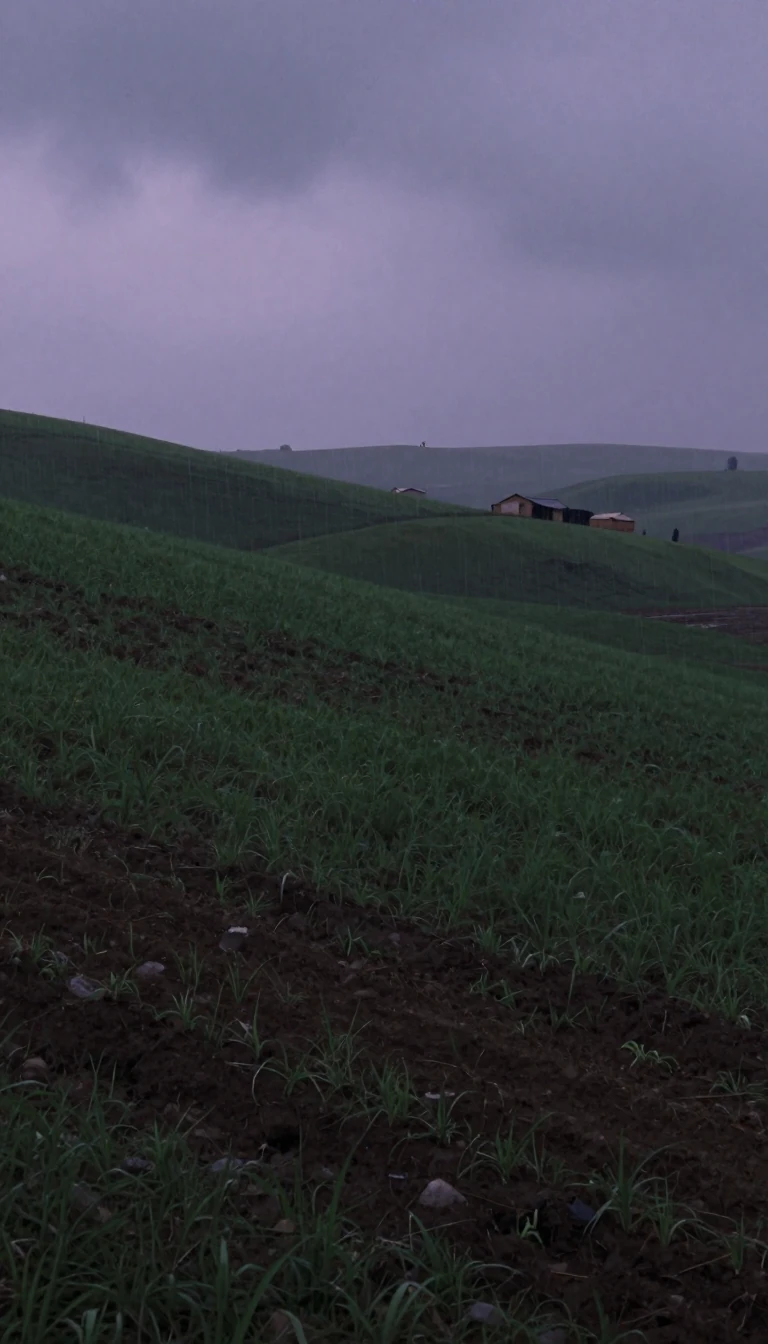
In short: Balkh, an ancient Afghan city, was once a legendary center of Zoroastrianism and Buddhism, famously described by Marco Polo as a noble seat of learning. Despite its historical grandeur and status as a vital trade nexus, repeated invasions and shifting power dynamics eventually reduced this once-thriving metropolis to a collection of ruins.
Known to the ancient Greeks as Bactra and to Persians as Zariaspa, Balkh served as a critical capital for the Greco-Bactrian Kingdom and later Tokharistan. Its origins are shrouded in myth, with some legends attributing its foundation to Keyumars, the first king of the world. Archaeological evidence confirms human settlement as early as the Early Iron Age, between 1500 and 1000 BC, with significant expansion during the Achaemenid period. For centuries, it acted as a central pillar of Zoroastrianism, with traditions suggesting the religion's founder died within its walls.
Balkh also holds a unique place in Buddhist history. It is traditionally cited as the hometown of Trapusa and Bahalika, the first disciples of the Buddha. By the 7th century, the city was a flourishing center of Hinayana Buddhism, hosting roughly 100 convents and 3,000 monks. The Nava Vihara, or New Temple, was a renowned pilgrimage site featuring a massive Buddha statue. However, the city's religious landscape shifted dramatically following the Arab conquests, which began in earnest in the 7th century and led to the eventual destruction of many Buddhist monuments.
The city's decline was accelerated by the Mongol invasion in 1220, when Genghis Khan sacked the settlement and leveled its defenses. Although the city retained a reputation for learning, travelers like Ibn Battuta, who visited around 1333, found it largely dilapidated. Despite its former status as a rival to Babylon and Nineveh, Balkh never fully recovered its prominence, with the nearby town of Mazar-i-Sharif gradually assuming its role as the regional center. Today, the city remains a testament to the volatility of empires, with only remnants of its ancient walls and the Green Mosque surviving as echoes of its storied past.
Opens the Intellect+ feed with this card first. Swipe up for the next one.
Sources
- Summary by Intellect · source: Balkh
- Also: Wikidata — Balkh · CC0
To cite this card, link to https://intellectplus.co.uk/app/places-balkh.
How we source, check and correct cards: Editorial standards.
General information, not professional advice. Spotted an error? Flag the card or see corrections and complaints.
Intellect Plus is a visual educational discovery platform for exploring fascinating facts and ideas. Brain Food, Not Brain Rot. What is Intellect Plus?
Related
More in Countries and other regions · More in Countries & Cities · Latest · A–Z · All topics
