The resilient history of Bam, from ancient silk trade hub to modern agricultural center
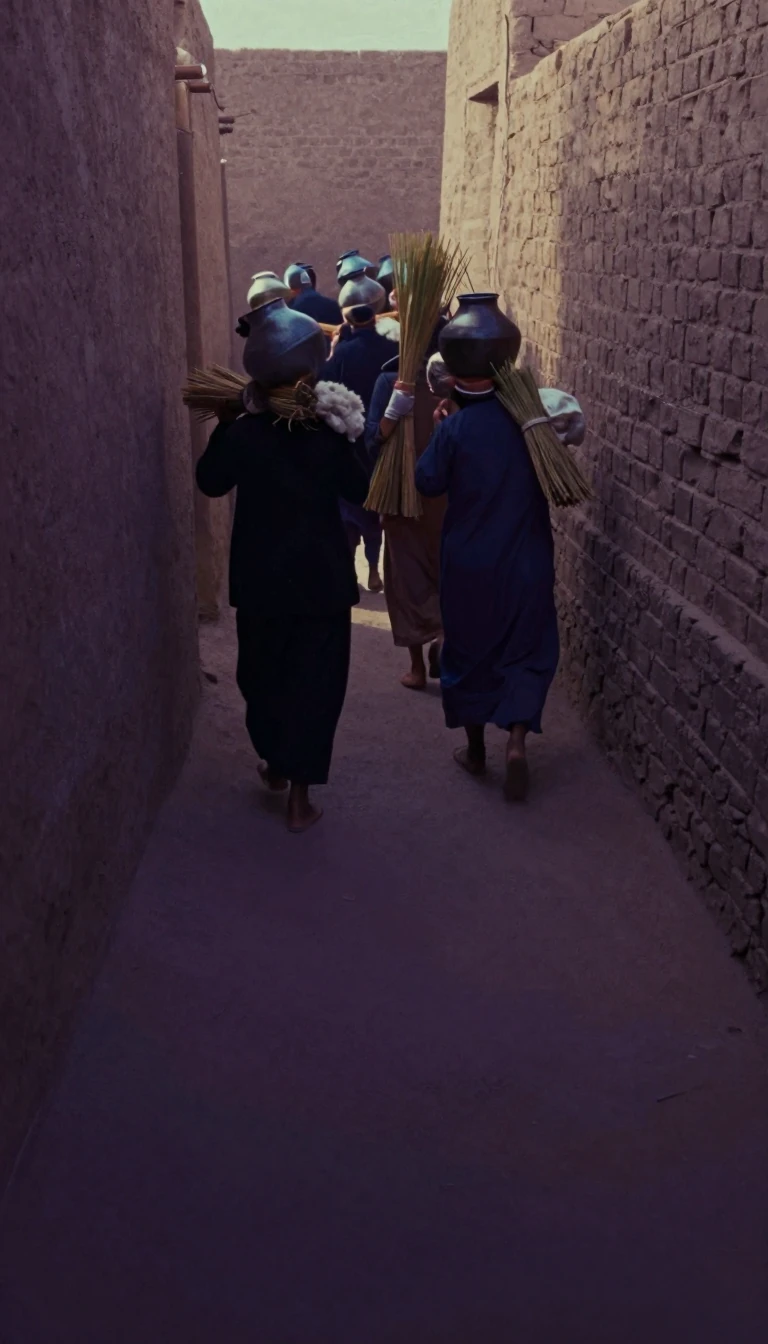
In short: Bam, Iran, is home to an ancient citadel dating back to the Parthian Empire. Once a global hub for textiles and trade, the city has endured invasions, a catastrophic earthquake, and severe sandstorms. Today, it persists as a center for agriculture and education, slowly rebuilding its storied, desert-climate landscape.
The ancient citadel of Arg-e Bam, a UNESCO World Heritage site, serves as the historic heart of the region. Its origins trace back to the Parthian Empire, spanning 248 BC to 224 AD, with significant architectural contributions made during the Safavid dynasty. Historically, the city was a commercial powerhouse, famous for producing high-quality cotton textiles and garments that were exported to markets as far as Egypt and Iraq. The geographer Ibn Hawqal, writing between 943 and 977, noted that these luxury goods were highly valued for their durability and craftsmanship.
The city's trajectory shifted dramatically on 26 December 2003, when a 6.6 magnitude earthquake struck at 01:56 UTC. The disaster was devastating, claiming 26,271 lives and injuring 30,000 more. The high casualty rate was largely attributed to the prevalence of unreinforced brick structures that did not meet the 1989 Iranian earthquake regulations. In the aftermath, the international community responded with aid from 60 countries, and the event briefly thawed diplomatic relations between the United States and Iran, leading to increased monitoring of nuclear interests.
Reconstruction efforts have been complex, involving government-led urban planning that faced criticism from survivors. Despite the 2003 tragedy and a severe 130 km/h sandstorm in 2007, Bam has experienced significant population growth, rising from 73,823 in 2006 to 127,396 by 2016. Today, the city thrives as an agricultural hub, particularly for its Mozafati dates, which are cultivated using traditional qanat irrigation. The citadel itself continues to be restored through collaborative efforts between the Iranian Ministry of Culture and Japanese universities, ensuring that this desert landmark remains a testament to the city's enduring legacy.
Opens the Intellect+ feed with this card first. Swipe up for the next one.
Sources
- Summary by Intellect · source: Bam, Iran
- Also: Wikidata — Bam · CC0
To cite this card, link to https://intellectplus.co.uk/app/places-bam-iran.
How we source, check and correct cards: Editorial standards.
General information, not professional advice. Spotted an error? Flag the card or see corrections and complaints.
Intellect Plus is a visual educational discovery platform for exploring fascinating facts and ideas. Brain Food, Not Brain Rot. What is Intellect Plus?
Related
More in World Heritage Sites · More in Countries & Cities · Latest · A–Z · All topics
