Ecbatana and Beyond: The Ancient Resilience of Iran's Mountainous Hamadan Province
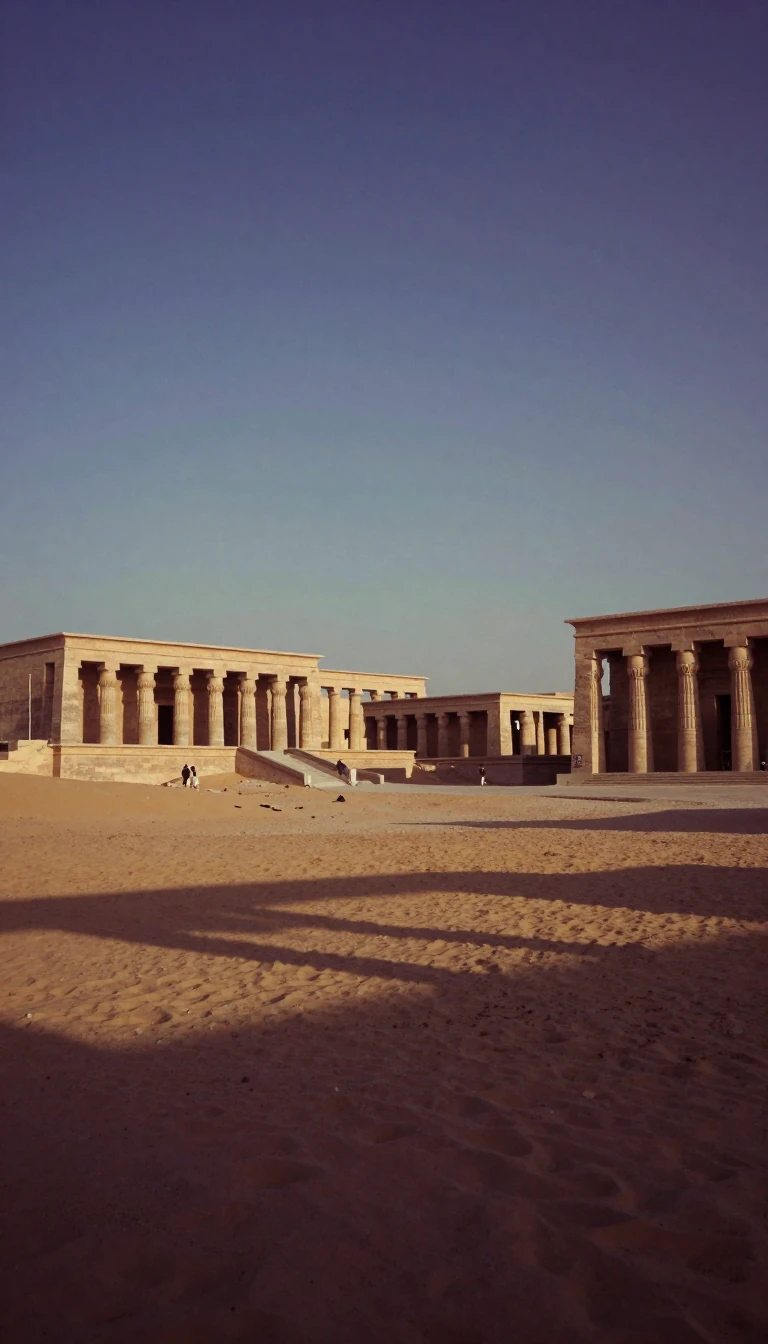
In short: Nestled in the Zagros Mountains, Hamadan province is a living archive of Persian history. From its origins as the legendary Median capital Ecbatana to its role as a strategic Silk Road trade hub, this region has survived centuries of conquest, shifting borders, and extreme mountain climates to remain a vital cultural crossroads.
Hamadan province, covering 19,546 square kilometers in western Iran, is one of the nation's most ancient regions. Its capital, the city of Hamadan, stands atop the ruins of Ecbatana, a site historically linked to the Medes and King Diya Aku around 700 BC. Over millennia, the city served as a summer capital for Parthian and Sassanid rulers, a Seljuk power center, and a significant stop on the Silk Road. Its historical layers are so deep that modern construction often sits directly upon ancient debris, such as the Moṣṣalā mound.
The province's geography is defined by the rugged Zagros range, with Mount Alvand reaching 3,580 meters. This mountainous terrain dictates the region's climate, characterized by long, harsh winters and mild summers. While the province receives above-average rainfall, the seasonal nature of its rivers—like the Talvar and Qarachay—necessitates infrastructure like the Ekbatan Dam, built in 1963, to support local agriculture. This environment also sustains unique ecosystems, including seasonal marshes that host thousands of migratory birds traveling between Siberia and warmer regions.
Culturally, Hamadan is a mosaic of languages and traditions. While Persian serves as the lingua franca, Azerbaijani, Kurdish, Luri, and Laki are spoken across different districts. The province is also a site of religious significance; it houses the tombs of Mordecai and Esther, which remain places of pilgrimage. Despite enduring destruction by the Mongols in 1220 and Timur in 1386, the region has repeatedly revived. Today, it remains a center for trade and craftsmanship, particularly renowned for its rug production, which ranks second only to Kerman carpets in the Iranian market.
Demographically, the province has seen steady urbanization, with over 63% of its population living in cities by 2016. While the region has historically experienced net emigration, it has also served as a refuge, notably during the Iran-Iraq War. With a population that is 99.88% Muslim, the province balances its deep-rooted traditions with modern development, maintaining a distinct identity shaped by its high-altitude landscape and its legacy as a former seat of imperial power.
Opens the Intellect+ feed with this card first. Swipe up for the next one.
Sources
- Summary by Intellect · source: Hamadan province
- Also: Hamadan | City, Meaning, & Map | Britannica
- Also: Wikidata — Hamadan Province · CC0
To cite this card, link to https://intellectplus.co.uk/app/places-hamadan-province.
How we source, check and correct cards: Editorial standards.
General information, not professional advice. Spotted an error? Flag the card or see corrections and complaints.
Intellect Plus is a visual educational discovery platform for exploring fascinating facts and ideas. Brain Food, Not Brain Rot. What is Intellect Plus?
Related
More in Regions and country subdivisions · More in Countries & Cities · Latest · A–Z · All topics
