Amol: The Ancient Iranian City That Once Served as the Capital of the World
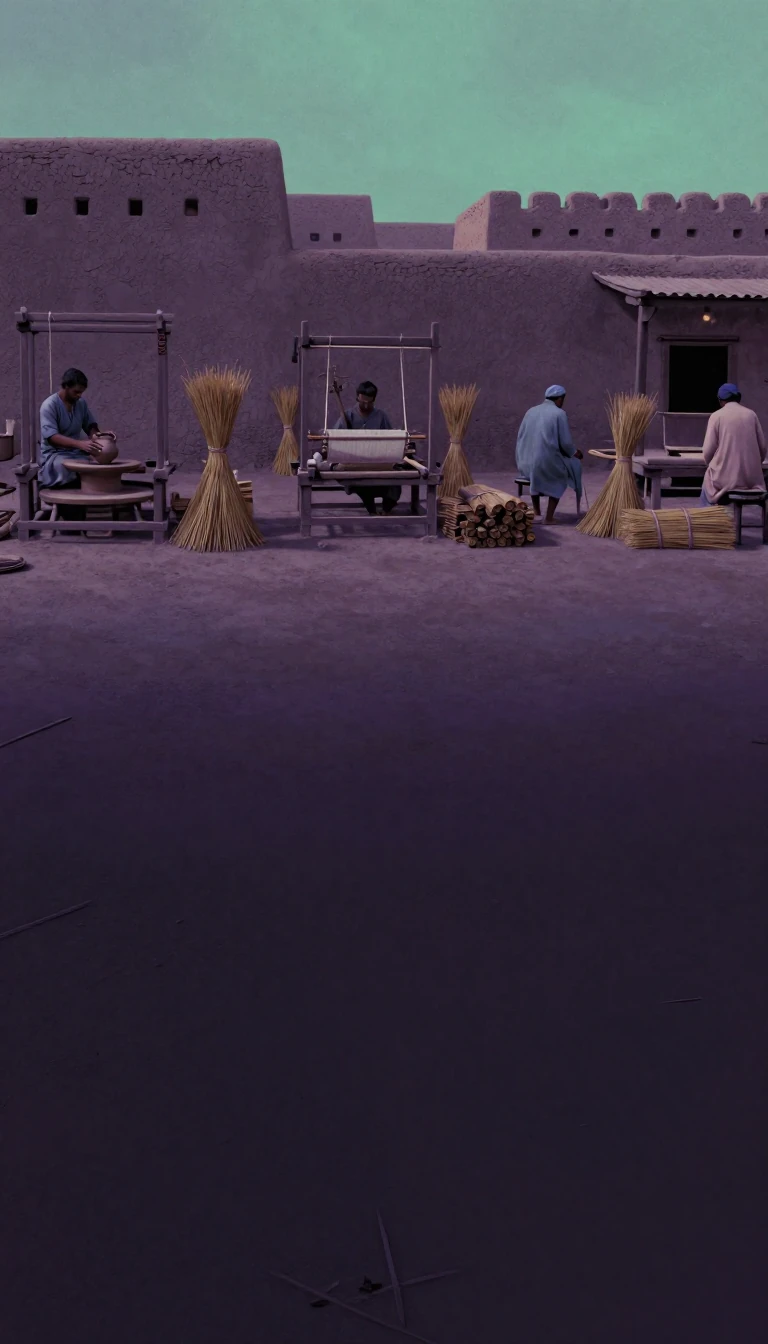
In short: Nestled between the Alborz mountains and the Caspian Sea, Amol is one of Iran's oldest urban centers. Known as the city that does not die, it has survived millennia of invasions, shifting dynasties, and natural disasters to remain a vital hub of industry, culture, and history in the Mazandaran province.
Amol’s origins trace back to the Iron Age, with its foundation attributed to the Amardi tribe. By the 1st millennium BC, the city had already established itself as a significant regional presence. Throughout its long history, Amol served as the capital for numerous dynasties, including the Sassanids, the Bavand, and the Ziyarids. Its strategic location on the Haraz River made it a center for trade and administration, with medieval geographers like Ibn Rawi famously describing it as larger and more prosperous than Isfahan or Qazvin.
The city’s political importance peaked during the Safavid era, particularly under Abbas II, who frequented the city and reportedly hailed it as the capital of the inhabited world. During this period, Amol was a thriving center of commerce, known for its extensive bazaars, sophisticated infrastructure, and production of goods like silk, ceramics, and glass. It was also a seat of intellectual life, hosting prestigious institutions such as the Nizamiyya during the Seljuq Empire and early religious seminaries.
Despite its former glory, Amol’s status shifted over time. Following the Mongol invasion, the region suffered significant devastation, leading to the temporary relocation of the capital to Sari. While the city experienced periods of recovery under the Marashis and later Safavid rulers, it eventually ceded its role as the primary administrative capital of Mazandaran. Today, while surpassed in population by cities like Babol, Amol remains a resilient historical landmark, defined by its enduring legacy as a center of science, philosophy, and ancient Persian heritage.
Opens the Intellect+ feed with this card first. Swipe up for the next one.
Sources
- Summary by Intellect · source: Amol
- Also: Wikidata — Amol · CC0
- Also: Wikidata — Amol · CC0
To cite this card, link to https://intellectplus.co.uk/app/places-amol.
How we source, check and correct cards: Editorial standards.
General information, not professional advice. Spotted an error? Flag the card or see corrections and complaints.
Intellect Plus is a visual educational discovery platform for exploring fascinating facts and ideas. Brain Food, Not Brain Rot. What is Intellect Plus?
Related
More in Asia · More in Countries & Cities · Latest · A–Z · All topics
