Deep in the Indian wilderness, ancient caves hold the world's oldest known rock art.
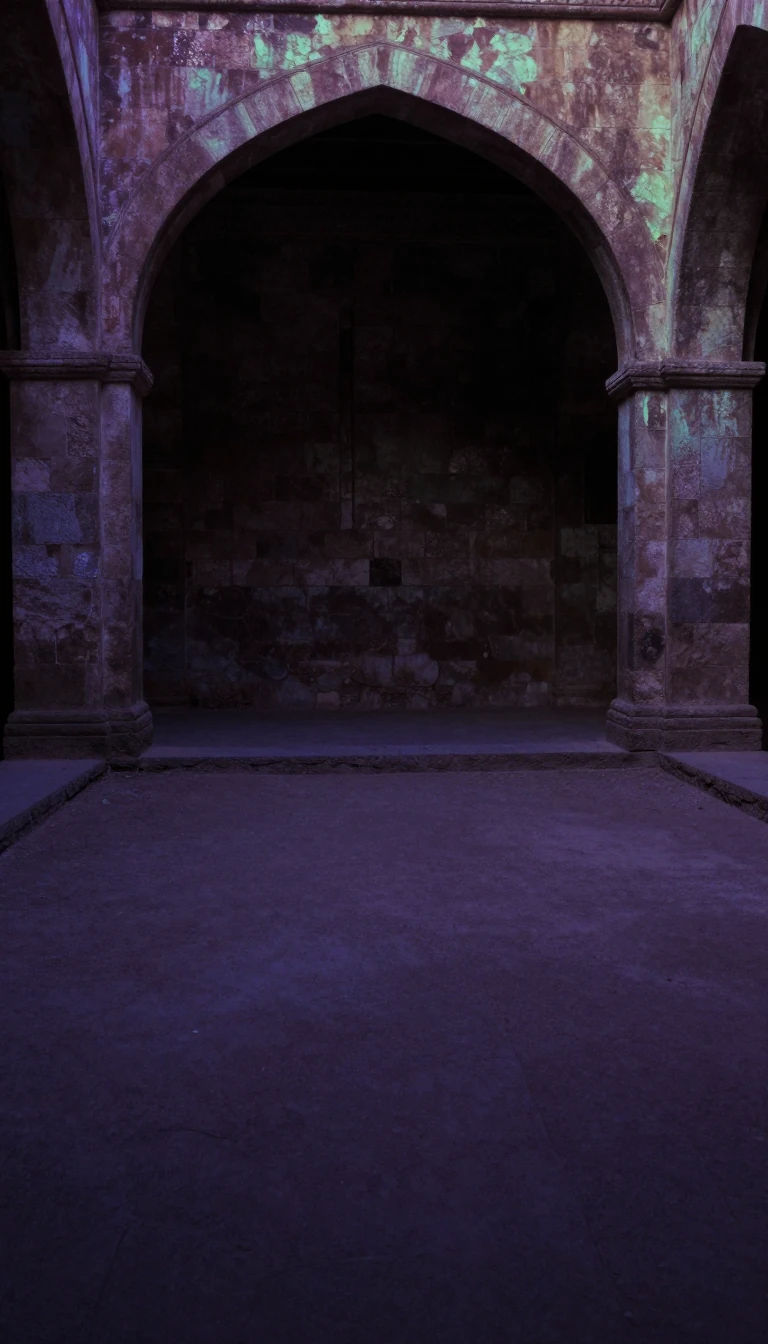
In short: Hidden within the sandstone hills of Madhya Pradesh, the Bhimbetka rock shelters preserve a staggering timeline of human life. From Paleolithic hunter-gatherers to later historic warriors, these caves contain over 750 shelters and thousands of years of artistic expression, offering a rare, vivid window into the evolution of prehistoric society.
Located 45 kilometres south-east of Bhopal, the Bhimbetka site is a vast complex of seven hills embedded in the Vindhya Range. While local tradition links the name to Bhima, a hero of the Mahabharata, the site's true archaeological significance remained largely unknown until 1957. It was then that archaeologist V. S. Wakankar, struck by the site's resemblance to European rock art, led a team to document its prehistoric treasures. Today, the area is protected as a UNESCO World Heritage Site, encompassing 1,892 hectares of history.
The site serves as a continuous record of human settlement from the Stone Age through the late Mesolithic period. Excavations have unearthed artifacts, pigments, and the world's oldest stone walls and floors. Among the 750 shelters, the 'Auditorium' cave stands out for its cathedral-like scale and cross-shaped plan. These spaces are adorned with paintings that span seven distinct periods, ranging from linear green depictions of dancers to complex scenes of tribal warfare, animal totems, and eventually, riders on horseback carrying metal weapons.
The longevity of these paintings is attributed to their placement deep within niches or on inner walls, protecting them from the elements. While some early interpretations of the site were controversial—such as the misidentification of decayed beehive remnants as Ediacaran fossils—the site remains a cornerstone of archaeological study. Researchers like Yashodhar Mathpal have meticulously cataloged the diverse fauna depicted, from sloth bears and rhinoceroses to domesticated dogs, providing a detailed look at the environment and daily life of early inhabitants.
The evolution of the art reflects a transition from nomadic hunting and gathering to contact with agricultural communities in the Malwa plains. By the medieval period, the style shifted toward geometric, schematic forms. Despite the erosion of an estimated 100 shelters, Bhimbetka remains one of the largest and most significant prehistoric complexes in the world, offering an unparalleled narrative of cultural and artistic development over tens of thousands of years.
Opens the Intellect+ feed with this card first. Swipe up for the next one.
Sources
- Summary by Intellect · source: Bhimbetka rock shelters
- Also: Wikidata — Bhimbetka rock shelters · CC0
To cite this card, link to https://intellectplus.co.uk/app/places-bhimbetka-rock-shelters.
How we source, check and correct cards: Editorial standards.
General information, not professional advice. Spotted an error? Flag the card or see corrections and complaints.
Intellect Plus is a visual educational discovery platform for exploring fascinating facts and ideas. Brain Food, Not Brain Rot. What is Intellect Plus?
Related
More in World Heritage Sites · More in Countries & Cities · Latest · A–Z · All topics
