The ancient rock-cut temples of Elephanta Island are a masterpiece of Hindu stone artistry.
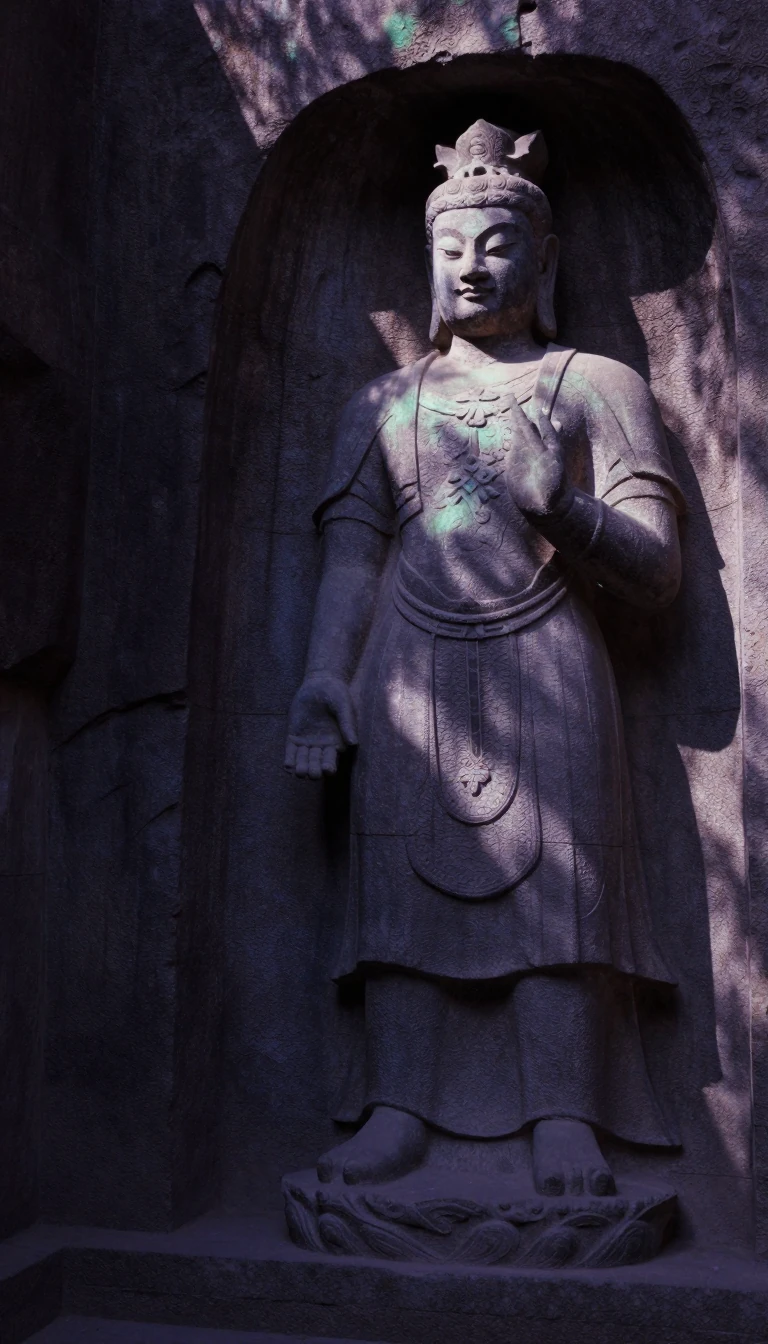
In short: Hewn from solid basalt, the Elephanta Caves house colossal sculptures narrating Hindu legends. Though heavily damaged by colonial-era vandalism, these 6th-century masterpieces remain a profound testament to the syncretism of Hindu and Buddhist ideas, featuring the iconic three-faced Trimurti Shiva as the centerpiece of a sophisticated mandala-patterned temple complex.
Located on Elephanta Island in Mumbai Harbour, these cave temples—predominantly dedicated to Shiva—were carved into basalt rock between the 5th and 9th centuries CE, with most scholars dating their completion to about 550 CE. The site, designated a UNESCO World Heritage Site, features five Hindu caves on the western hill and two Buddhist caves on the eastern hill. The Great Cave, or Cave 1, is the most significant, spanning 39 metres in depth and showcasing a complex architectural plan that integrates a square Linga shrine within a larger hall of pillars.
The caves are renowned for their high-relief sculptures, most notably the 7-metre-tall Trimurti Sadashiva. This masterpiece depicts a three-headed Shiva representing the essential aspects of creation, protection, and destruction. Other significant carvings include the Ardhanarishvara, illustrating the interdependence of masculine and feminine energies, and the Nataraja, showing Shiva as the cosmic dancer. These friezes reflect the vyaktavyakta concept, where figures appear to emerge from the rock walls to greet the viewer, bridging the gap between the manifest and unmanifest spiritual states.
The history of the site is marked by both religious devotion and significant destruction. While the caves served as active Hindu places of worship, the arrival of the Portuguese in the colonial era led to the cessation of religious activity and widespread defacement of the sculptures. Many figures, including the eight dvarapalas guarding the central shrine, suffered severe damage during this period. Restoration efforts began under British officials in 1909 and continued under the Indian government in the 1970s. Today, the Archaeological Survey of India maintains the site, which remains a protected monument area.
The island itself, formed by volcanic activity 66 to 65 million years ago, provides a dramatic setting for these temples. The layout of the Great Cave is unusual for a Shiva shrine, as its main entrance faces north rather than the traditional east-west orientation, though the internal Linga shrine is aligned to the sunrise. This fusion of architectural styles and the intricate narrative carvings continue to offer scholars deep insights into the Puranic traditions and the evolution of Hindu iconography in early medieval India.
Opens the Intellect+ feed with this card first. Swipe up for the next one.
Sources
- Summary by Intellect · source: Elephanta Caves
- Also: Wikidata — Elephanta Caves · CC0
To cite this card, link to https://intellectplus.co.uk/app/places-elephanta-caves.
How we source, check and correct cards: Editorial standards.
General information, not professional advice. Spotted an error? Flag the card or see corrections and complaints.
Intellect Plus is a visual educational discovery platform for exploring fascinating facts and ideas. Brain Food, Not Brain Rot. What is Intellect Plus?
Related
More in World Heritage Sites · More in Countries & Cities · Latest · A–Z · All topics
