The ancient Indian cliffside that houses three religions in one massive stone complex
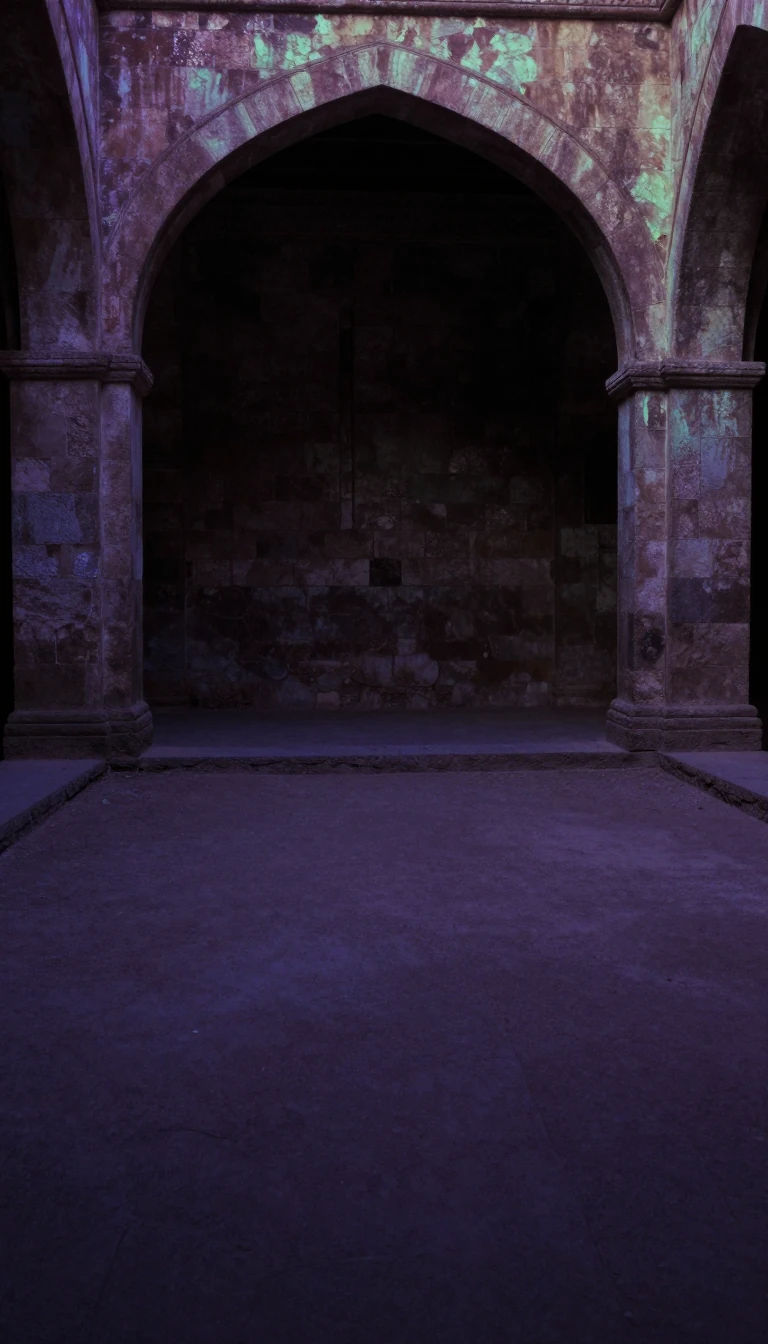
In short: Carved directly into the basalt cliffs of the Charanandri Hills, the Ellora Caves represent a monumental feat of ancient engineering. Spanning over 100 excavations, this UNESCO World Heritage site features a harmonious blend of Hindu, Buddhist, and Jain temples, showcasing the religious diversity and artistic mastery of medieval India.
Located in Maharashtra, India, the Ellora site contains 34 publicly accessible monuments carved from volcanic rock during the Cretaceous period. These structures were built between 600 and 1000 CE, with construction spanning the Rashtrakuta and Yadava dynasties. While often called caves, many are actually open-air architectural marvels, including monasteries and elaborate prayer halls that served as both spiritual centers and vital commercial hubs along ancient trade routes.
The site’s centerpiece is the Kailash temple, or Cave 16, a monolithic chariot-shaped monument dedicated to Shiva. This massive structure required the removal of approximately 200,000 tons of basalt, resulting in a temple complex that occupies double the footprint of the Parthenon in Athens. Its intricate relief panels depict major Hindu epics, demonstrating the sophisticated sculptural capabilities of the artisans who worked under royal and merchant patronage.
The complex serves as a historical record of religious coexistence, housing 17 Hindu, 12 Buddhist, and 5 Jain caves. The Buddhist phase, lasting roughly from 600 to 730 CE, includes multi-storeyed monasteries and the Vishvakarma cave, which mimics wooden architecture in stone. Meanwhile, the Jain caves, excavated from the 9th to the 13th century, emphasize the 24 Tirthankaras. Scholars note that the overlapping styles and shared architectural motifs suggest that the same guilds of architects and laborers may have contributed to the development of these disparate religious spaces.
Modern research continues to refine the chronology of these structures, moving away from older theories that prioritized Buddhist construction. Today, the site is protected by the Archaeological Survey of India, standing as a testament to the Deccan region's historical significance. From the dancing Indras of the Jain caves to the colossal seated Buddha of Cave 10, Ellora remains a profound example of how ancient civilizations transformed natural volcanic formations into enduring expressions of faith and culture.
Opens the Intellect+ feed with this card first. Swipe up for the next one.
Sources
- Summary by Intellect · source: Ellora Caves
- Also: Wikidata — Ellora Caves · CC0
- Also: Wikidata — Ellora Caves · CC0
To cite this card, link to https://intellectplus.co.uk/app/places-ellora-caves.
How we source, check and correct cards: Editorial standards.
General information, not professional advice. Spotted an error? Flag the card or see corrections and complaints.
Intellect Plus is a visual educational discovery platform for exploring fascinating facts and ideas. Brain Food, Not Brain Rot. What is Intellect Plus?
Related
More in World Heritage Sites · More in Countries & Cities · Latest · A–Z · All topics
