Bibimbap is a centuries-old Korean culinary tradition born from necessity and ancestral rites.
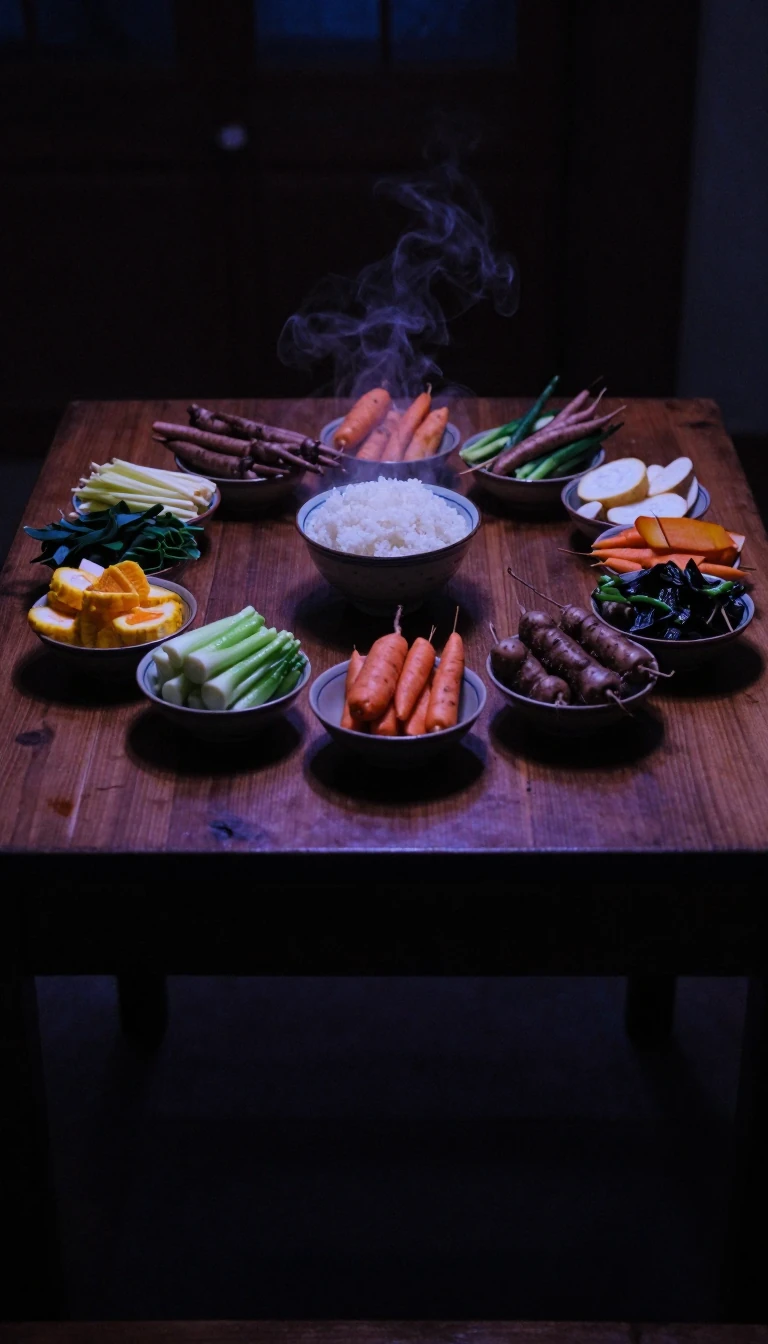
In short: Literally meaning mixed rice, bibimbap is far more than a simple bowl of leftovers. From its origins in ancient rituals to its modern status as a global symbol of Korean culture, this dish balances seasonal vegetables, seasoned meat, and spicy gochujang in a vibrant, harmonious display of culinary ingenuity.
The exact origins of bibimbap remain a mystery, though scholars suggest it evolved from traditional ancestral rites known as jesa. During outdoor ceremonies, such as those for mountain or village gods, participants often lacked the extensive kitchenware required for a formal meal. To simplify, they combined rice with various side dishes in a single bowl, a practice that allowed them to eat alongside the divine. This pragmatic approach was mirrored in the daily lives of farmers, who utilized the dish to feed large groups efficiently during busy agricultural seasons.
Historical records trace the dish through various names in hanja texts, beginning with hondon-ban in the late 16th century. By the 19th century, the dish appeared in encyclopedias under names like goldong-ban and bubaeban. While once a humble solution for clearing out leftover side dishes before the lunar new year, bibimbap also found its way to the royal table as a lunch or snack. Regional variations emerged across Korea, with cities like Jeonju, Jinju, and Pyongyang developing distinct styles that incorporated local ingredients ranging from raw beef to medicinal herbs.
The 20th century introduced the iconic dolsot-bibimbap, served in a sizzling stone pot to keep the meal warm and create a crispy rice layer known as nurungji. Attributed to Namgung Seong in 1969, this innovation spread from Jeonju to Seoul and eventually internationally. By the late 20th century, the globalization of Korean culture propelled bibimbap onto airline menus and into airport restaurants worldwide. Today, it stands as a versatile culinary icon, celebrated for its simplicity, affordability, and the deliberate, colorful arrangement of ingredients that makes it a visual masterpiece.
Opens the Intellect+ feed with this card first. Swipe up for the next one.
Sources
- Summary by Intellect · source: Bibimbap
- Also: Wikidata — bibimbap · CC0
To cite this card, link to https://intellectplus.co.uk/app/places-bibimbap.
How we source, check and correct cards: Editorial standards.
General information, not professional advice. Spotted an error? Flag the card or see corrections and complaints.
Intellect Plus is a visual educational discovery platform for exploring fascinating facts and ideas. Brain Food, Not Brain Rot. What is Intellect Plus?
Related
More in Countries and other regions · More in Countries & Cities · Latest · A–Z · All topics
