Is Korea's iconic seaweed rice roll a colonial import or an ancient local tradition?
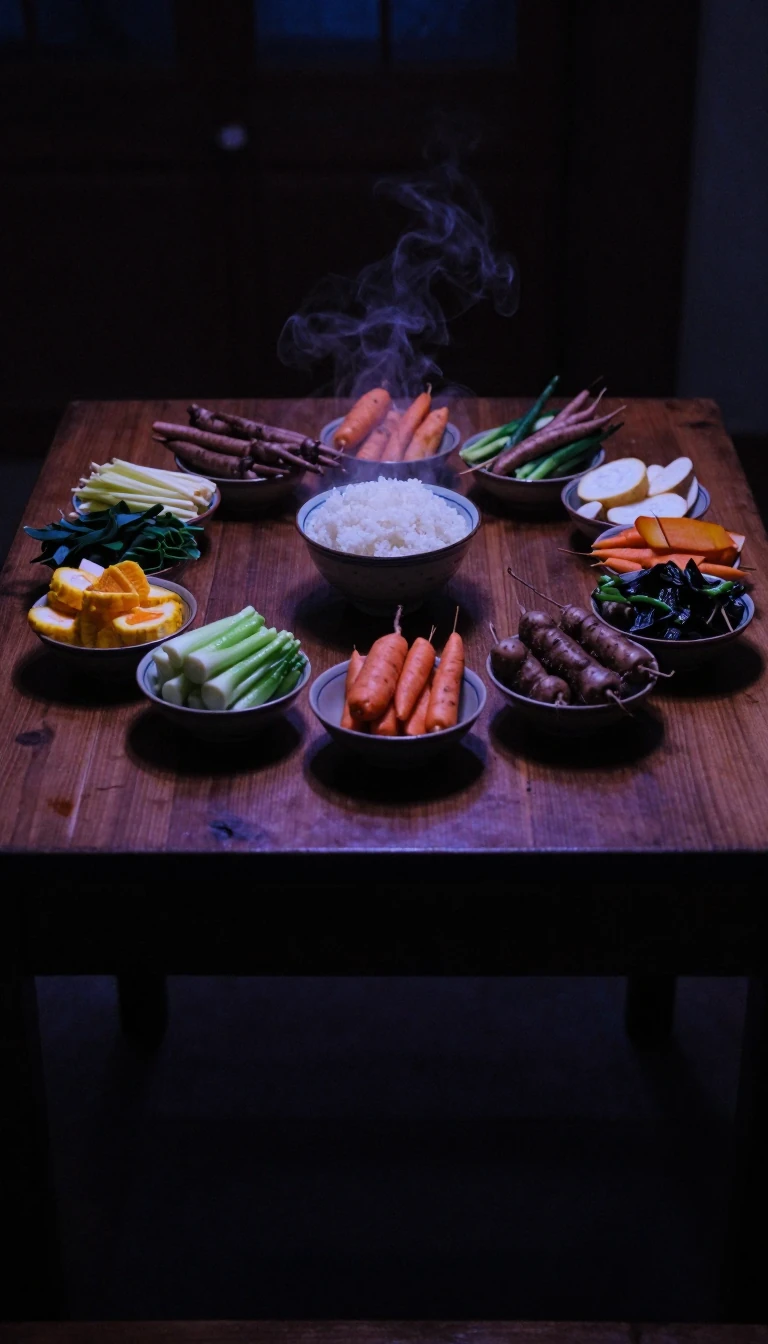
In short: Gimbap is a staple of Korean cuisine, yet its origins remain a subject of intense debate. While often linked to the Japanese norimaki introduced during the colonial era, others point to centuries-old Korean customs of wrapping rice in seaweed. Today, this humble picnic food has evolved into a global phenomenon.
The identity of gimbap is caught between two competing narratives. The most widely cited theory suggests the dish emerged during the Japanese occupation of Korea (1910–1945), influenced by the Japanese makizushi. This view is bolstered by the first recorded use of the term 'gimbap' in a 1935 newspaper, which appeared alongside the Japanese loanword 'norimaki'. Over time, the term 'gimbap' was intentionally adopted to replace 'norimaki' as part of a broader movement to purge Japanese colonial remnants from the Korean language.
Conversely, scholars from the Academy of Korean Studies argue that gimbap evolved from indigenous Korean practices. Historical texts from the fifteenth century document the production of gim, or edible seaweed, in the Gyeongsang and Jeolla provinces. Furthermore, the 1819 Joseon-era book Yŏryang Sesigi describes a dish called bokssam, which involved wrapping cooked rice and side dishes in seaweed. Proponents of this theory view gimbap as a distinct evolution of these long-standing local traditions rather than a direct copy of a foreign import.
Regardless of its origins, gimbap has developed a unique culinary profile that sets it apart from its potential Japanese counterparts. While norimaki is typically seasoned with rice vinegar and sugar, gimbap relies on the distinct flavors of sesame oil and salt. The dish is incredibly versatile, featuring fillings ranging from danmuji and bulgogi to modern plant-based alternatives. This adaptability has fueled its recent international surge, exemplified by the 2023 rapid sell-out of frozen gimbap at American retailers, which utilized advanced moisture-control technology to reach new global markets.
Opens the Intellect+ feed with this card first. Swipe up for the next one.
Sources
- Summary by Intellect · source: Gimbap
To cite this card, link to https://intellectplus.co.uk/app/food-gimbap.
How we source, check and correct cards: Editorial standards.
General information, not professional advice. Spotted an error? Flag the card or see corrections and complaints.
Intellect Plus is a visual educational discovery platform for exploring fascinating facts and ideas. Brain Food, Not Brain Rot. What is Intellect Plus?
Related
More in Cooking, food and drink · More in Food & Drink · Latest · A–Z · All topics
