Why this ancient blood sausage became a symbol of regional pride and rivalry
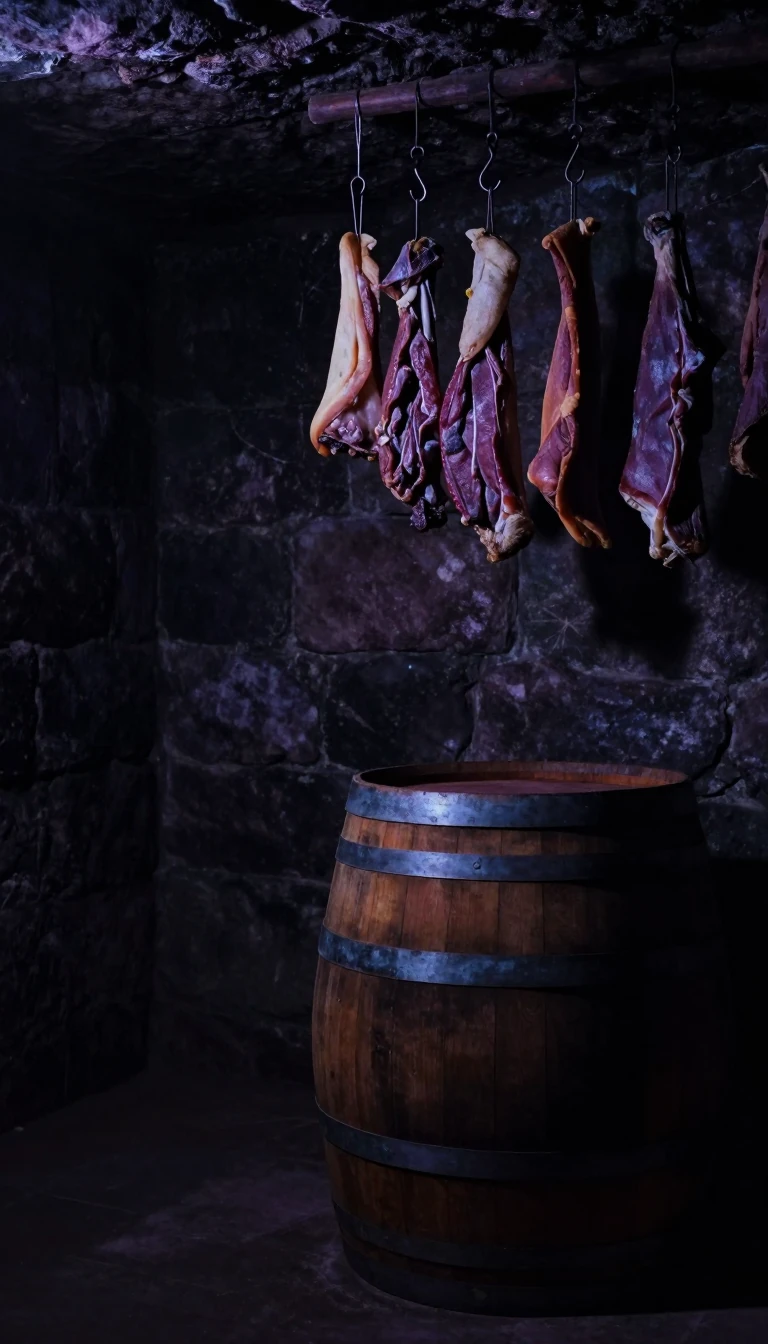
In short: Long before it was a breakfast staple, black pudding was a practical solution to the problem of spoiling blood after slaughter. This humble sausage, once a noble delicacy made from porpoise, has evolved into a regional icon with its own protected status, competitive championships, and surprisingly diverse culinary applications.
Black pudding is among the oldest forms of sausage, originating as a way to preserve blood, which spoils rapidly after an animal is slaughtered. While modern versions typically rely on pork blood, historical recipes were far more varied. A 15th-century English recipe even utilized porpoise blood for a dish reserved for the nobility, while Scottish records from the 19th century frequently cited cow or sheep blood as the standard base. The name itself traces back to the French boudin and the Latin botellus, meaning small sausage.
The production of black pudding was historically tied to Martinmas, the time of the annual livestock slaughter. By the 19th century, manufacturing shifted toward towns with large pork markets, such as Stretford and Cork. Unlike Continental blood sausages, the British and Irish varieties are distinguished by a high proportion of cereal—usually oatmeal, oat groats, or barley—which acts as a thickener. Regional variations remain significant, with butchers often employing unique spice blends like pennyroyal, marjoram, or thyme. Today, the Stornoway black pudding in Scotland and the Sneem Black Pudding in County Kerry hold Protected Geographical Indication status.
Beyond the breakfast plate, black pudding has cemented its place in cultural lore. In Ramsbottom, the annual World Black Pudding Throwing Championships, established in the 1980s, pits participants against one another in a humorous display of the historic Lancashire-Yorkshire rivalry. While some modern chefs experiment with black pudding ice cream or use it to accompany scallops, the product remains a nutritional paradox: it is a protein-rich source of iron and zinc, yet often contains high levels of saturated fat and salt. Whether served boiled as a meal in the Black Country or deep-fried in a Scottish chip shop, this ancient foodstuff continues to adapt to contemporary tastes.
Opens the Intellect+ feed with this card first. Swipe up for the next one.
Sources
- Summary by Intellect · source: Black pudding
- Also: Wikidata — black pudding · CC0
- Also: Wikidata — Black Pudding · CC0
To cite this card, link to https://intellectplus.co.uk/app/places-black-pudding.
How we source, check and correct cards: Editorial standards.
General information, not professional advice. Spotted an error? Flag the card or see corrections and complaints.
Intellect Plus is a visual educational discovery platform for exploring fascinating facts and ideas. Brain Food, Not Brain Rot. What is Intellect Plus?
Related
More in UK & Ireland: places · More in Countries & Cities · Latest · A–Z · All topics
