Why hundreds of thousands of people walk hundreds of miles to a Spanish cathedral.
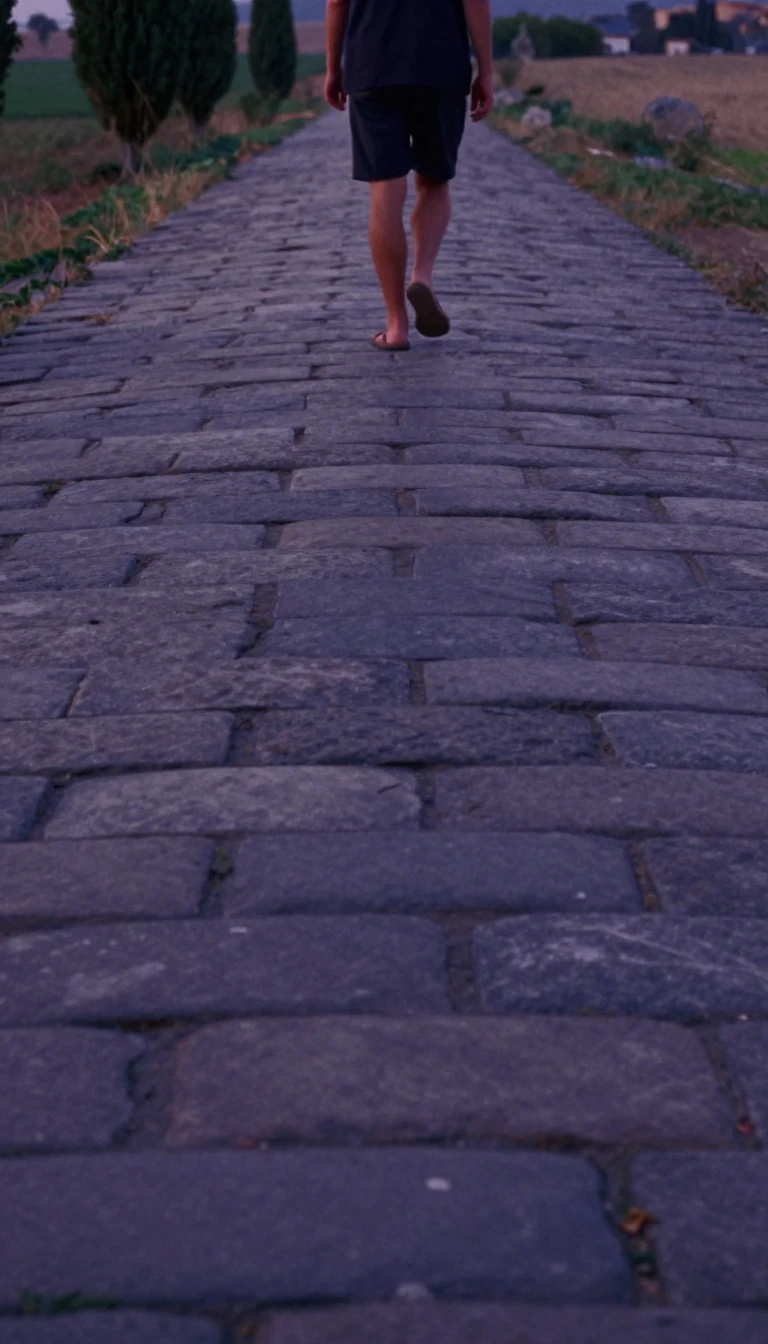
In short: The Camino de Santiago is a vast network of ancient routes leading to the shrine of St. James in Galicia. Once a medieval penance for serious crimes, this pilgrimage has evolved into a global phenomenon, drawing hundreds of thousands of modern travelers seeking spiritual growth, sport, or a retreat from life.
Established in the 9th century after the discovery of relics attributed to the apostle James, the Camino became a cornerstone of medieval Christianity. Pope Alexander VI later designated it one of the three great pilgrimages of Christendom, alongside Jerusalem and Rome. The route’s historical significance is tied to its role as a conduit for cultural exchange, earning it the status of the first Cultural Route of the Council of Europe in 1987.
The pilgrimage was traditionally a form of expiation for sin, sometimes imposed as a judicial punishment. Today, the experience is defined by the 'credencial'—a pilgrim’s passport stamped at various stops to prove completion. Upon reaching the cathedral in Santiago de Compostela, those who have walked the final 100km can receive a 'compostela' certificate. The journey is marked by the scallop shell, which evolved from a practical souvenir into a symbolic badge of the pilgrim.
While the pilgrimage declined after the 16th century due to the Black Death and political unrest, it saw a massive revival starting in the 1990s. The French Way remains the most popular path, stretching about 800 km from the Pyrenees. Modern pilgrims now share the trail with hikers and cyclists, navigating a infrastructure of hostels that traces its lineage back to medieval hospitals founded to protect and house the devout.
The route is steeped in legend, from the Milky Way—nicknamed 'Voie lactée' because it supposedly points the way—to the story of a shepherd who saw a bright light over a hillside, leading to the naming of 'Compostela' from 'Campus Stellae'. Whether viewed as a religious duty or a personal quest, the Camino continues to draw over 300,000 people annually, proving the enduring power of a journey that has been walked for over a millennium.
Opens the Intellect+ feed with this card first. Swipe up for the next one.
Sources
- Summary by Intellect · source: Camino de Santiago
- Also: Wikidata — Camino de Santiago · CC0
To cite this card, link to https://intellectplus.co.uk/app/places-camino-de-santiago.
How we source, check and correct cards: Editorial standards.
General information, not professional advice. Spotted an error? Flag the card or see corrections and complaints.
Intellect Plus is a visual educational discovery platform for exploring fascinating facts and ideas. Brain Food, Not Brain Rot. What is Intellect Plus?
Related
More in Famous landmarks · More in Countries & Cities · Latest · A–Z · All topics
