Buryatia: A Siberian Republic Shaped by Ancient Empires and Modern Geopolitics
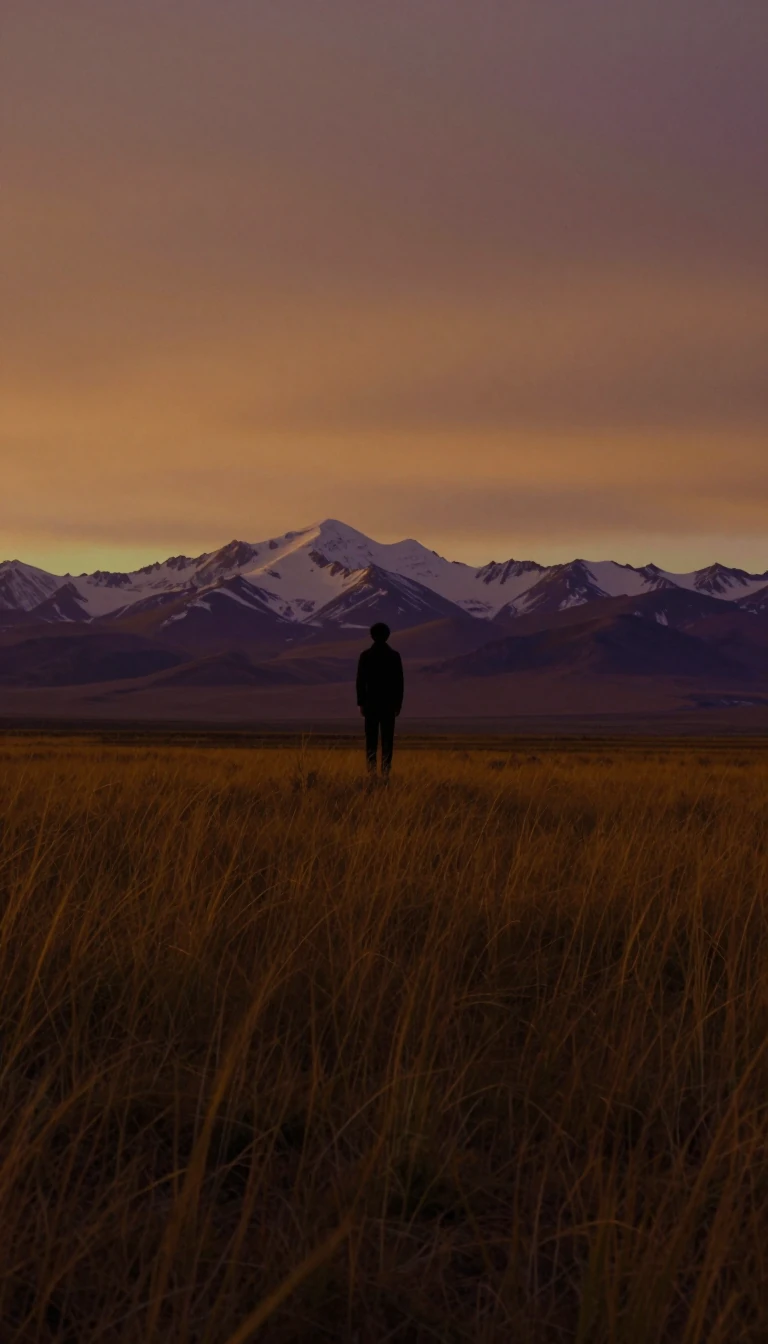
In short: Nestled along the shores of Lake Baikal, the Republic of Buryatia is a land of dramatic contrasts. From its deep-rooted shamanic traditions and Tibetan Buddhist heritage to its complex history under the Russian Empire and the Soviet Union, this Siberian region remains a unique intersection of Asian and European influences.
Located in the Russian Far East, Buryatia spans over 351,300 square kilometers, with more than 80% of its territory defined by rugged mountains. The region is anchored by Lake Baikal, the world's deepest lake, which sits at the heart of the republic's geography and climate. Historically, the area served as a crossroads for major powers, governed by entities ranging from the Xiongnu Empire and the Mongol Empire to the Tang dynasty and the Northern Yuan.
The arrival of Russian Cossacks in 1625 initiated a long process of incorporation into the Russian Empire, marked by the imposition of the yasak fur tribute system. By the 19th century, administrative reforms integrated local clan leaders into the imperial government. Following the 1917 revolutions, Buryat leaders briefly pursued autonomy, eventually aligning with the Soviet state to form the Buryat Autonomous Soviet Socialist Republic in 1923. This era saw significant shifts, including the suppression of Buddhism and the industrialization of the region through projects like the Baikal-Amur Mainline.
Today, Buryatia reflects a diverse cultural landscape. While ethnic Russians comprise 64% of the population, the indigenous Buryats maintain a distinct identity, with religious practices blending Tibetan Buddhism, Orthodox Christianity, and traditional shamanism. Despite its official status as a republic within the Russian Federation, the region's political autonomy has been significantly curtailed since the early 2000s, with governors now appointed rather than directly elected. The capital, Ulan-Ude, remains the center of this evolving identity, balancing its historical ties to Asian civilizations with its modern role in the Russian state.
Opens the Intellect+ feed with this card first. Swipe up for the next one.
Sources
- Summary by Intellect · source: Buryatia
- Also: Wikidata — Buryatia · CC0
- Also: Wikidata — Buryatia · CC0
To cite this card, link to https://intellectplus.co.uk/app/places-buryatia.
How we source, check and correct cards: Editorial standards.
General information, not professional advice. Spotted an error? Flag the card or see corrections and complaints.
Intellect Plus is a visual educational discovery platform for exploring fascinating facts and ideas. Brain Food, Not Brain Rot. What is Intellect Plus?
Related
More in Countries and other regions · More in Countries & Cities · Latest · A–Z · All topics
