Altai Krai: A Siberian Crossroads of Ancient Hominins, Nomadic Empires, and Soviet History
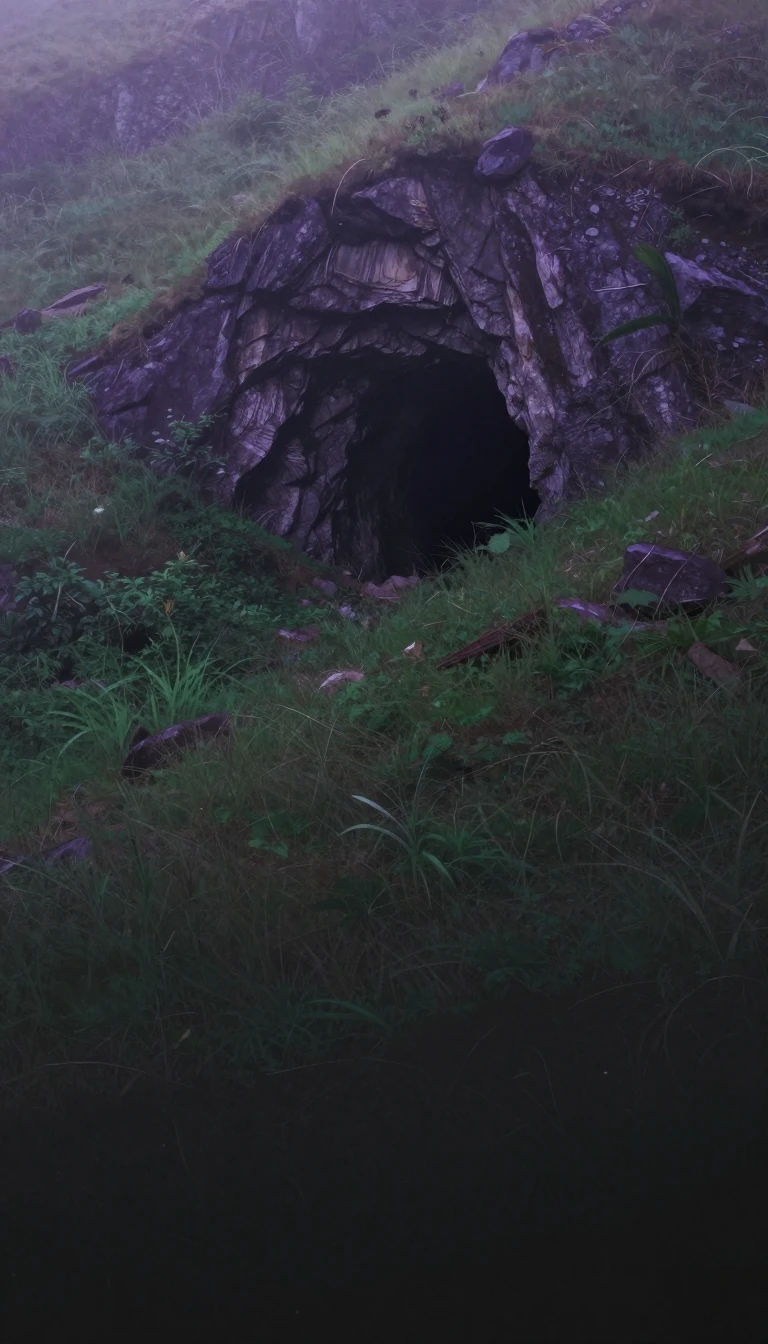
In short: Nestled in the foothills of the Altai Mountains, this Russian federal subject is far more than a remote borderland. From the ancient Denisova Cave to the turbulent shifts of the Soviet era, Altai Krai serves as a profound historical intersection of biodiversity, nomadic migration, and complex industrial heritage.
Altai Krai, a vast region bordering Kazakhstan, is defined by its dramatic geography, ranging from the 2,490-metre Mayak Shangina peak to the expansive Ob Plateau. Its history is equally layered. Archaeological findings, most notably the discovery of Denisova hominin bone fragments, place the region at the center of ancient human development. For millennia, it served as a vital corridor for nomadic tribes, including the Turkic Altay people, and fell under the influence of successive powers like the Xiongnu Empire, the Mongol Empire, and the Zunghar Khanate.
The 20th century brought radical transformation. Following the Russian Revolution, the imposition of war communism triggered the 1921 Sorokino peasant rebellion, which was suppressed by the Red Army. The subsequent era saw forced collectivization and the use of the region as a destination for deportees sent to GULAG labor camps in 1942. Today, the krai maintains a distinct identity, symbolized by its coat of arms—featuring an 18th-century steamy oven and the famed Koluvan Queen of Vases—which reflects both its industrial past and its cultural heritage.
Modern Altai Krai is a significant economic and ecological hub. It possesses vast natural resources, including timber and minerals like manganese and tungsten, while UNESCO recognizes over 1.6 million hectares of its land for its exceptional biodiversity, including the endangered snow leopard. Administratively, the region operates under a Charter established in 1995, governed by a Legislative Assembly and a Governor. Despite its industrial base, which includes major enterprises like the manufacturer Altaivagon and the dietary supplement producer Evalar, the region continues to grapple with demographic shifts, as evidenced by a population decline from over 2.8 million in 1989 to approximately 2.16 million by the 2021 census.
Opens the Intellect+ feed with this card first. Swipe up for the next one.
Sources
- Summary by Intellect · source: Altai Krai
- Also: Wikidata — Altai Krai · CC0
- Also: Wikidata — State Art Museum of Altai Krai · CC0
To cite this card, link to https://intellectplus.co.uk/app/places-altai-krai.
How we source, check and correct cards: Editorial standards.
General information, not professional advice. Spotted an error? Flag the card or see corrections and complaints.
Intellect Plus is a visual educational discovery platform for exploring fascinating facts and ideas. Brain Food, Not Brain Rot. What is Intellect Plus?
Related
More in Cities · More in Countries & Cities · Latest · A–Z · All topics
