How a sudden political ambush triggered the slow, centuries-long collapse of a Maya superpower.
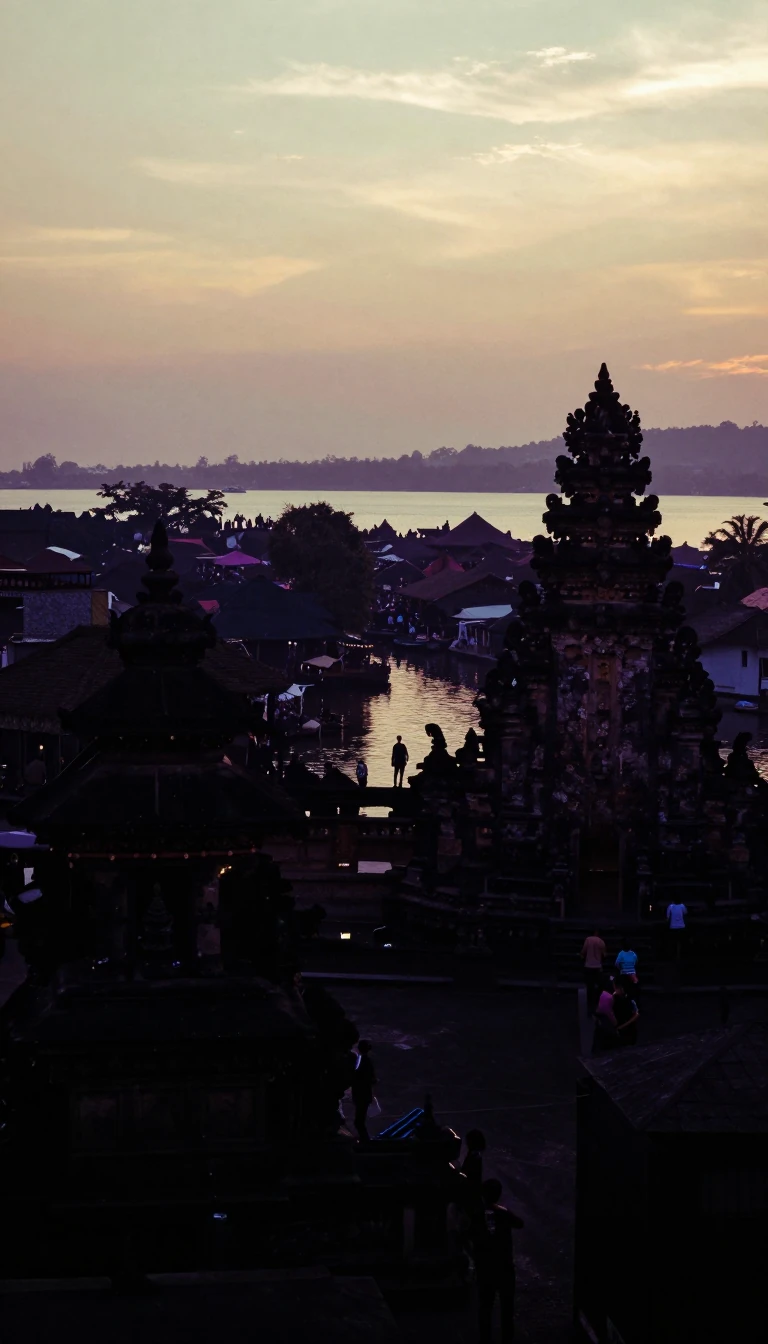
In short: Copán was a thriving Maya kingdom in western Honduras, controlling vital trade routes for jade and obsidian. Despite its architectural grandeur and population of over 20,000, the city suffered a catastrophic political blow in 738 AD when its king was captured and executed by a former vassal state, Quiriguá.
Founded in 426 AD by K'inich Yax K'uk' Mo', Copán grew into a dominant regional power. The city served as a critical geopolitical bridge between the northern Maya lowlands and non-Maya cultures to the south. At its peak in the Late Classic period, the kingdom encompassed over 250 square kilometers, with a dense central population supported by a sprawling rural periphery. The city’s rulers commissioned intricate monuments and sophisticated architecture, including the famous Hieroglyphic Stairway and the Rosalila temple, which showcased the kingdom's wealth and artistic mastery.
The turning point arrived in April 738 AD. Uaxaclajuun Ub'aah K'awiil, one of Copán’s most powerful kings, was ambushed and decapitated by the ruler of Quiriguá, K'ak' Tiliw Chan Yopaat. This defeat was likely facilitated by Quiriguá’s alliance with Calakmul, a rival of Copán’s primary ally, Tikal. The execution caused a 17-year hiatus in monumental construction, signaling a major loss of political authority and control over the lucrative Motagua River trade route. While later kings attempted to restore the city's former glory through renewed building programs, the damage to the dynasty's prestige and the kingdom's economic stability proved difficult to reverse.
By the early 9th century, Copán faced severe overpopulation, resource shortages, and disease. The last known king, Ukit Took', ascended the throne in 822 AD, but his reign was marked by unfinished monuments and a crumbling social order. Following the collapse of the ruling dynasty between 800 and 830 AD, the population plummeted. Although the valley remained inhabited by small farming hamlets for centuries, the once-mighty ceremonial center was largely abandoned. Today, the site stands as a UNESCO World Heritage monument, preserving the legacy of a civilization that flourished for over two millennia before succumbing to the pressures of political instability and environmental strain.
Opens the Intellect+ feed with this card first. Swipe up for the next one.
Sources
- Summary by Intellect · source: Copán
- Also: Wikidata — Copán · CC0
To cite this card, link to https://intellectplus.co.uk/app/places-cop-n.
How we source, check and correct cards: Editorial standards.
General information, not professional advice. Spotted an error? Flag the card or see corrections and complaints.
Intellect Plus is a visual educational discovery platform for exploring fascinating facts and ideas. Brain Food, Not Brain Rot. What is Intellect Plus?
Related
More in World Heritage Sites · More in Countries & Cities · Latest · A–Z · All topics
