Why did a 16th-century explorer's brush with disaster name a North Carolina landmark?
In short: Cape Fear is more than a dramatic name for a cinematic thriller. This North Carolina headland, formed by shifting sands and treacherous underwater shoals, earned its moniker from a terrified 1585 crew fearing a shipwreck. Beyond its history, the cape hides a volatile geological past and modern environmental challenges.
The headland sits on the Atlantic coast, created by the convergence of two sweeping beach arcs and sediment deposits from the state's largest river system. This river estuary serves a massive watershed, home to over a quarter of North Carolina's residents. The surrounding waters are notoriously dangerous, featuring the shifting Frying Pan Shoals, a segment of the region's infamous maritime graveyard.
Beneath the waves lies the Cape Fear Slide Complex, a heavily researched area where scientists have identified at least five major submarine landslides occurring over the last 30,000 years. While early theories blamed gas hydrates, current research suggests that a steep Paleogene slope, combined with rapid sediment buildup and high pore pressure, triggered these events. These slides may have generated tsunamis, though it remains unproven whether these waves significantly impacted the coastline.
The region also faces significant environmental scrutiny due to the presence of PFAS, or 'forever chemicals,' within the watershed. Contamination has been documented throughout the area, with these substances entering the human food chain through local fish. This ongoing crisis has sparked numerous legal battles and fines against manufacturers operating along the river. Historically, the cape has been a site of significant arrivals, from Giovanni da Verrazzano’s 1524 landfall to General Sir Henry Clinton’s 1775 military arrival during the American Revolutionary War.
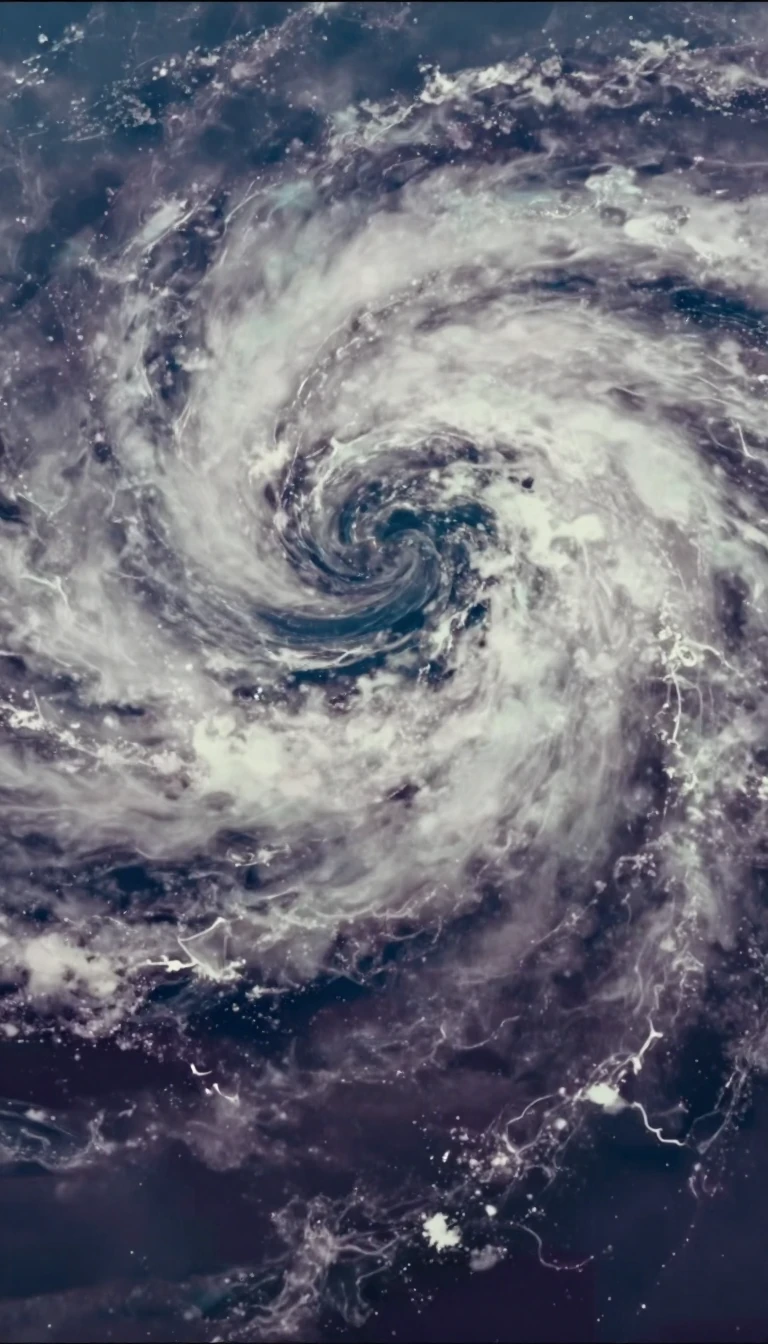
Today, the cape serves as a critical geographic marker for the National Hurricane Center when tracking tropical cyclones. Despite its dark reputation and environmental struggles, the headland remains a stable ecosystem, characterized by resilient dunes populated by sea oats and salt-tolerant grasses. It stands as the fifth-oldest surviving English place name in the United States, a testament to the enduring impact of that initial 1585 encounter.
Opens the Intellect+ feed with this card first. Swipe up for the next one.
Sources
- Summary by Intellect · source: Cape Fear (headland)
To cite this card, link to https://intellectplus.co.uk/app/places-cape-fear-headland.
How we source, check and correct cards: Editorial standards.
General information, not professional advice. Spotted an error? Flag the card or see corrections and complaints.
Intellect Plus is a visual educational discovery platform for exploring fascinating facts and ideas. Brain Food, Not Brain Rot. What is Intellect Plus?
Related
More in Capes · More in Countries & Cities · Latest · A–Z · All topics
