A 12th-century masterpiece carved from soapstone that hardens when exposed to the air.
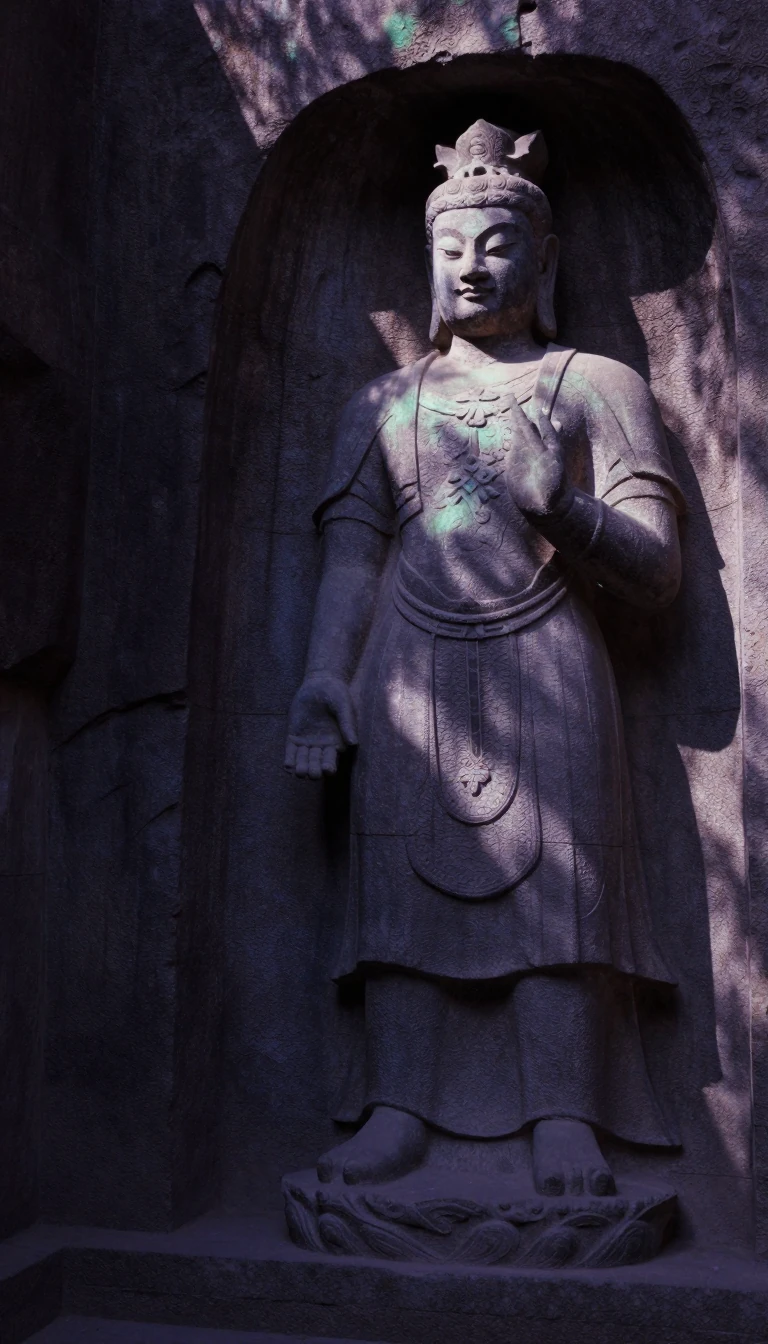
In short: The Hoysaleswara Temple in Halebidu is a twin-shrine marvel of the Hoysala Empire. Built from soft chloritic schist that petrifies over time, its outer walls serve as a massive, intricate pictorial encyclopedia of Hindu theology, featuring hundreds of large reliefs and friezes that narrate ancient epics like the Mahabharata and Ramayana.
Commissioned by King Vishnuvardhana around 1121 CE, the Hoysaleswara Temple stands as the largest Shiva monument built by the Hoysala Empire in South India. Located in the former capital of Dorasamudra—modern-day Halebidu—the structure was completed in 1160 CE. It is a twin-temple, or dvikuta vimana, featuring two identical sanctums dedicated to the Shiva lingas of Hoysaleswara and Shantaleswara. The complex is set upon a jagati, a raised platform designed for circumambulation, and was originally designed with an open navaranga that allowed for public gatherings.
The temple is renowned for its extraordinary sculptural detail, carved from soapstone, which is easily worked when quarried but hardens upon exposure to the atmosphere. The exterior walls are adorned with 340 large reliefs and numerous friezes depicting scenes from the Ramayana, Mahabharata, and Bhagavata Purana. Art historians note that the iconography is remarkably diverse, incorporating themes from Shaivism, Vaishnavism, Shaktism, and Jainism. This artistic density is so high that, according to scholar Shadakshari Settar, no two lions among the hundreds carved in the friezes are identical.
The site suffered significant damage during the 14th-century invasions by the Delhi Sultanate, leading to the loss of its original superstructure towers and the abandonment of the capital. In the 19th and 20th centuries, the temple underwent various restoration efforts, which sometimes involved reusing salvaged architectural elements from nearby ruins. Despite these historical interventions and the loss of its original dedication inscription, the temple remains a vital record of 12th-century South Indian culture. In 2023, UNESCO recognized its historical and architectural significance by designating it a World Heritage Site as part of the Sacred Ensembles of the Hoysalas.
Opens the Intellect+ feed with this card first. Swipe up for the next one.
Sources
- Summary by Intellect · source: Hoysaleswara Temple
To cite this card, link to https://intellectplus.co.uk/app/nature-hoysaleswara-temple.
How we source, check and correct cards: Editorial standards.
General information, not professional advice. Spotted an error? Flag the card or see corrections and complaints.
Intellect Plus is a visual educational discovery platform for exploring fascinating facts and ideas. Brain Food, Not Brain Rot. What is Intellect Plus?
Related
More in Physical geography · More in Nature · Latest · A–Z · All topics
