Why these three 13th-century Indian temples are considered architectural masterpieces of the world
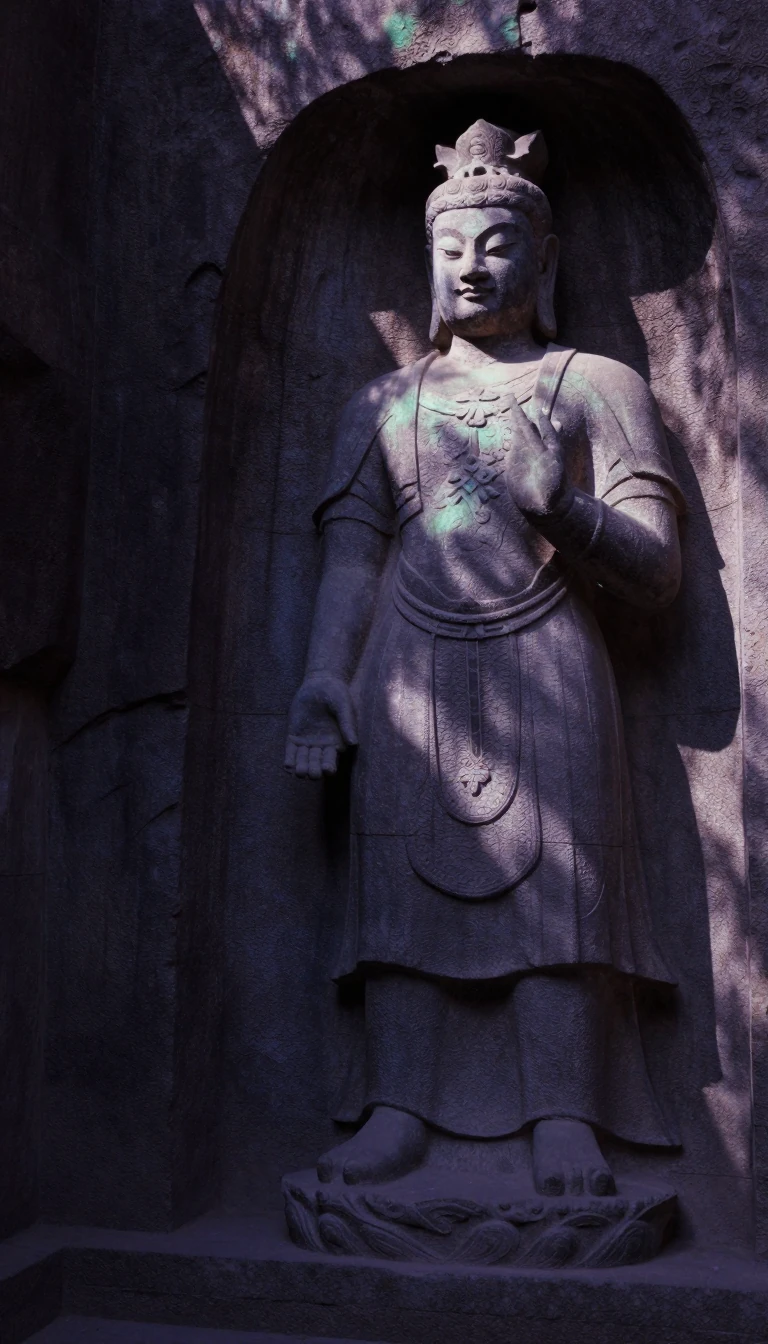
In short: Inscribed as a UNESCO World Heritage Site in 2023, the Sacred Ensembles of the Hoysalas represent a pinnacle of medieval Indian craftsmanship. These three temples in Karnataka—Belur, Halebidu, and Somanathapura—feature intricate soapstone carvings and innovative star-shaped floor plans that distinguish them from any other dynasty of their era.
Developed between the 12th and 13th centuries, the Hoysala architectural style emerged as the dynasty expanded its administrative and economic reach across present-day Karnataka. Kings like Vishnuvardhana and Narasimha III sought to establish a unique cultural identity, commissioning temples that synthesized diverse regional influences—including Nagara, Dravida, Bhumija, and Chalukyan traditions—into a cohesive, highly decorative aesthetic. Art historian Adam Hardy identifies this distinct tradition as Karnata Dravida.
The three sites—the Chennakeshava Temple, the Hoysaleswara Temple, and the Keshav Temple—are celebrated for their technical complexity. Built primarily from chloritic schist, or soapstone, the structures utilize elevated, star-shaped platforms known as jagati. This design allows for circumambulation while providing a canvas for elaborate friezes depicting scenes from the Ramayana, Mahabharata, and Bhagavata Purana. The temples are also noted for their hyper-realistic sculptures, including bracket figures called madanikas and perforated stone screens known as jalis.
The survival of these ensembles is a testament to centuries of intervention. After suffering damage from the Delhi Sultanate armies in the 14th century, the Keshav Temple underwent repairs in the 16th century supported by the Vijayanagara Empire. In the 20th century, the Government of Mysore and later the Archaeological Survey of India (ASI) undertook extensive stabilization efforts. Today, the sites are managed differently: while the Chennakeshava Temple remains an active place of worship, the Hoysaleswara and Keshav temples are preserved as protected monuments, maintained through modern conservation techniques like stainless steel reinforcement and chemical cleaning.
Opens the Intellect+ feed with this card first. Swipe up for the next one.
Sources
- Summary by Intellect · source: Sacred Ensembles of the Hoysalas
To cite this card, link to https://intellectplus.co.uk/app/places-sacred-ensembles-of-the-hoysalas.
How we source, check and correct cards: Editorial standards.
General information, not professional advice. Spotted an error? Flag the card or see corrections and complaints.
Intellect Plus is a visual educational discovery platform for exploring fascinating facts and ideas. Brain Food, Not Brain Rot. What is Intellect Plus?
Related
More in World Heritage Sites · More in Countries & Cities · Latest · A–Z · All topics
