From a dirt airstrip to Thailand's fourth busiest gateway
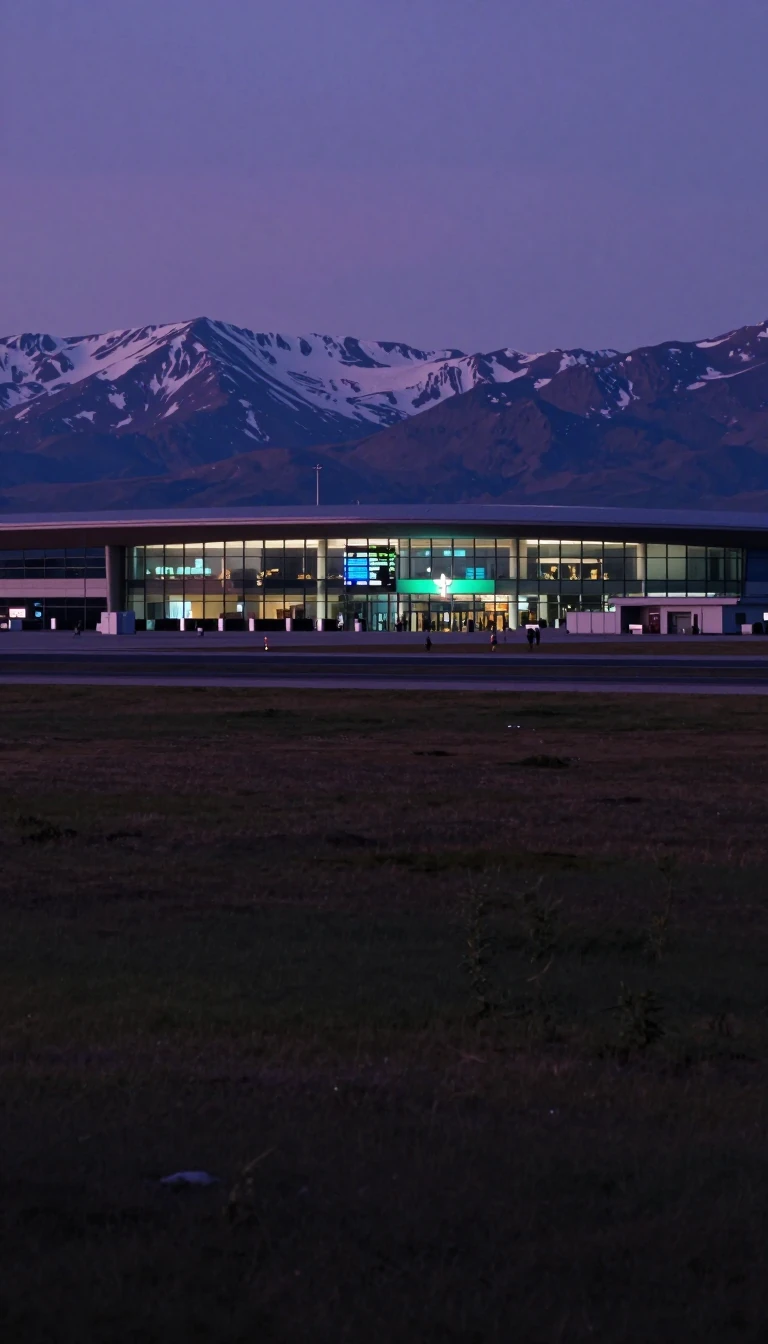
In short: Chiang Mai International Airport serves as the vital artery for Northern Thailand, but its history is defined by more than just modern logistics. It evolved from a humble 1920s landing strip into a strategic military target and an emergency lifeline during national crises.
The airport's origins date back to the early 1920s, when it first developed as a basic airstrip. It officially began operations in 1934 under the name Suthep Airport. For much of its early life, the facility was utilitarian rather than commercial; until World War II, it primarily functioned for postal delivery services and occasional military use. The geopolitical tensions of the era transformed the site into a battlefield, as it was occupied by Japanese forces during the war and subsequently targeted by British and US air forces.
The transition to civilian aviation was gradual. While the first scheduled passenger flight did not arrive until 1947 via Siamese Airways, the infrastructure remained primitive for decades. Until the late 1950s, travelers were greeted by a runway made of grass or dirt with very few support buildings. It wasn't until major upgrades in 2014 that the airport modernized significantly, expanding its apron to accommodate larger aircraft and shifting to a 24/7 operating schedule to meet growing demand.
Chiang Mai has also served as a critical backup for Thailand's primary aviation hubs. In 2008, during the temporary closure of Suvarnabhumi Airport due to protests, Chiang Mai became an essential stopover for international carriers like China Airlines and Swiss International Air Lines. This period of necessity helped cement its role as a secondary hub, a status further solidified in 2011 when it became a secondary hub for Thai AirAsia. Today, the airport manages high-volume traffic, handling over 11 million passengers annually as of 2018.
At a height of 316 metres (1,037 ft) over mean sea level, the airfield is situated. A lone asphalt strip, numbered 18/36 and spanning 3,100 by 45 metres, serves as its runway. This infrastructure supports a diverse network of 31 airlines, balancing its role as a regional gateway with the logistical requirements of international cargo and passenger transit.
Opens the Intellect+ feed with this card first. Swipe up for the next one.
Sources
- Summary by Intellect · source: Chiang Mai International Airport
To cite this card, link to https://intellectplus.co.uk/app/places-chiang-mai-international-airport.
How we source, check and correct cards: Editorial standards.
General information, not professional advice. Spotted an error? Flag the card or see corrections and complaints.
Intellect Plus is a visual educational discovery platform for exploring fascinating facts and ideas. Brain Food, Not Brain Rot. What is Intellect Plus?
Related
More in Cities · More in Countries & Cities · Latest · A–Z · All topics
