Deep in the Amazon lies a massive, ancient gallery of over 600,000 rock paintings.
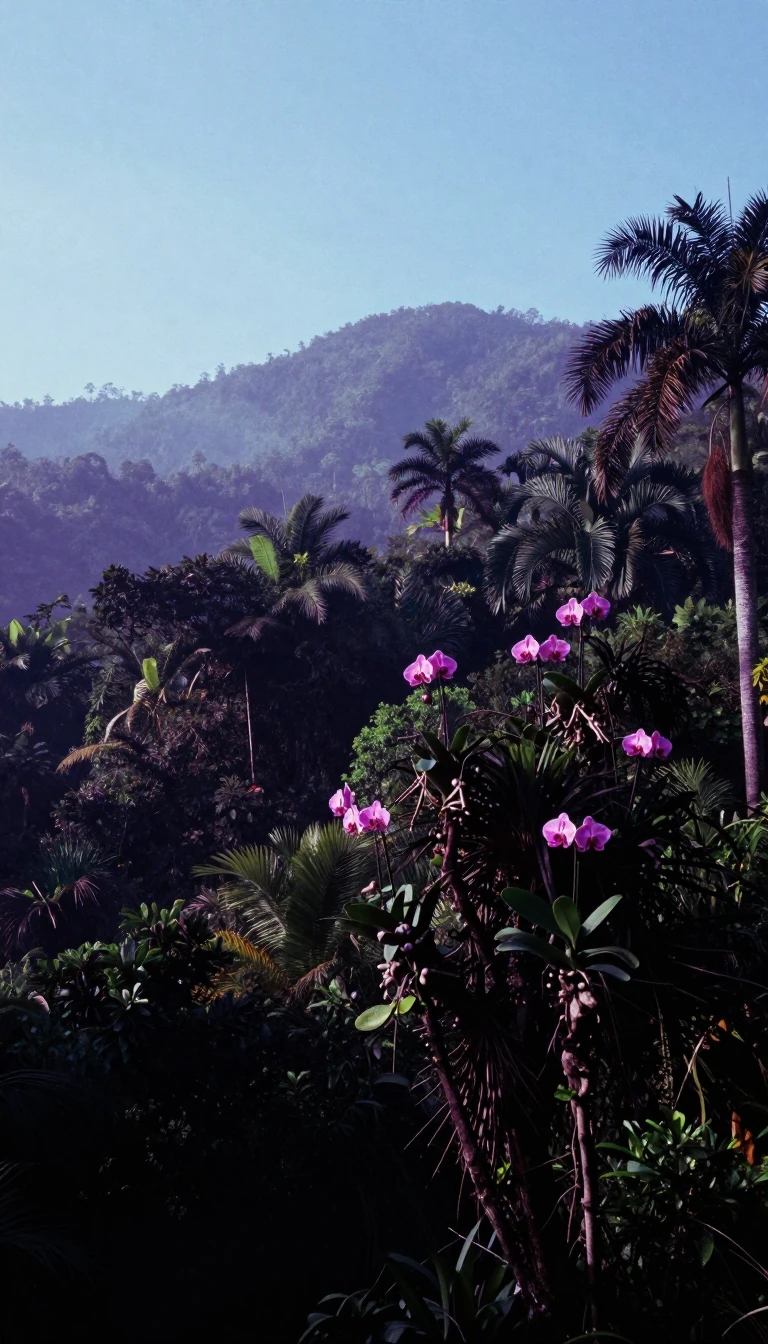
In short: Chiribiquete National Park is the world's largest tropical rainforest national park, spanning 43,000 square kilometers. Beyond its immense biodiversity, the park protects a mysterious, sprawling collection of indigenous rock art. These ancient pictographs and petroglyphs, some still being created today by uncontacted peoples, offer a window into a hidden world.
Established in 1989, Chiribiquete National Natural Park has undergone significant expansions, growing from 13,000 square kilometers in 2013 to its current size of 43,000 square kilometers. Located in the Colombian departments of Caquetá and Guaviare, the park is a geological marvel. It features the Serranía de Chiribiquete mountains, characterized by tepuis—table-top mountains that rise abruptly from the forest floor. These formations, part of the ancient Guiana Shield, create a unique landscape of plateaus and steep rocky structures that host a diverse range of biomes, from flooded savannas to dense tropical moist forests.
The park's most striking cultural feature is its extensive rock art. Indigenous people have adorned the walls of 60 rock shelters with more than 600,000 traces of over 75,000 individual petroglyphs and pictographs. While this artistic tradition dates back to at least the 16th century, it remains a living practice, as uncontacted peoples within the park continue to create art today. The site was formally recognized as a UNESCO World Heritage Site in 2018, following efforts by researchers like Jaime Galvis, Carlos Castaño-Uribe, and Thomas van der Hammen to document these vertical galleries.
Ecologically, the park is a powerhouse of endemism. It contains 30% of the Colombian Amazon's flora and bat diversity, alongside 10% of the country's butterfly species. Researchers have cataloged 1,801 plant species, 209 butterfly species, and 82 mammal species, including jaguars and giant otters. The climate is equally extreme; while the average temperature sits at 24 °C, the park experiences dramatic fluctuations. At higher altitudes, temperatures can plummet to 2 °C, while lower regions can reach 35 °C. This environmental complexity, combined with its protected status, makes Chiribiquete a vital, largely untouched sanctuary for both biological and human history.
Opens the Intellect+ feed with this card first. Swipe up for the next one.
Sources
- Summary by Intellect · source: Chiribiquete National Park
- Also: Wikidata — Chiribiquete National Park · CC0
To cite this card, link to https://intellectplus.co.uk/app/places-chiribiquete-national-park.
How we source, check and correct cards: Editorial standards.
General information, not professional advice. Spotted an error? Flag the card or see corrections and complaints.
Intellect Plus is a visual educational discovery platform for exploring fascinating facts and ideas. Brain Food, Not Brain Rot. What is Intellect Plus?
Related
More in World Heritage Sites · More in Countries & Cities · Latest · A–Z · All topics
