Hidden in Malawi's hills, the densest cluster of rock art in Central Africa.
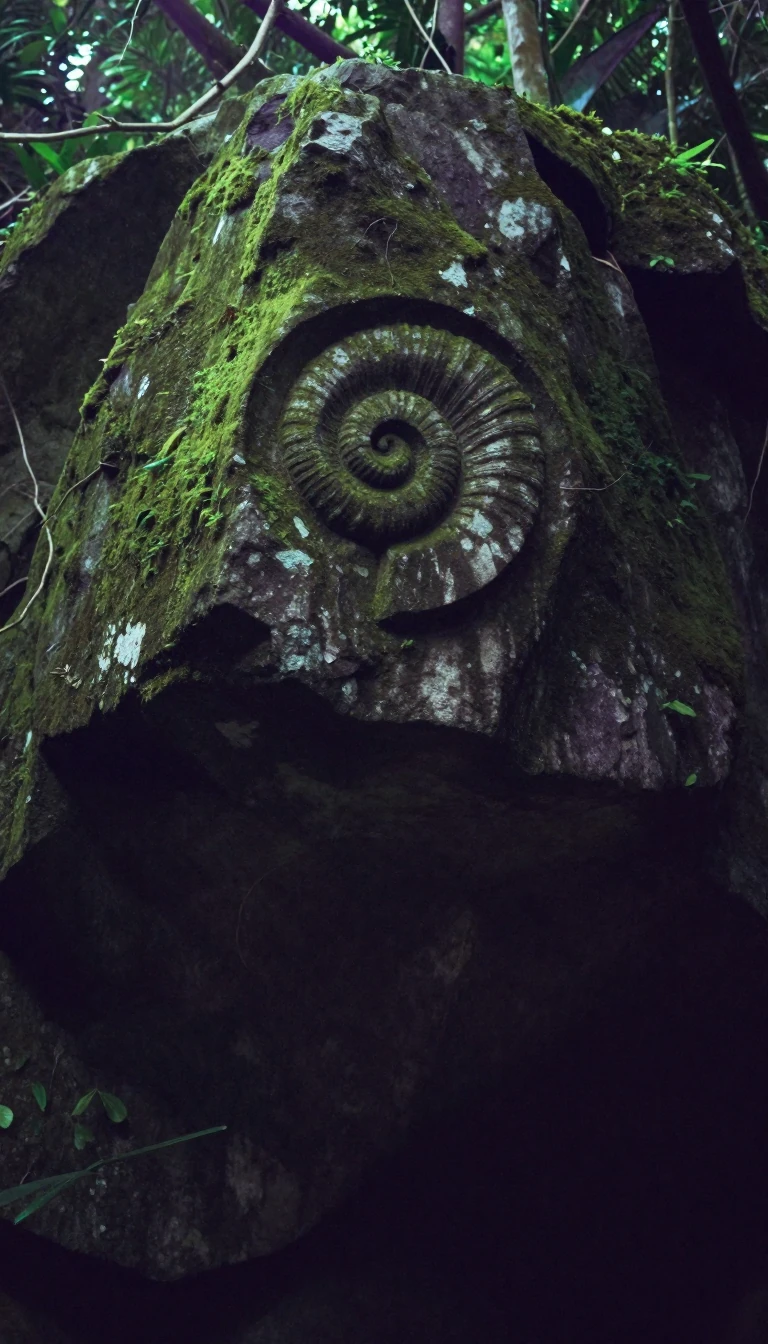
In short: Spanning 126 square kilometers, the Chongoni Rock Art Area preserves 127 distinct sites. These granite shelters hold millennia of human history, from the red-pigmented creations of ancient hunter-gatherers to the white-clay symbols of Iron Age farmers, revealing a complex, enduring connection between landscape, ritual, and secret societies.
Located near Dedza, the highest town in Malawi, the Chongoni region serves as a profound archaeological record of human habitation. The site contains 127 rock art locations, which are protected by both the 1990 Monuments and Relics Act and the 1997 Forestry Act. This concentration of art is recognized as the densest in Central Africa, with evidence of occupation stretching back to the Upper Pleistocene. Archaeological findings include artifacts dated to 2,500 BP, confirming that hunter-gatherer communities inhabited the area during the Late Stone Age.
The art itself reflects a succession of cultures. The earliest works are attributed to the BaTwa, hunter-gatherers who utilized red pigments. By the 1st millennium AD, Iron Age farmers—the Chewa—introduced a tradition of using white clay to depict natural figures. These two groups coexisted until the 19th century, when the hunter-gatherers were eventually subsumed. Later, the arrival of the Maravi Empire in the 15th century and the subsequent migration of the Ngoni people added further layers to the region's cultural tapestry, forcing the local Nyau community into hiding to preserve their traditions.
Today, the site remains a living cultural landscape. The rock art is not merely historical; it continues to serve as a symbol for the Nyau secret society and is tied to ongoing rituals, including women's initiation and rain-making ceremonies. UNESCO inscribed the area as a World Heritage Site in 2006, citing both its rich artistic traditions and its continued relevance to present-day society. Visitors can explore specific locations like the Chentcherere hills, which feature six rock shelters, or the Mphunzi site, known for its zoomorphic paintings, all protected within the forested slopes of the Malawi plateau.
Opens the Intellect+ feed with this card first. Swipe up for the next one.
Sources
- Summary by Intellect · source: Chongoni Rock Art Area
- Also: Wikidata — Chongoni Rock Art Area · CC0
To cite this card, link to https://intellectplus.co.uk/app/places-chongoni-rock-art-area.
How we source, check and correct cards: Editorial standards.
General information, not professional advice. Spotted an error? Flag the card or see corrections and complaints.
Intellect Plus is a visual educational discovery platform for exploring fascinating facts and ideas. Brain Food, Not Brain Rot. What is Intellect Plus?
Related
More in World Heritage Sites · More in Countries & Cities · Latest · A–Z · All topics
