A Swedish King built a secret Chinese palace to surprise his Queen in 1753.
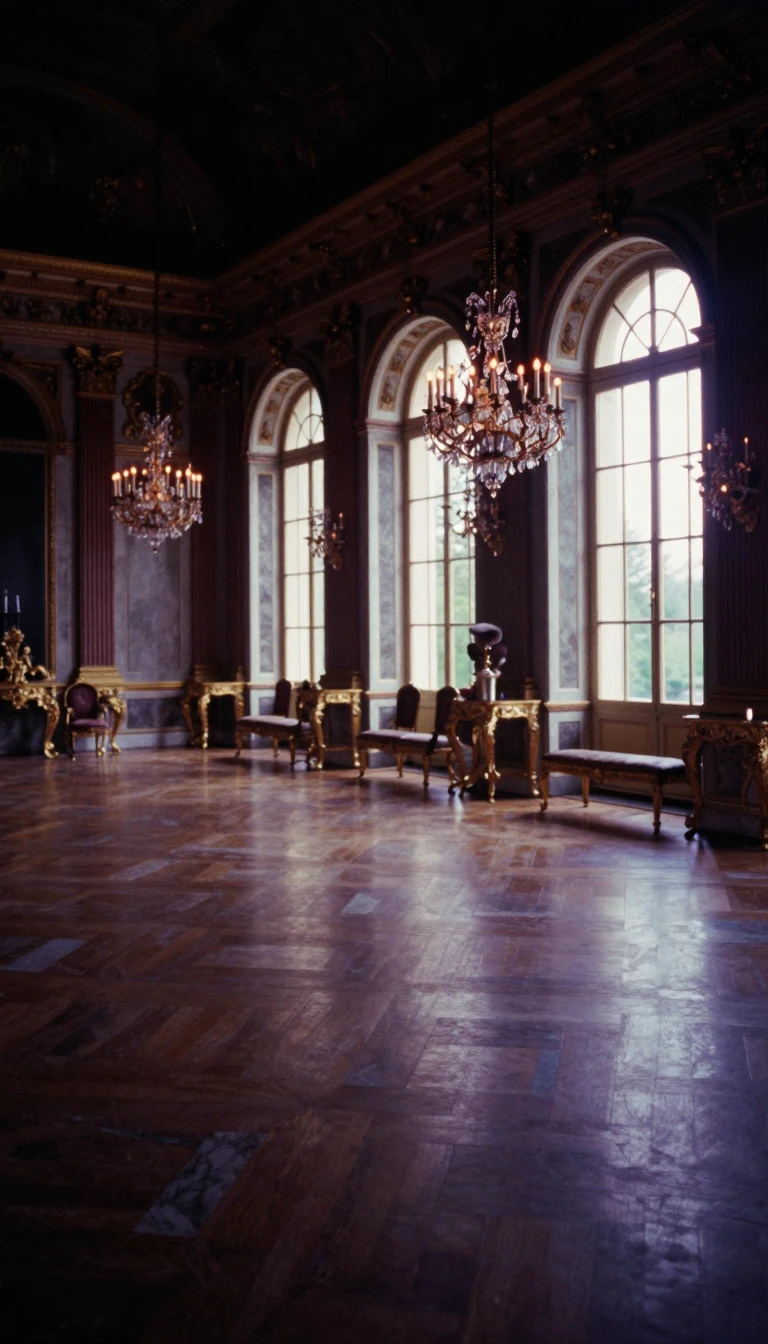
In short: Hidden within the grounds of Drottningholm Palace lies a royal retreat built in total secrecy. Conceived as a birthday gift for Queen Lovisa Ulrika, the original wooden structure was a fleeting fairy tale that eventually succumbed to the harsh Swedish climate, leading to the grander, more durable version standing today.
The Chinese Pavilion, or Kina slott, was born from a romantic gesture by King Adolf Frederick. In 1753, he presented the Queen with a prefabricated wooden pavilion, assembled in haste to ensure it was ready for her birthday on July 24. The young Crown Prince Gustav, dressed as a Chinese mandarin, famously handed her the gold key to the castle. However, the structure was never intended to last; within a decade, rot had compromised the wood, necessitating a more permanent replacement.
The current structure, designed by Carl Fredrik Adelcrantz, was completed in 1769. While its exterior features lacquer-red walls and sculptural ornamentation inspired by Chinese aesthetics, the building remains fundamentally European in its structural design. It served as a sanctuary for the royals, who were fascinated by the mythic, forbidden land of China. This obsession was fueled by the Swedish East India Company, which imported luxury goods like silk, porcelain, and lacquered panels that still adorn the pavilion’s interior today.
Beyond the main pavilion, the site includes unique architectural curiosities like The Confidence, a dining room where tables were hoisted through the floor on a lift device. This allowed the royals to dine without the presence of servants, ensuring total privacy. The surrounding area, known as Kanton, was once a small factory community established to produce silk and lace, though the cold climate eventually halted these efforts. Today, the pavilion stands as a UNESCO World Heritage site, recognized as a premier example of 18th-century northern European royal architecture.
The site has also seen its share of drama. In 2010, thieves executed a daring six-minute heist, stealing priceless artifacts including a rhinoceros horn chalice and a Japanese lacquered box. While the theft was a shock, all stolen items were recovered by 2019. Today, the pavilion remains a testament to the era's fascination with the exotic, preserved as a crown jewel of Sweden’s royal history.
Opens the Intellect+ feed with this card first. Swipe up for the next one.
Sources
- Summary by Intellect · source: Chinese Pavilion at Drottningholm
To cite this card, link to https://intellectplus.co.uk/app/places-chinese-pavilion-at-drottningholm.
How we source, check and correct cards: Editorial standards.
General information, not professional advice. Spotted an error? Flag the card or see corrections and complaints.
Intellect Plus is a visual educational discovery platform for exploring fascinating facts and ideas. Brain Food, Not Brain Rot. What is Intellect Plus?
Related
More in World Heritage Sites · More in Countries & Cities · Latest · A–Z · All topics
