Canaima National Park: A prehistoric landscape of table-top mountains and ancient, vertical cliffs
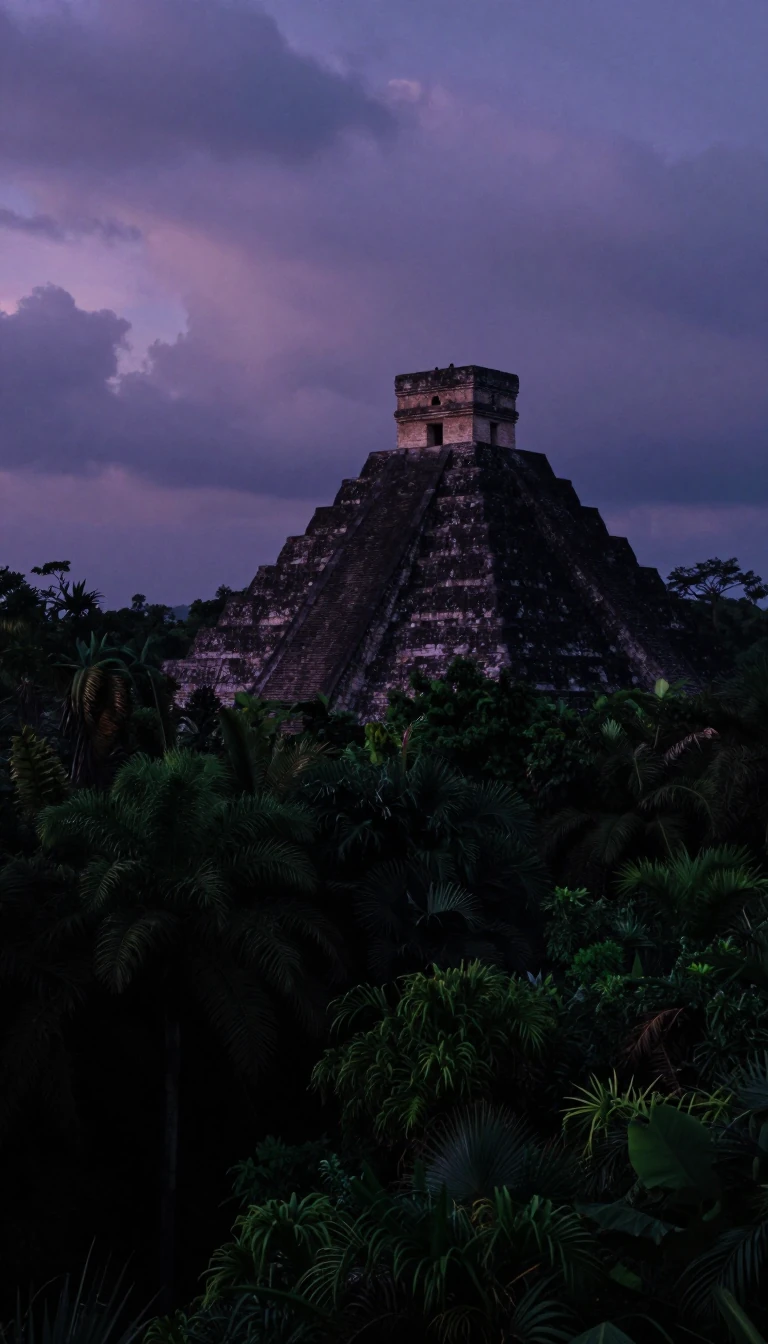
In short: Spanning 30,000 square kilometers in southeastern Venezuela, this massive protected area is defined by tepuis—towering, flat-topped mountains millions of years old. Home to the world's tallest waterfall and unique, isolated ecosystems, the park serves as a living relic of a time when South America and Africa were joined as one.
Established in 1962, Canaima National Park is the sixth largest national park globally and the second largest in Venezuela. Its defining features are the tepuis, which cover roughly 65% of the territory. These geological marvels are remnants of ancient sandstone layers resting on a granite base nearly three billion years old. The summits of these plateaus, which formed between 1.5 and 2 billion years ago, host highly specialized flora and fauna found nowhere else on Earth, including various carnivorous plants that have adapted to the nutrient-poor mountain environment.
The park is deeply significant to the indigenous Pemon people, who view the tepuis as the dwelling place of spirits known as Mawari. Beyond its cultural importance, the region is a biodiversity hotspot, recognized by BirdLife International as an Important Bird and Biodiversity Area. It protects the watershed of the Caroní River and houses spectacular natural landmarks, most notably Angel Falls, which drops 979 meters. The park also contains archaeological mysteries, such as rock art sites estimated to be between 4,000 and 7,000 years old, created long before the Pemon arrived in the region.
Despite its status as a UNESCO World Heritage Site since 1994, the park faces significant challenges. A 2017 assessment by the International Union for Conservation of Nature highlighted concerns regarding ineffective management and protection strategies. Historically, the park has been a major destination, attracting approximately 100,000 visitors annually by the early 1990s, with the vast majority focusing on the accessible tepuis like Mount Roraima and Auyantepui. Because the terrain is rugged and remote, most internal travel relies on light aircraft, canoes, or hiking, preserving the isolation that makes this landscape so biologically and geologically distinct.
Opens the Intellect+ feed with this card first. Swipe up for the next one.
Sources
- Summary by Intellect · source: Canaima National Park
- Also: Wikidata — Canaima National Park · CC0
To cite this card, link to https://intellectplus.co.uk/app/places-canaima-national-park.
How we source, check and correct cards: Editorial standards.
General information, not professional advice. Spotted an error? Flag the card or see corrections and complaints.
Intellect Plus is a visual educational discovery platform for exploring fascinating facts and ideas. Brain Food, Not Brain Rot. What is Intellect Plus?
Related
More in World Heritage Sites · More in Countries & Cities · Latest · A–Z · All topics
