Why Cho Oyu is considered the most accessible 8,000-metre peak on Earth
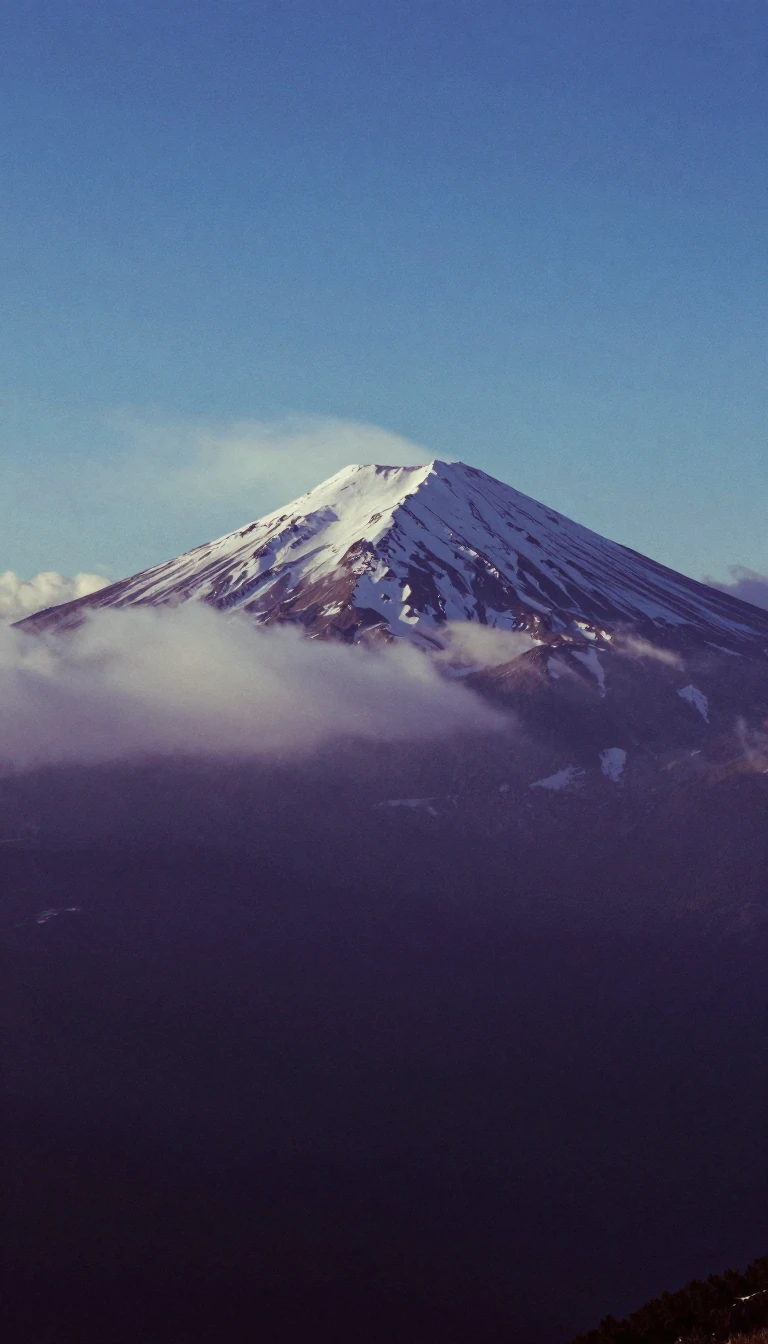
In short: Standing at 8,188 metres, Cho Oyu is the world's sixth-highest mountain. Often called the Turquoise Goddess, it is widely regarded as the easiest of the fourteen 8,000-metre peaks to climb. Its moderate slopes and proximity to a major trading pass make it a popular objective for guided mountaineering expeditions.
Located on the border between China and Nepal, Cho Oyu sits just 20 kilometres west of Mount Everest. Its reputation as an accessible climb stems from the standard northwest ridge route, which features generally moderate terrain compared to other giants of the Himalayas. Because of this, it is frequently marketed as a trekking peak, attracting climbers who possess high physical fitness but perhaps less extensive mountaineering experience. It remains the second most climbed 8,000-metre peak, trailing only Everest in popularity.
Despite its reputation for accessibility, the mountain presents unique challenges. The summit is a broadly flat plateau, which can lead to confusion regarding the exact technical peak; traditional prayer flags often mark a spot that is not the true summit. This ambiguity has historically sparked debate among climbers, including the noted chronicler Elizabeth Hawley. Furthermore, while it boasts the lowest death-to-summit ratio among the 8,000-metre peaks—roughly one-twenty-fifth that of Annapurna—it is far from risk-free. Avalanches and extreme altitude have claimed lives throughout its history, including during early expeditions in the 1950s and 1960s.
The mountain’s history is marked by significant milestones in high-altitude mountaineering. First summited in 1954 by an Austrian team, it was the fifth 8,000-metre peak to be conquered. Before Reinhold Messner and Peter Habeler’s 1978 Everest ascent, Cho Oyu held the record for the highest peak climbed without supplemental oxygen. Over the decades, it has seen remarkable feats, from the first winter ascent in 1985 to speed records and solo climbs. Even today, it remains a site of both professional achievement and personal tragedy, serving as a testament to the enduring allure of the high Himalayas.
Opens the Intellect+ feed with this card first. Swipe up for the next one.
Sources
- Summary by Intellect · source: Cho Oyu
- Also: Wikidata — Cho Oyu · CC0
- Also: Wikidata — Cho Oyu · CC0
To cite this card, link to https://intellectplus.co.uk/app/places-cho-oyu.
How we source, check and correct cards: Editorial standards.
General information, not professional advice. Spotted an error? Flag the card or see corrections and complaints.
Intellect Plus is a visual educational discovery platform for exploring fascinating facts and ideas. Brain Food, Not Brain Rot. What is Intellect Plus?
Related
More in Mountain peaks and volcanos · More in Countries & Cities · Latest · A–Z · All topics
