Why the Pskov School of Architecture remains a unique Russian cultural landmark today
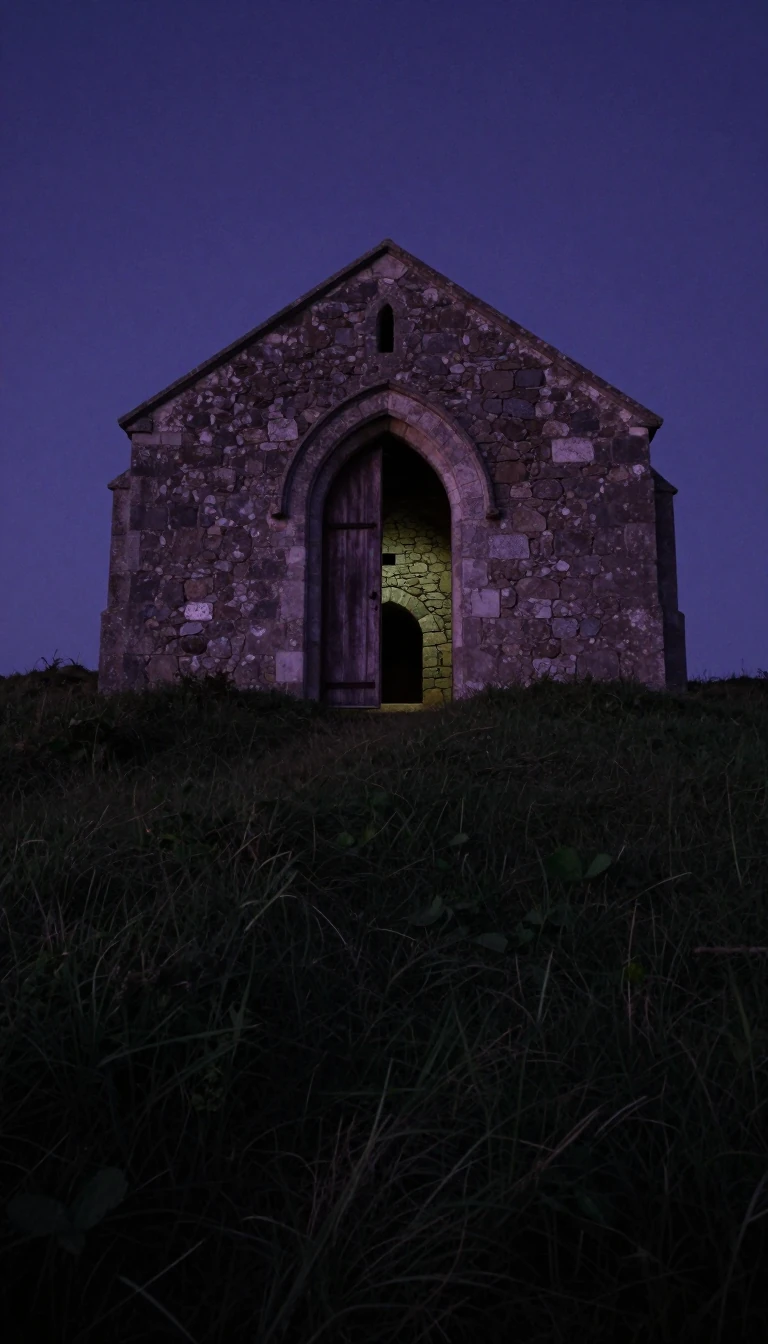
In short: Designated a UNESCO World Heritage Site in 2019, the Pskov School of Architecture represents a distinct fusion of Byzantine, Novgorod, and local Russian traditions. Spanning from the 12th to the early 17th century, these ten structures showcase how master builders adapted regional resources to create an enduring and influential architectural legacy.
The Pskov School of Architecture is defined by its ability to synthesize diverse influences into a cohesive local style. By blending the established Byzantine and Novgorod traditions with the vernacular practices of the Pskov region, these architects developed a signature approach that prioritized the use of local materials. This adaptation resulted in a series of religious buildings that are as much a product of their environment as they are of their cultural history. The site, which includes ten churches, monasteries, and associated structures, serves as a testament to the sophistication of medieval Russian construction techniques.
While the style evolved over several centuries, its most significant period of development occurred during the 15th and 16th centuries. During this peak, the influence of Pskov architects extended far beyond their home city. Their expertise was sought after in major Russian centers, including Moscow, Kazan, and Sviyazhsk, where they contributed their unique design sensibilities to various monuments. This cross-pollination of styles helped cement the Pskov School's reputation as a cornerstone of Russian architectural history, demonstrating how regional craftsmanship could shape the aesthetic identity of a much larger territory.
The formal recognition of these structures as a World Heritage Site occurred in July 2019. During the 43rd session of the UNESCO World Heritage Committee, the collection was officially inscribed, highlighting the importance of preserving these sites for future generations. The inclusion of these ten specific buildings underscores the lasting impact of the Pskov School, not only as a historical curiosity but as a vital link to the evolution of Eastern European ecclesiastical architecture. By examining these buildings, one gains a clearer understanding of how medieval builders balanced religious requirements with the practical constraints of their local geography and available resources.
Opens the Intellect+ feed with this card first. Swipe up for the next one.
Sources
- Summary by Intellect · source: Churches of the Pskov School of Architecture
To cite this card, link to https://intellectplus.co.uk/app/places-churches-of-the-pskov-school-of-architecture.
How we source, check and correct cards: Editorial standards.
General information, not professional advice. Spotted an error? Flag the card or see corrections and complaints.
Intellect Plus is a visual educational discovery platform for exploring fascinating facts and ideas. Brain Food, Not Brain Rot. What is Intellect Plus?
Related
More in World Heritage Sites · More in Countries & Cities · Latest · A–Z · All topics
