Why Romania's Painted Monasteries Are Among the World's Most Unique Architectural Treasures
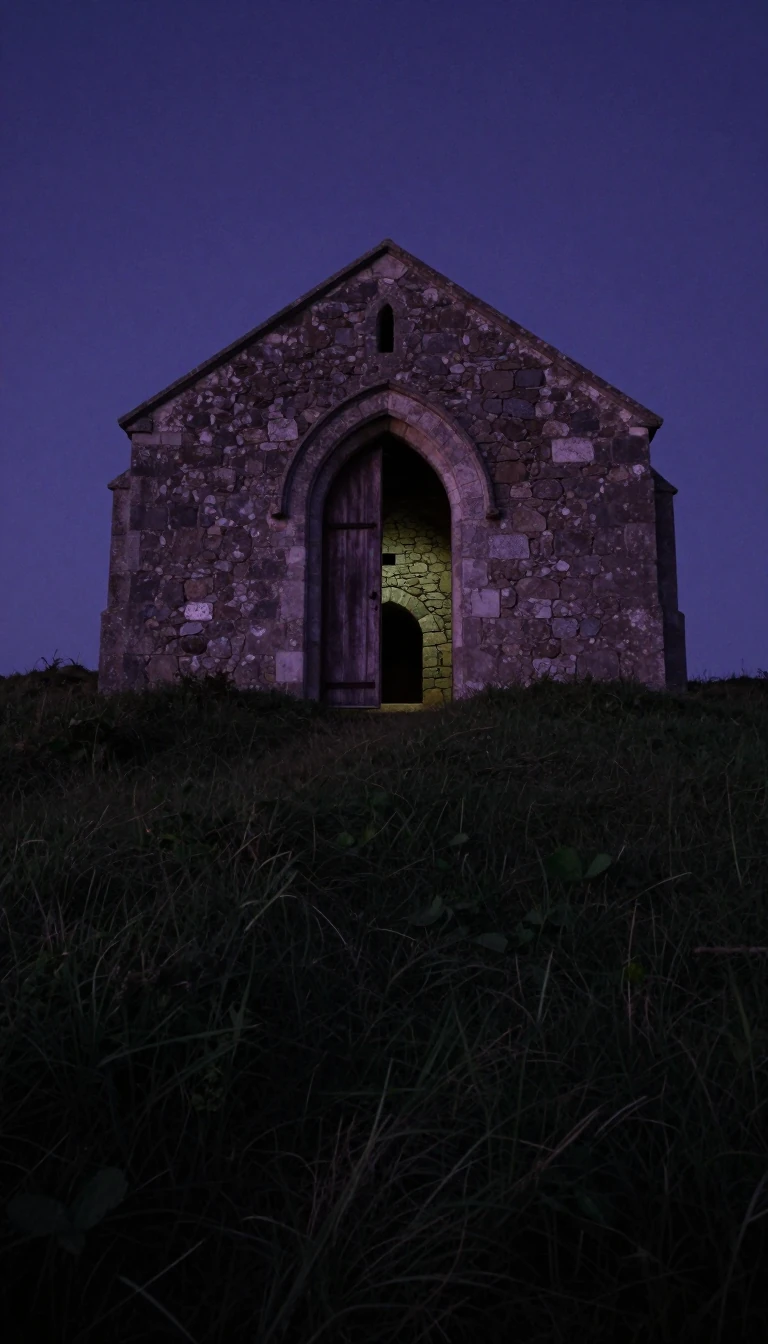
In short: Tucked away in the northern reaches of Romania, a collection of medieval churches defies architectural convention. Rather than relying on stone carvings or stained glass, these structures feature exterior walls entirely blanketed in intricate, vibrant frescoes. These painted wonders offer a rare, preserved glimpse into the religious artistry of the Moldavian Principality.
The Moldavian architectural style began to emerge in the 14th century, reflecting the distinct cultural and religious identity of the Principality of Moldavia. While the region is home to numerous historic religious buildings, a specific subset stands out for its extraordinary preservation and artistic ambition. These structures are not merely places of worship but serve as massive, open-air canvases that communicate complex theological narratives to the viewer.
Since 1993, UNESCO has recognized eight of these Romanian Orthodox churches in Suceava County as a World Heritage Site. These buildings, constructed between the late 15th century and the late 16th century, are celebrated for their authentic exterior fresco paintings. These murals are not random decorations; they represent complete, cohesive cycles of religious themes, designed to be read like a visual bible by those who visited them centuries ago. In 2010, the Church of the Resurrection at the Sucevița Monastery was officially added to this prestigious list, further highlighting the site's enduring significance.
The survival of these frescoes is a testament to the unique craftsmanship of the era. The paintings cover the entirety of the exterior walls, a feature that remains rare in global ecclesiastical architecture. Scholars have long studied these sites, such as in the 2006 work by E. Kocój, which explores how these temples and icons have shaped Romanian identity and imagology. Today, these monasteries remain a focal point for cultural and religious tourism, drawing visitors who wish to witness how medieval builders transformed stone into a vibrant, narrative-driven experience that has withstood the passage of time.
The importance of these sites extends beyond their aesthetic appeal. They provide a tangible connection to the history of the Moldavian region, offering insights into the intersection of faith, art, and regional politics during the Middle Ages. By maintaining these structures, Romania preserves a unique chapter of European history where the walls themselves became the primary medium for spiritual expression and communal education.
Opens the Intellect+ feed with this card first. Swipe up for the next one.
Sources
- Summary by Intellect · source: Churches of Moldavia
- Also: Wikidata — churches of Moldavia · CC0
To cite this card, link to https://intellectplus.co.uk/app/places-churches-of-moldavia.
How we source, check and correct cards: Editorial standards.
General information, not professional advice. Spotted an error? Flag the card or see corrections and complaints.
Intellect Plus is a visual educational discovery platform for exploring fascinating facts and ideas. Brain Food, Not Brain Rot. What is Intellect Plus?
Related
More in World Heritage Sites · More in Countries & Cities · Latest · A–Z · All topics
