How a German town became the epicenter of 20th-century modernist architecture
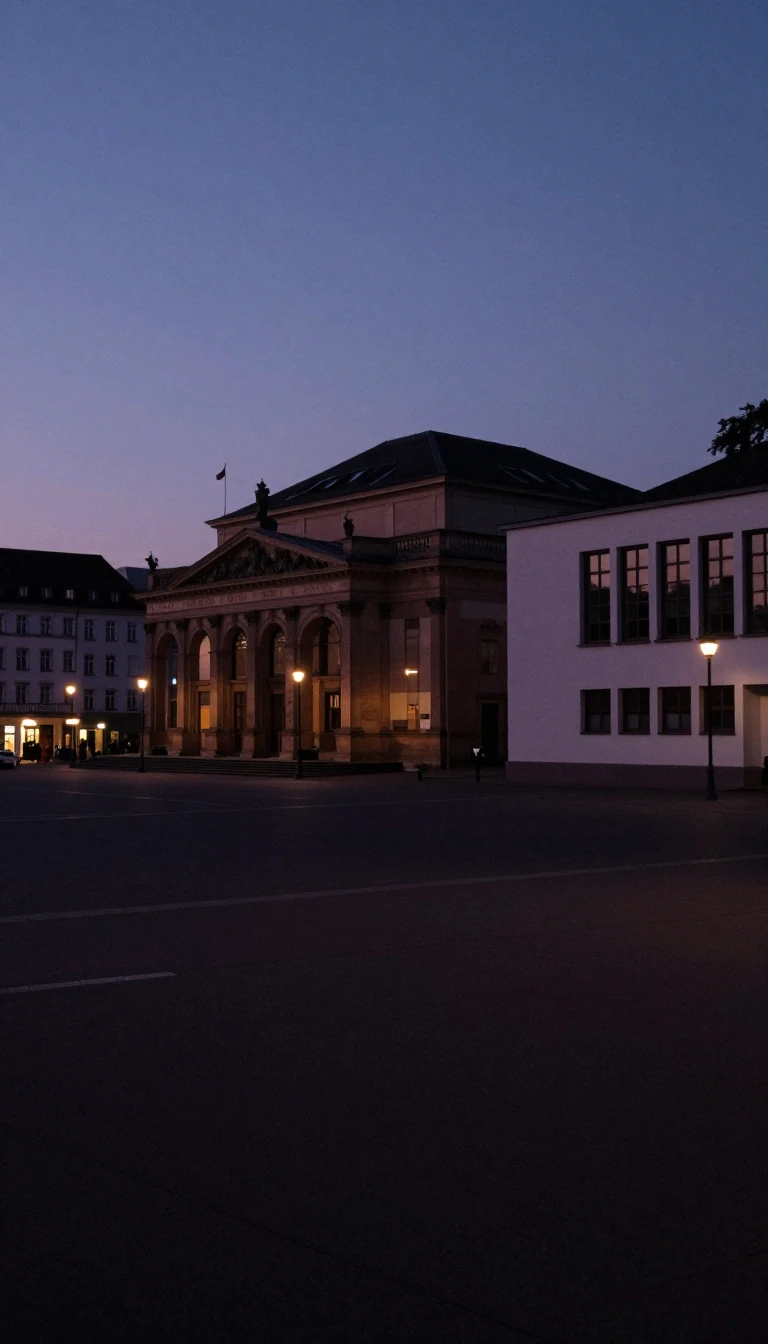
In short: Dessau is more than a historic capital; it is the crucible of the Bauhaus movement. After moving from Weimar in 1925, the school transformed the city into a modernist laboratory. Today, its iconic structures remain protected as World Heritage sites, standing alongside centuries of Enlightenment-era landscape design.
First mentioned in 1213, Dessau evolved from a medieval settlement into the capital of the Principality of Anhalt in 1570. Its political significance grew as it became the seat of the Duchy of Anhalt and later the Free State of Anhalt. However, the city’s global reputation was cemented in the 20th century when it became the second home of the Bauhaus school. Under the guidance of luminaries like Walter Gropius, Paul Klee, and Wassily Kandinsky, the city became a hub for radical design until political pressure from the Nazi-controlled city council forced the school’s closure in 1932.
The city’s architectural legacy is defined by a striking duality. It hosts the Garden Kingdom of Dessau-Wörlitz, an exceptional 18th-century landscape design project rooted in the Age of Enlightenment. This sits in contrast to the functionalist Bauhaus sites, including the iconic school building designed by Gropius, the Dessau-Törten Estate, and the innovative Steel House. These structures represent a pivotal shift in modernist theory, prioritizing industrial efficiency and geometric clarity over traditional ornamentation.
The physical landscape of Dessau has been shaped by both triumph and trauma. Allied air raids in March 1945 nearly leveled the city, leading to a post-war reconstruction dominated by GDR-era concrete slab architecture. Despite this, restoration efforts since German reunification in 1990 have revitalized its historic core. Today, the city serves as a living archive of German history, from the princely palaces of the Anhalt era to the industrial innovation of the Junkers factory and the enduring influence of the Bauhaus movement.
Opens the Intellect+ feed with this card first. Swipe up for the next one.
Sources
- Summary by Intellect · source: Dessau
- Also: Wikidata — Dessau · CC0
- Also: Wikidata — Dessau · CC0
To cite this card, link to https://intellectplus.co.uk/app/places-dessau.
How we source, check and correct cards: Editorial standards.
General information, not professional advice. Spotted an error? Flag the card or see corrections and complaints.
Intellect Plus is a visual educational discovery platform for exploring fascinating facts and ideas. Brain Food, Not Brain Rot. What is Intellect Plus?
Related
More in World Heritage Sites · More in Countries & Cities · Latest · A–Z · All topics
