How an 18th-century Duke brought an active volcano to the German countryside
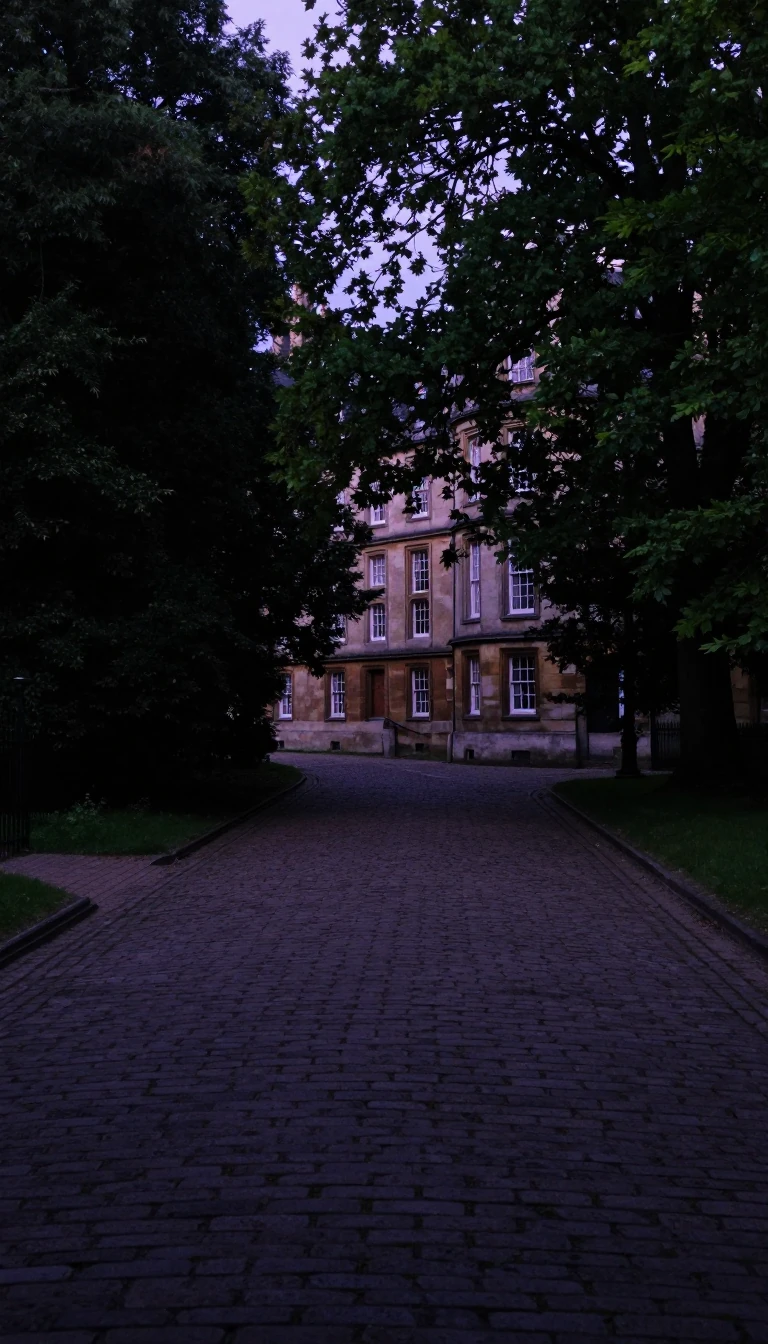
In short: Duke Leopold III of Anhalt-Dessau transformed his lands into an Enlightenment-era masterpiece, blending naturalistic gardens with architectural wonders. Among his most eccentric creations was a five-story artificial volcano, designed to replicate the smoldering Mount Vesuvius he encountered during his Grand Tour of Europe in the 1760s.
The Dessau-Wörlitz Garden Realm, a vast 142-square-kilometer cultural landscape in Saxony-Anhalt, Germany, stands as a testament to the ideals of the Age of Enlightenment. Initiated in the late 18th century by Duke Leopold III and his architect Friedrich Wilhelm von Erdmannsdorff, the project sought to move away from rigid Baroque formality toward a naturalistic aesthetic inspired by English landscape gardens. Designated a UNESCO World Heritage Site in 2000, the realm serves as an educational institution, integrating architecture, agriculture, and gardening into a cohesive, public-facing design.
Central to this vision was the Wörlitz park, developed between 1769 and 1773. It features the Wörlitz Palace, recognized as the first Neoclassical building in Germany, and a variety of structures reflecting diverse cultural influences. These include a synagogue modeled after the Temple of Vesta in Italy, a Neo-Gothic house inspired by Horace Walpole’s Strawberry Hill, and a Chinese-style garden at Oranienbaum. The landscape is also dotted with replicas of Roman temples, such as the Pantheon, and serves as a repository for significant art collections, including works by Albrecht Dürer and Lucas Cranach the Elder.
The realm’s most striking feature remains the artificial volcano on Wörlitz Lake. Inspired by Leopold’s 1760s travels to Naples, the structure was built with a brick interior and a hollow cone containing fireplaces, allowing for staged eruptions that could be viewed from the water. While the landscape has faced challenges—including fragmentation by modern infrastructure and structural deterioration noted by ICOMOS—it remains a unique synthesis of 18th-century philosophy, where the teachings of Jean-Jacques Rousseau on nature and education were physically manifested in the earth and stone of Central Germany.
Opens the Intellect+ feed with this card first. Swipe up for the next one.
Sources
- Summary by Intellect · source: Dessau-Wörlitz Garden Realm
- Also: Wikidata — Dessau-Wörlitz Garden Realm · CC0
To cite this card, link to https://intellectplus.co.uk/app/places-dessau-w-rlitz-garden-realm.
How we source, check and correct cards: Editorial standards.
General information, not professional advice. Spotted an error? Flag the card or see corrections and complaints.
Intellect Plus is a visual educational discovery platform for exploring fascinating facts and ideas. Brain Food, Not Brain Rot. What is Intellect Plus?
Related
More in World Heritage Sites · More in Countries & Cities · Latest · A–Z · All topics
